As a supplier of metal shear cutters, I often encounter questions from customers about the capabilities of our products. One of the most common inquiries is whether a metal shear cutter can cut hardened steel. This blog post aims to explore this question in depth, providing scientific explanations and practical insights based on my experience in the industry.
Understanding Hardened Steel
Before delving into whether a metal shear cutter can cut hardened steel, it's essential to understand what hardened steel is. Hardened steel is a type of steel that has undergone a heat treatment process to increase its hardness and strength. This process typically involves heating the steel to a specific temperature and then rapidly cooling it, a method known as quenching. After quenching, the steel may be tempered to reduce its brittleness and improve its toughness.
The hardness of steel is measured on the Rockwell scale, with higher numbers indicating greater hardness. Hardened steel can have a Rockwell hardness ranging from 40 to 60 HRC (Rockwell C scale), depending on the specific alloy and heat treatment process used. This high level of hardness makes hardened steel resistant to wear, deformation, and cutting.
How Metal Shear Cutters Work
Metal shear cutters are designed to cut through metal by applying a shearing force. The basic principle involves two blades moving past each other, similar to a pair of scissors. As the blades come together, they create a shearing action that severs the metal along a straight line.
There are different types of metal shear cutters, including manual, mechanical, and hydraulic models. Manual shear cutters are operated by hand and are suitable for cutting thin sheets of metal. Mechanical shear cutters use a motor to drive the blades and are capable of cutting thicker metals. Hydraulic shear cutters, on the other hand, use hydraulic pressure to generate a powerful shearing force, making them ideal for cutting heavy-duty metals.
Can a Metal Shear Cutter Cut Hardened Steel?
The answer to this question is not straightforward and depends on several factors, including the type of metal shear cutter, the hardness of the steel, and the thickness of the material.
Type of Metal Shear Cutter
- Manual Shear Cutters: Manual shear cutters are generally not suitable for cutting hardened steel. Their limited cutting force and blade strength make it difficult to penetrate the hard surface of the steel. Attempting to cut hardened steel with a manual shear cutter can result in dulled blades, damage to the tool, and an ineffective cut.
- Mechanical Shear Cutters: Mechanical shear cutters have more cutting power than manual models but may still struggle to cut hardened steel. The hardness of the steel can cause excessive wear on the blades, reducing their lifespan and cutting performance. In some cases, mechanical shear cutters may be able to cut thin sheets of hardened steel, but the quality of the cut may be poor.
- Hydraulic Shear Cutters: Hydraulic shear cutters are the most powerful type of metal shear cutters and are more likely to be able to cut hardened steel. The high hydraulic pressure generated by these machines allows for a stronger shearing force, which can overcome the hardness of the steel. However, even hydraulic shear cutters have their limitations. The thickness and hardness of the steel will determine whether a hydraulic shear cutter can make a clean and efficient cut.
Hardness of the Steel
The hardness of the steel is a crucial factor in determining whether a metal shear cutter can cut it. As mentioned earlier, hardened steel can have a Rockwell hardness ranging from 40 to 60 HRC. The higher the hardness, the more difficult it is to cut.
Most metal shear cutters are designed to cut steel with a hardness of up to 30 HRC. For steel with a hardness above 30 HRC, special blades made from high-speed steel (HSS) or carbide may be required. These blades are more resistant to wear and can withstand the high cutting forces needed to cut hardened steel.
Thickness of the Material
The thickness of the hardened steel also plays a significant role in the cutting process. Thicker materials require more cutting force to sever, and even a powerful hydraulic shear cutter may struggle to cut very thick hardened steel.
In general, metal shear cutters are more effective at cutting thin to medium-thick sheets of hardened steel. For thicker materials, other cutting methods such as plasma cutting or laser cutting may be more suitable.
Factors to Consider When Cutting Hardened Steel
If you need to cut hardened steel with a metal shear cutter, there are several factors to consider to ensure a successful cut:
- Blade Selection: Choose blades made from high-quality materials such as high-speed steel (HSS) or carbide. These blades are more durable and can withstand the high cutting forces required to cut hardened steel.
- Cutting Speed: Cutting hardened steel at a slow speed can help reduce the stress on the blades and prevent them from overheating. This can also improve the quality of the cut.
- Lubrication: Using a lubricant during the cutting process can help reduce friction and heat, which can extend the lifespan of the blades and improve the cutting performance.
- Maintenance: Regularly inspect and maintain your metal shear cutter to ensure that the blades are sharp and in good condition. Dull blades can make it more difficult to cut hardened steel and can cause damage to the tool.
Our Metal Shear Cutter Products
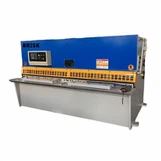
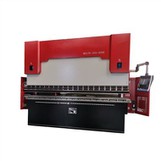
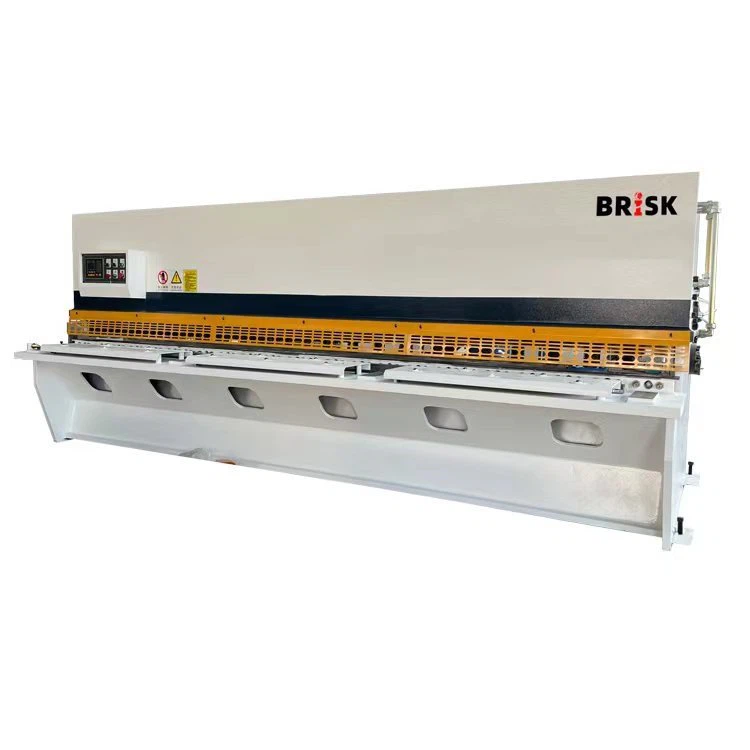
As a supplier of metal shear cutters, we offer a range of high-quality products that are suitable for cutting various types of metals, including hardened steel. Our Aluminum Shear Cutting Machine is designed for cutting aluminum and other non-ferrous metals, while our Hydraulic Guillotine Sheet Shearing Machine is ideal for cutting thin to medium-thick sheets of steel.
For heavy-duty cutting applications, we recommend our Automatic Hydraulic Swing Beam Shearing Machine. This machine uses advanced hydraulic technology to generate a powerful shearing force, making it capable of cutting thick and hardened steel with ease.

Conclusion
In conclusion, while it is possible for a metal shear cutter to cut hardened steel, it depends on several factors, including the type of metal shear cutter, the hardness of the steel, and the thickness of the material. Hydraulic shear cutters are generally the most suitable for cutting hardened steel, but even they have their limitations.
If you need to cut hardened steel, it's important to choose the right metal shear cutter and blades, and to follow the proper cutting techniques and maintenance procedures. Our company is committed to providing high-quality metal shear cutters and excellent customer service. If you have any questions or need assistance with your cutting needs, please feel free to contact us for a consultation. We look forward to helping you find the best solution for your metal cutting requirements.
References
- ASM Handbook Committee. (2000). ASM Handbook, Volume 4: Heat Treating. ASM International.
- Kalpakjian, S., & Schmid, S. R. (2014). Manufacturing Engineering and Technology (7th ed.). Pearson.
- Tooling U-SME. (n.d.). Metal Cutting Fundamentals. Retrieved from https://www.toolingu.com/courses/metal-cutting-fundamentals