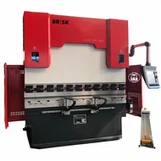
Can a metal shear cutter cut metal wires with different gauges?
As a reputable supplier of metal shear cutters, I'm often faced with this very question from clients and industry enthusiasts alike. The ability of a metal shear cutter to handle metal wires of different gauges is a crucial aspect that can significantly influence the efficiency and quality of various metal - working operations. In this blog, we'll explore the technicalities, limitations, and capabilities related to this topic.
Understanding Metal Wire Gauges
Before delving into whether a metal shear cutter can cut wires of different gauges, it's essential to understand what wire gauge means. The gauge of a metal wire is a measurement that indicates its thickness. In the United States, the American Wire Gauge (AWG) system is commonly used. In this system, the higher the gauge number, the thinner the wire. For example, a 20 - gauge wire is thinner than a 10 - gauge wire.
Different industries and applications call for wires of varying gauges. Electrical wiring often uses thinner wires, such as 18 - gauge or 22 - gauge, while heavy - duty industrial applications may require much thicker wires, like 4 - gauge or lower.
How Metal Shear Cutters Work
Metal shear cutters operate on the principle of shearing force. When two blades move against each other, they create a shearing action that cuts through the metal. The power source for these cutters can vary, from manual hand - lever operated models to more powerful hydraulic or electric ones.
The cutting ability of a metal shear cutter is primarily determined by its blade design, the force it can generate, and the quality of its construction. High - quality blades made from hardened steel can withstand the stresses of cutting and maintain their sharpness over time, ensuring clean and precise cuts.
Capability of Metal Shear Cutters with Different Gauges
Most modern metal shear cutters are designed to handle a range of wire gauges. However, there are limits to their capabilities.
Small - to - Medium Gauge Wires
For small - to - medium gauge wires (say, from 16 - gauge to 6 - gauge), many standard metal shear cutters can provide efficient cutting. Manual shear cutters, which are often used in light - duty applications such as electrical work or small - scale metal crafting, can easily handle these thinner wires. They are portable, easy to use, and relatively inexpensive.
On the other hand, electric or hydraulic shear cutters offer more power and can cut through these gauges with greater ease and speed. They are suitable for high - volume production environments where time is of the essence. For instance, in a wire manufacturing plant, an Automatic Hydraulic Swing Beam Shearing Machine can quickly and accurately cut multiple small - to - medium gauge wires.
Thick Gauge Wires
Cutting thick gauge wires (4 - gauge and lower) requires more powerful shear cutters. Hydraulic shear cutters are the go - to option in such cases. They can generate a large amount of force, which is necessary to overcome the high resistance of thick metal wires.
A Metal CNC Shear Cutter is an advanced type of hydraulic cutter that offers high precision and automation. It can be programmed to cut wires of specific lengths and gauges, making it ideal for large - scale industrial applications. These cutters are often used in the automotive, aerospace, and construction industries, where thick metal wires are used for structural and electrical components.
Factors Affecting Cutting Different Gauges
Several factors can affect a metal shear cutter's ability to cut wires of different gauges:
Blade Quality
As mentioned earlier, high - quality blades are essential for cutting different wire gauges effectively. Blades made from low - grade materials may dull quickly, especially when cutting thick wires. This can lead to uneven cuts, wire deformation, and increased wear and tear on the cutter.
Cutting Force
The cutting force of a shear cutter determines its maximum cutting capacity. As wire gauge increases, the required cutting force also increases. If a cutter does not have sufficient force, it may not be able to cut through the wire at all or may cause the wire to bend instead of being cut cleanly.
Cutter Design
The design of the cutter, including the shape of the blades and the way they interact, can impact its cutting performance. Some cutters are specifically designed to handle a wide range of wire gauges, while others may be optimized for a particular gauge or a narrow range of gauges.
Special Considerations for Different Metals
It's important to note that the type of metal also affects the cutting process. Different metals have different hardness, ductility, and tensile strength. For example, aluminum is a relatively soft metal compared to steel. An Aluminum Shear Cutting Machine is designed to cut aluminum wires and sheets efficiently. It may not be suitable for cutting high - strength steel wires, which require a more powerful cutter.


Conclusion
In conclusion, a metal shear cutter can cut metal wires with different gauges, but its ability depends on various factors such as the cutter's design, power, blade quality, and the type of metal. For most common applications, a well - designed shear cutter can handle a reasonable range of wire gauges. However, for extreme cases, such as very thick or very hard metal wires, specialized and more powerful cutters are required.
If you're in the market for a metal shear cutter that can meet your specific wire - cutting needs, whether it's for small - scale projects or large - scale industrial production, we're here to help. Our range of metal shear cutters is designed to offer high - performance, durability, and precision. Contact us to discuss your requirements and explore how our products can enhance your metal - working operations.
References
- ASM Handbook Committee: ASM Handbook, Volume 16: Machining, ASM International.
- Machinery's Handbook: A Reference Book for the Mechanical Engineer, Designer, Manufacturing Engineer, Draftsman, Toolmaker, and Machinist.