

Hey there! As a supplier of plate rollers, I often get asked if a plate roller can be used for tin plates. Well, the short answer is yes, but there's a lot more to it than that. In this blog post, I'm going to dive deep into the topic and give you all the details you need to know.
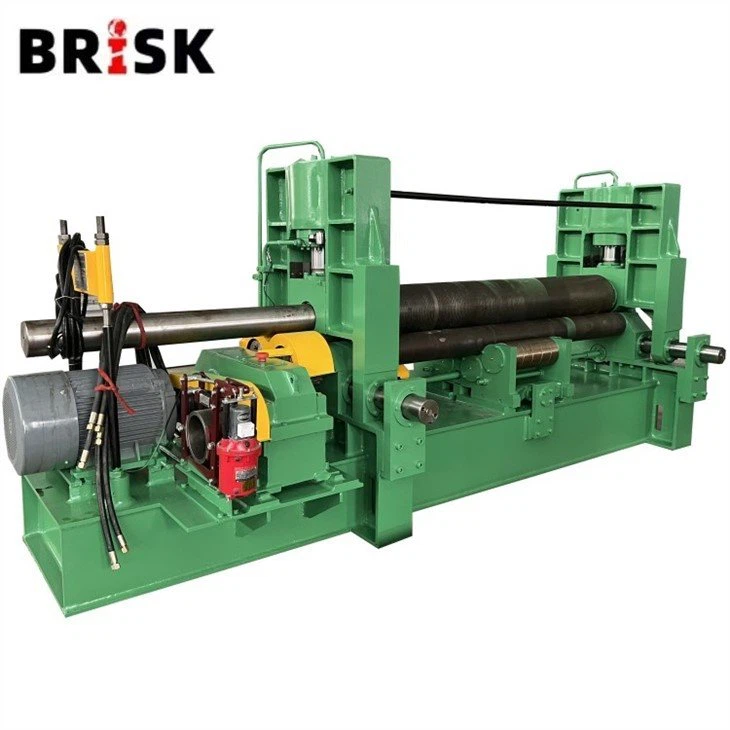
First off, let's talk about what a plate roller is. A plate roller, also known as a Metal Plate Rolling Bending Machine, is a machine used to bend metal plates into cylindrical or conical shapes. It works by passing the plate through a series of rollers that gradually bend it to the desired shape. Plate rollers come in different sizes and configurations, depending on the thickness and width of the plates they can handle.

Now, let's move on to tin plates. Tin plates are thin sheets of steel coated with a layer of tin. They are commonly used in the food packaging industry, as well as in the manufacturing of electronic components, automotive parts, and other products. Tin plates are known for their corrosion resistance, durability, and aesthetic appeal.
So, can a plate roller be used for tin plates? The answer is yes, but there are a few things you need to keep in mind. First, the thickness of the tin plate is an important factor. Plate rollers are designed to handle different thicknesses of metal plates, and you need to make sure that the plate roller you choose can handle the thickness of the tin plate you want to bend. If the plate is too thick, the roller may not be able to bend it properly, and if it's too thin, it may get damaged during the bending process.
Another important factor is the quality of the tin plate. Tin plates can vary in quality, and some may be more prone to cracking or tearing during the bending process. It's important to choose a high-quality tin plate that is suitable for bending. You may also need to adjust the settings of the plate roller to ensure that the bending process is smooth and efficient.
In addition to the thickness and quality of the tin plate, you also need to consider the type of plate roller you are using. There are two main types of plate rollers: three-roll and four-roll. Three-roll plate rollers are the most common type and are suitable for bending a wide range of metal plates, including tin plates. Four-roll plate rollers, on the other hand, are more advanced and can provide more precise bending results. They are often used for bending thicker and larger plates.
When using a plate roller to bend tin plates, it's important to follow the manufacturer's instructions carefully. This includes setting the correct roller pressure, speed, and alignment. You also need to make sure that the tin plate is properly positioned on the roller and that there are no wrinkles or creases in the plate. If the plate is not positioned correctly, it may not bend properly, and you may end up with a defective product.
In addition to following the manufacturer's instructions, you also need to take some safety precautions when using a plate roller. This includes wearing protective gear, such as gloves and safety glasses, and making sure that the machine is properly grounded. You also need to keep your hands and fingers away from the rollers at all times to avoid injury.
Now that you know that a plate roller can be used for tin plates, you may be wondering how to choose the right plate roller for your needs. There are several factors you need to consider, including the thickness and width of the tin plates you want to bend, the type of plate roller you need, and your budget.
If you are bending thin tin plates, a three-roll plate roller may be sufficient. However, if you are bending thicker or larger tin plates, you may need a four-roll plate roller. You also need to consider the capacity of the plate roller, which is measured in terms of the maximum thickness and width of the plates it can handle.
Another important factor to consider is the quality of the plate roller. You want to choose a plate roller that is made from high-quality materials and is built to last. Look for a plate roller that has a good reputation and is backed by a warranty.
Finally, you need to consider your budget. Plate rollers can vary in price, depending on their size, capacity, and features. You want to choose a plate roller that fits your budget but also meets your needs.
In conclusion, a plate roller can be used for tin plates, but there are a few things you need to keep in mind. You need to choose the right plate roller for your needs, follow the manufacturer's instructions carefully, and take some safety precautions. If you have any questions or need more information, please don't hesitate to contact us. We're here to help you find the right plate roller for your needs and ensure that you get the best results.
If you're interested in purchasing a plate roller for your tin plate bending needs, we'd love to have a chat with you. Our team of experts can provide you with all the information you need and help you choose the right machine for your specific requirements. Whether you're a small business or a large industrial operation, we have the right solution for you. So, get in touch with us today to start the conversation about your plate roller purchase.
References
- General knowledge about plate rollers and metalworking processes.
- Industry standards and best practices for bending tin plates.


