

Can a plate roller bend aluminum plates? That's a question I get asked a lot as a plate roller supplier. And the short answer is yes, a plate roller can definitely bend aluminum plates. But there's a bit more to it than that, so let's dive in and explore this topic in more detail.
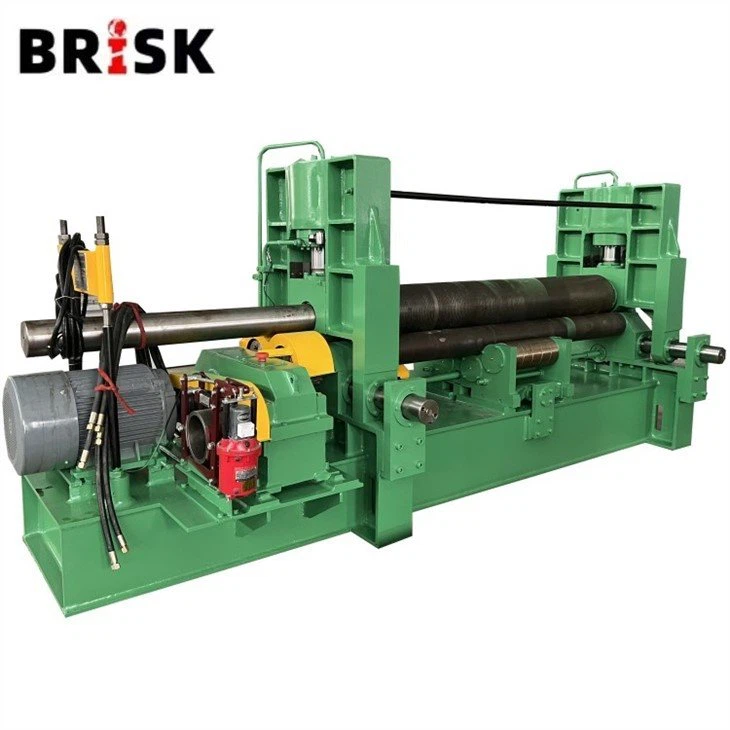
First off, let's talk about what a plate roller is. A plate roller, also known as a Metal Plate Rolling Bending Machine, is a piece of equipment used to bend metal plates into various shapes, such as cylinders, cones, and curves. It works by passing the metal plate through a set of rollers that apply pressure to gradually bend the plate to the desired shape.
Now, aluminum is a popular choice for many applications due to its lightweight, corrosion-resistant, and high-strength properties. It's used in industries like aerospace, automotive, construction, and manufacturing. So, it's no surprise that people often want to know if they can use a plate roller to bend aluminum plates.
The good news is that most modern plate rollers are designed to handle a wide range of metals, including aluminum. However, there are a few factors to consider when bending aluminum plates with a plate roller.
Material Thickness and Hardness
One of the most important factors is the thickness and hardness of the aluminum plate. Aluminum comes in different alloys and tempers, which can affect its bendability. Thicker plates and harder alloys will generally require more force to bend. So, you need to make sure your plate roller has enough power and capacity to handle the specific aluminum plate you're working with.
For example, if you're bending a thin sheet of soft aluminum alloy, a smaller plate roller with lower power might be sufficient. But if you're dealing with a thick plate of a high-strength aluminum alloy, you'll need a more heavy-duty plate roller.

Roller Design and Surface Finish
The design and surface finish of the rollers on the plate roller also play a crucial role. The rollers should be properly shaped and have a smooth surface to prevent damage to the aluminum plate during the bending process. Rough or uneven roller surfaces can cause scratches, dents, or other defects on the aluminum, which can affect the quality of the final product.
Some plate rollers come with specially designed rollers for bending aluminum. These rollers may have a different profile or coating to reduce friction and ensure a smooth bending operation.
Bending Radius
Another factor to consider is the bending radius. Aluminum has a different minimum bending radius compared to other metals. The minimum bending radius is the smallest radius that the plate can be bent without cracking or breaking. It depends on the thickness and alloy of the aluminum plate.
When using a plate roller to bend aluminum, you need to make sure that the bending radius you're trying to achieve is within the acceptable range for the specific aluminum plate. If you try to bend the plate to a radius that's too small, it can lead to cracking or other forms of failure.
Lubrication
Lubrication is also important when bending aluminum plates. Applying a suitable lubricant to the rollers and the aluminum plate can reduce friction and heat generation during the bending process. This helps to prevent galling, scoring, and other surface damage to the aluminum.
There are different types of lubricants available for aluminum bending, such as oil-based lubricants or dry film lubricants. You should choose a lubricant that's compatible with the aluminum alloy and the plate roller.
Advantages of Using a Plate Roller for Bending Aluminum Plates
Now that we've covered the factors to consider, let's talk about the advantages of using a plate roller to bend aluminum plates.
- Precision: Plate rollers can provide high precision in bending aluminum plates. They allow you to control the bending radius, angle, and curvature accurately, which is essential for many applications.
- Efficiency: Bending aluminum plates with a plate roller is a relatively fast and efficient process. It can handle large volumes of plates in a short period of time, which is beneficial for mass production.
- Versatility: Plate rollers can be used to bend aluminum plates into various shapes and sizes. Whether you need to make cylinders, cones, or complex curves, a plate roller can do the job.
- Quality: Using a plate roller ensures a consistent and high-quality bend in the aluminum plates. This results in a better-looking and more functional final product.
Tips for Bending Aluminum Plates with a Plate Roller
Here are some tips to help you get the best results when bending aluminum plates with a plate roller:
- Prepare the Plate: Before bending, make sure the aluminum plate is clean and free of any debris or contaminants. This helps to prevent damage to the rollers and the plate during the bending process.
- Test Bend: If you're working with a new type of aluminum plate or a different bending radius, it's a good idea to do a test bend first. This allows you to adjust the settings on the plate roller and ensure that the bending process is working correctly.
- Monitor the Process: Keep an eye on the bending process to make sure everything is going smoothly. Check for any signs of cracking, wrinkling, or other defects on the aluminum plate. If you notice any issues, stop the process and make the necessary adjustments.
- Post-Bending Treatment: After bending, you may need to perform some post-bending treatments on the aluminum plate, such as annealing or stress relieving. This can help to improve the mechanical properties and reduce the risk of cracking or distortion.
In conclusion, a plate roller can definitely bend aluminum plates. But you need to take into account the factors we've discussed, such as material thickness and hardness, roller design, bending radius, and lubrication. By choosing the right plate roller and following the proper procedures, you can achieve high-quality bends in aluminum plates for a wide range of applications.
If you're interested in purchasing a plate roller for bending aluminum plates or have any questions about our products, feel free to reach out to us. We're here to help you find the best solution for your specific needs.
References
- Aluminum Association. (2023). Aluminum Design Manual.
- Machinery's Handbook, 31st Edition. Industrial Press.


