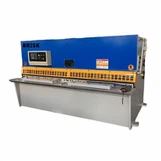
In the manufacturing industry, the ability to work with thin - gauge materials is a crucial consideration for many businesses. As a roll forming machine supplier, I often receive inquiries about whether our machines can handle thin - gauge materials effectively. In this blog, I will delve into this topic, exploring the capabilities, challenges, and advantages of using roll forming machines with thin - gauge materials.
Understanding Thin - Gauge Materials
Thin - gauge materials typically refer to metal sheets or strips with a relatively small thickness. The exact definition of thin - gauge can vary depending on the industry and the specific application, but generally, it includes materials with thicknesses ranging from a few thousandths of an inch to a few tenths of an inch. Common thin - gauge materials used in roll forming applications include steel, aluminum, stainless steel, and copper.
These materials are favored in various industries due to their lightweight, cost - effectiveness, and high formability. For example, in the automotive industry, thin - gauge steel is used to manufacture body panels, while in the construction industry, thin - gauge aluminum is used for roofing and siding.
Capabilities of Roll Forming Machines with Thin - Gauge Materials
Roll forming machines are highly versatile and can indeed work with thin - gauge materials. The basic principle of roll forming involves passing a continuous strip of metal through a series of paired rolls, each of which performs a small increment of bending until the desired cross - section is achieved. This process is well - suited for thin - gauge materials because it applies a gradual and uniform force, minimizing the risk of material damage.
One of the key advantages of using roll forming machines with thin - gauge materials is the ability to produce complex shapes with high precision. The rolls can be custom - designed to create a wide range of profiles, including channels, angles, tubes, and decorative shapes. This flexibility allows manufacturers to meet the diverse needs of their customers and produce unique products.
Another important capability is the high production speed. Roll forming is a continuous process, which means that large quantities of parts can be produced in a relatively short period of time. This is particularly beneficial for industries that require high - volume production, such as the consumer goods and construction industries.
Challenges of Working with Thin - Gauge Materials
While roll forming machines can work with thin - gauge materials, there are also some challenges that need to be addressed. One of the main challenges is the risk of material deformation. Thin - gauge materials are more prone to bending, wrinkling, and stretching during the roll forming process, especially if the machine is not properly calibrated or the material is not handled correctly.
To overcome this challenge, it is essential to use a roll forming machine that is specifically designed for thin - gauge materials. These machines typically have features such as adjustable roll pressure, precise speed control, and advanced guiding systems to ensure that the material is formed accurately and without damage.
Another challenge is the potential for surface scratches and marks. Thin - gauge materials have a relatively delicate surface, and any scratches or marks can affect the appearance and performance of the final product. To prevent this, it is important to use high - quality rolls with smooth surfaces and to apply appropriate lubrication during the roll forming process.
Advantages of Using Roll Forming Machines for Thin - Gauge Materials
Despite the challenges, there are several significant advantages to using roll forming machines for thin - gauge materials. One of the main advantages is the cost - effectiveness. Roll forming is a highly efficient process that requires minimal material waste. Since thin - gauge materials are often more expensive per unit weight, reducing waste can result in significant cost savings.
In addition, roll forming machines can produce parts with consistent quality. The automated nature of the process ensures that each part is formed to the same specifications, reducing the risk of human error and improving the overall quality of the final product. This is particularly important for industries that require strict quality control, such as the aerospace and medical industries.
Roll forming also offers design flexibility. As mentioned earlier, the rolls can be custom - designed to create a wide range of profiles, allowing manufacturers to produce unique and innovative products. This can give businesses a competitive edge in the market by offering products that are not available from their competitors.
Case Studies
To illustrate the effectiveness of roll forming machines with thin - gauge materials, let's look at a few case studies.
Case Study 1: Automotive Industry A major automotive manufacturer was looking for a cost - effective way to produce thin - gauge steel body panels. They turned to a roll forming machine supplier to develop a custom - designed roll forming line. The machine was able to produce complex panel shapes with high precision and at a high production speed. By using roll forming, the manufacturer was able to reduce material waste by 20% and improve the overall quality of the body panels.
Case Study 2: Construction Industry A construction company needed to produce thin - gauge aluminum roofing panels. They purchased a roll forming machine that was specifically designed for thin - gauge materials. The machine was able to produce the panels with a smooth surface finish and consistent dimensions. The high production speed of the roll forming machine allowed the company to meet the tight project deadlines and increase their profitability.
Conclusion
In conclusion, roll forming machines can indeed work with thin - gauge materials effectively. While there are some challenges associated with working with these materials, the advantages, such as cost - effectiveness, high precision, and design flexibility, make roll forming a viable option for many industries.
As a roll forming machine supplier, we have the expertise and experience to provide our customers with the right solutions for their thin - gauge material applications. Our machines are designed to handle the unique challenges of working with thin - gauge materials and to deliver high - quality products.
If you are interested in learning more about our roll forming machines and how they can work with thin - gauge materials, we encourage you to contact us for a consultation. Our team of experts will be happy to discuss your specific requirements and provide you with a customized solution.
References
- "Roll Forming Technology Handbook" by George Dieter
- "Metal Forming: Mechanics and Metallurgy" by Dieter and Semiatin
- Industry reports on roll forming applications in automotive and construction sectors