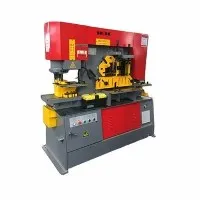
As a trusted supplier of 10ft sheet metal brakes, I understand the critical importance of proper alignment in ensuring the quality and precision of metal bending operations. Misaligned brakes can lead to a host of issues, including uneven bends, inaccurate angles, and even damage to the sheet metal itself. In this blog post, I'll share some practical steps and techniques for checking the alignment of a 10ft sheet metal brake, along with insights into why alignment matters and how it can impact your work.
Why Alignment is Crucial
Before diving into the alignment checking process, let's take a moment to understand why alignment is so important. A well - aligned sheet metal brake ensures that the bending process is consistent across the entire length of the 10ft sheet. This consistency is essential for producing high - quality parts that meet the required specifications. When the brake is misaligned, the bends may vary in angle or depth, which can cause problems during assembly or when the parts are used in a final product.
Moreover, proper alignment helps to prevent excessive wear and tear on the brake components. Misaligned forces can put additional stress on the blades, dies, and other moving parts, leading to premature failure and costly repairs. By regularly checking and maintaining the alignment of your 10ft sheet metal brake, you can extend its lifespan and keep your production running smoothly.
Tools Required
To check the alignment of a 10ft sheet metal brake, you'll need a few basic tools:
- Straightedge: A long, precision - made straightedge, preferably at least 10ft in length, is essential for checking the linear alignment of the brake's bed and clamping bar.
- Dial Indicator: This tool is used to measure small variations in alignment with high precision. It can be mounted on a magnetic base for easy positioning.
- Wrenches and Screwdrivers: Depending on the design of your brake, you may need these tools to make adjustments to the alignment.
Step - by - Step Alignment Check
1. Visual Inspection
Start by conducting a visual inspection of the brake. Look for any obvious signs of misalignment, such as gaps between the bed and the clamping bar, or uneven wear on the blades. Check the overall condition of the brake, including the frame, hinges, and moving parts. If you notice any damage or excessive wear, it may need to be addressed before proceeding with the alignment check.
2. Check the Bed Alignment
Place the straightedge along the length of the brake bed. Make sure it is in contact with the bed surface at all points. Look for any gaps between the straightedge and the bed. If there are gaps, it indicates that the bed is not straight. Use the dial indicator to measure the size of the gaps at different points along the bed. Record these measurements for reference.
If the bed is misaligned, you may need to adjust the leveling feet of the brake. Loosen the locking nuts on the feet and turn the adjustment screws to raise or lower the corresponding end of the brake. Re - check the alignment with the straightedge and dial indicator until the bed is within the acceptable tolerance.
3. Check the Clamping Bar Alignment
Next, check the alignment of the clamping bar. Close the clamping bar onto the straightedge and check for a uniform gap between the bar and the straightedge. Use the dial indicator to measure the gap at multiple points along the length of the bar. Any significant variations in the gap indicate misalignment.
To adjust the clamping bar alignment, you may need to loosen the mounting bolts and re - position the bar. Some brakes have adjustment screws that can be used to fine - tune the alignment. Make small adjustments and re - check the alignment until the gap is consistent across the entire length of the bar.
4. Check the Blade Alignment
The alignment of the bending blades is also crucial for accurate bends. Use the straightedge to check the parallelism of the blades with the bed and clamping bar. There should be a uniform gap between the blades and the other components. If the blades are misaligned, it can cause uneven bends and damage to the sheet metal.
To adjust the blade alignment, follow the manufacturer's instructions. This may involve loosening the blade mounting bolts and re - positioning the blades. Use the dial indicator to measure the alignment and make small adjustments as needed.
Additional Tips
- Regular Maintenance: Make alignment checks a part of your regular maintenance routine. Depending on the frequency of use, you should check the alignment at least once a month or more often if the brake is used in a high - volume production environment.
- Cleanliness: Keep the brake clean and free of debris. Dirt and metal shavings can accumulate on the bed, clamping bar, and blades, which can affect the alignment and the quality of the bends.
- Operator Training: Ensure that your operators are trained on the proper use and maintenance of the sheet metal brake. They should be aware of the importance of alignment and how to recognize signs of misalignment during operation.
Impact on Product Quality
Proper alignment of the 10ft sheet metal brake directly translates into better product quality. When the brake is aligned correctly, the bends are more accurate and consistent. This is especially important for applications where precision is critical, such as in the aerospace, automotive, and electronics industries.
Inaccurate bends can lead to parts that do not fit together properly, which can result in assembly issues and product failures. By maintaining the alignment of your brake, you can produce parts that meet the highest quality standards and reduce the number of rejects and rework.


Choosing the Right Sheet Metal Brake
If you're in the market for a new sheet metal brake, it's important to choose a high - quality machine that is designed for accuracy and reliability. At our company, we offer a range of sheet metal brakes, including the Manual Press Brake Bending Machine, Small Electric Press Brake Machine, and Heavy Duty Iron Sheet Bending Machine. These machines are built with precision components and advanced alignment features to ensure optimal performance.
Contact for Purchase and Consultation
If you have any questions about checking the alignment of a 10ft sheet metal brake or if you're interested in purchasing a new machine, we're here to help. Our team of experts can provide you with detailed information, technical support, and guidance on choosing the right brake for your specific needs. Contact us today to start a discussion about your sheet metal bending requirements.
References
- "Sheet Metal Fabrication Handbook" by George Boothroyd
- Manufacturer's manuals for sheet metal brakes