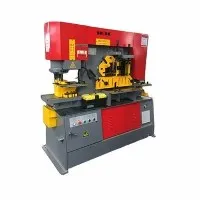
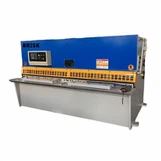
A hydraulic metal guillotine is a powerful and essential tool in the metalworking industry, designed to cut various types of metal sheets with precision and efficiency. As a leading supplier of Hydraulic Metal Guillotine Cutter, I am excited to share with you the inner workings of this remarkable machine.
Basic Components of a Hydraulic Metal Guillotine
Before delving into how a hydraulic metal guillotine works, it's important to understand its key components. The main parts of a hydraulic metal guillotine include the frame, blade, hydraulic system, back gauge, and control panel.
The frame is the structural backbone of the machine, providing stability and support during the cutting process. It is typically made of heavy - duty steel to withstand the high forces generated during cutting. The blade is the cutting element of the guillotine. It is usually made of high - carbon or high - speed steel and is designed to be extremely sharp. The quality and sharpness of the blade directly affect the cutting quality and efficiency.
The hydraulic system is the heart of the hydraulic metal guillotine. It consists of a hydraulic pump, hydraulic cylinders, valves, and hydraulic fluid. The hydraulic pump is responsible for generating the pressure needed to operate the machine. The hydraulic cylinders convert the hydraulic pressure into mechanical force, which is used to drive the blade downwards to cut the metal.
The back gauge is an adjustable device that determines the length of the metal sheet to be cut. It can be adjusted manually or automatically, depending on the type of guillotine. The control panel allows the operator to control various functions of the machine, such as blade speed, back - gauge position, and cutting length.
The Working Principle of a Hydraulic Metal Guillotine
The working process of a hydraulic metal guillotine can be divided into several steps:
- Loading the Metal Sheet: First, the operator places the metal sheet on the worktable of the guillotine. The back gauge is adjusted to the desired cutting length. This ensures that the metal sheet is positioned accurately for cutting.
- Activating the Hydraulic System: Once the metal sheet is properly placed, the operator activates the hydraulic system through the control panel. The hydraulic pump starts to work, drawing hydraulic fluid from the reservoir and pressurizing it.
- Blade Movement: The pressurized hydraulic fluid is then directed to the hydraulic cylinders. The hydraulic cylinders extend, applying a downward force on the blade. As the blade moves downwards, it comes into contact with the metal sheet and begins to cut through it. The cutting action is similar to that of a pair of scissors, where the sharp blade shears the metal along a straight line.
- Cutting Completion: Once the blade has fully passed through the metal sheet, the cutting process is completed. The hydraulic cylinders retract, lifting the blade back to its original position. The cut metal piece can then be removed from the worktable, and the next cutting operation can be prepared.
Advantages of Hydraulic Metal Guillotines
There are several advantages to using a hydraulic metal guillotine in the metalworking industry:
- High Cutting Force: Hydraulic systems can generate a large amount of force, allowing the guillotine to cut through thick and hard metal sheets with ease. This makes it suitable for a wide range of metalworking applications.
- Precision Cutting: The hydraulic system provides smooth and consistent blade movement, resulting in precise and accurate cuts. The back - gauge system also ensures that the cutting length is consistent for each piece.
- Efficiency: Hydraulic metal guillotines can operate at high speeds, enabling faster cutting cycles. This increases productivity and reduces production time.
- Safety: Modern hydraulic metal guillotines are equipped with various safety features, such as blade guards, emergency stop buttons, and light curtains. These features help to protect the operator from potential injuries.
Applications of Hydraulic Metal Guillotines
Hydraulic metal guillotines are widely used in various industries, including:


- Automotive Industry: In the automotive manufacturing process, hydraulic metal guillotines are used to cut metal sheets for car body parts, such as doors, hoods, and fenders.
- Aerospace Industry: The aerospace industry requires high - precision metal parts. Hydraulic metal guillotines are used to cut thin and thick metal sheets for aircraft components, such as wings and fuselages.
- Construction Industry: In construction, hydraulic metal guillotines are used to cut metal sheets for roofing, siding, and structural components.
Maintenance of Hydraulic Metal Guillotines
Proper maintenance is crucial to ensure the long - term performance and reliability of a hydraulic metal guillotine. Here are some maintenance tips:
- Regular Inspection: Inspect the machine regularly for any signs of wear and tear, such as loose bolts, leaks in the hydraulic system, and blade dullness. Replace any damaged or worn parts immediately.
- Hydraulic Fluid Maintenance: Check the hydraulic fluid level regularly and top it up if necessary. Replace the hydraulic fluid at the recommended intervals to ensure its proper performance.
- Blade Sharpening and Replacement: Keep the blade sharp by sharpening it regularly. When the blade is too worn to be sharpened, replace it with a new one.
- Lubrication: Lubricate all moving parts of the machine, such as the guide rails and bearings, to reduce friction and wear.
Conclusion
In conclusion, a hydraulic metal guillotine is a highly efficient and precise cutting tool in the metalworking industry. Its hydraulic system provides the power and control needed to cut through various metal sheets with ease. As a supplier of Guillotine Shearing Machine and Metal Punching and Shearing Machine, we understand the importance of these machines in your production process.
If you are in the market for a high - quality hydraulic metal guillotine or have any questions about our products, we encourage you to contact us for a detailed discussion. Our team of experts is ready to assist you in finding the most suitable solution for your metal - cutting needs.
References
- Smith, J. (2019). Metalworking Machinery Handbook. Industrial Press.
- Johnson, R. (2020). Hydraulic Systems in Manufacturing. McGraw - Hill.