Hey there! As a supplier of hydraulic shears, I've seen firsthand how crucial it is to have the blade clearance set just right. In this blog post, I'm gonna walk you through the process of adjusting the blade clearance of a hydraulic shear. Whether you're a newbie in the metal - working industry or a seasoned pro looking for a refresher, this guide is for you.
Why Blade Clearance Matters
Before we dive into the adjustment process, let's talk about why blade clearance is so important. The blade clearance refers to the gap between the upper and lower blades of the hydraulic shear. If the clearance is too large, the cut will be rough, and there may be burrs on the edges of the material. This can weaken the cut piece and make it less suitable for further processing. On the other hand, if the clearance is too small, it can put excessive stress on the blades, leading to premature wear and tear, and even blade breakage. So, getting the blade clearance right is essential for achieving clean, precise cuts and prolonging the lifespan of your blades.
Tools You'll Need
To adjust the blade clearance of a hydraulic shear, you'll need a few basic tools:
- Feeler Gauges: These are used to measure the gap between the blades accurately. You can find feeler gauges at most hardware stores.
- Wrenches: Depending on your hydraulic shear model, you may need a set of wrenches to loosen and tighten the bolts that hold the blades in place.
- Safety Gear: Always wear safety glasses and gloves when working on your hydraulic shear to protect yourself from any potential hazards.
Step - by - Step Guide to Adjusting Blade Clearance
Step 1: Prepare Your Hydraulic Shear
First things first, make sure your hydraulic shear is turned off and unplugged if it's an electric - powered model. This is a crucial safety step to prevent any accidental starts. Also, clean the blades to remove any debris or metal shavings that may affect the measurement.
Step 2: Determine the Ideal Clearance
The ideal blade clearance depends on several factors, such as the type of material you're cutting, the thickness of the material, and the hardness of the material. As a general rule of thumb, for mild steel, the blade clearance is usually around 5% - 7% of the material thickness. For example, if you're cutting a 10 - mm thick mild steel plate, the blade clearance should be between 0.5 mm and 0.7 mm. You can refer to the manufacturer's manual for more specific guidelines based on the materials you commonly work with.
Step 3: Measure the Existing Clearance
Use your feeler gauges to measure the gap between the upper and lower blades at several points along the length of the blades. Start at the center and then move towards the ends. This will give you an idea of how consistent the current clearance is. If the measurements vary significantly, it indicates that the blades may be misaligned.
Step 4: Loosen the Blade Mounting Bolts
Using the appropriate wrenches, carefully loosen the bolts that hold the upper or lower blade in place. Don't remove the bolts completely; just loosen them enough so that you can adjust the blade position.
Step 5: Adjust the Blade Clearance
Based on your measurements and the ideal clearance you determined earlier, use shims or adjustment screws (depending on your shear's design) to increase or decrease the gap between the blades. If the clearance is too large, you'll need to reduce it by adding shims or tightening the adjustment screws. If the clearance is too small, remove some shims or loosen the adjustment screws. Make small adjustments at a time and re - measure the clearance after each adjustment until you reach the desired value.

Step 6: Check for Alignment
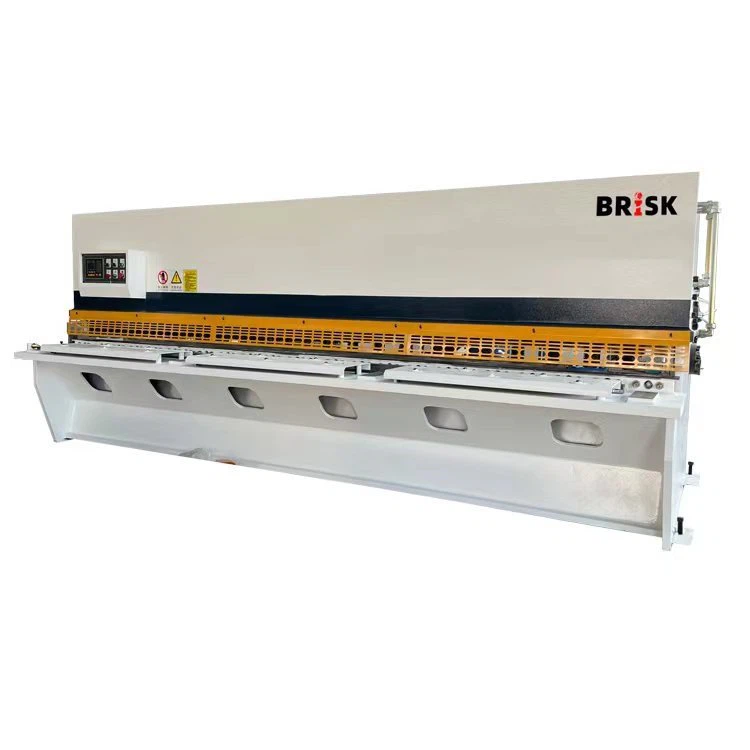
Once you've adjusted the blade clearance, it's important to check that the blades are properly aligned. You can do this by visually inspecting the blades or using a straightedge. If the blades are misaligned, it can cause uneven cutting and premature blade wear. Make any necessary adjustments to ensure that the blades are parallel and aligned correctly.
Step 7: Tighten the Blade Mounting Bolts
After you're satisfied with the blade clearance and alignment, carefully tighten the blade mounting bolts. Make sure to tighten them evenly to avoid any uneven stress on the blades.
Step 8: Test the Shear
Before you start using your hydraulic shear for production, it's a good idea to do a test cut on a scrap piece of material. Check the quality of the cut and the edges of the material. If the cut is clean and the edges are smooth, then your blade clearance adjustment was successful. If not, you may need to go back and make further adjustments.
Common Mistakes to Avoid
- Over - tightening the Bolts: Over - tightening the blade mounting bolts can cause the blades to warp or crack. Make sure to tighten the bolts to the recommended torque specified in the manufacturer's manual.
- Not Cleaning the Blades: Debris and metal shavings on the blades can affect the accuracy of your measurements and the quality of the cut. Always clean the blades before making any adjustments.
- Ignoring Manufacturer's Guidelines: Every hydraulic shear is different, and the manufacturer's manual provides specific instructions for adjusting the blade clearance. Make sure to follow these guidelines to ensure optimal performance and safety.
Related Hydraulic Shear Products
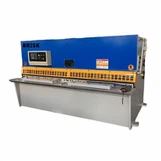
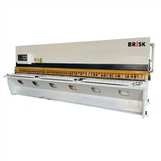
If you're in the market for a new hydraulic shear or looking to upgrade your existing one, we have a range of high - quality products to meet your needs. Check out our Aluminum Shear Cutting Machine, Hydraulic Guillotine Sheet Shearing Machine, and Metal CNC Shear Cutter. These machines are designed for precision cutting and are built to last.
Conclusion
Adjusting the blade clearance of a hydraulic shear is a relatively simple process, but it requires attention to detail and the right tools. By following the steps outlined in this guide and avoiding common mistakes, you can ensure that your hydraulic shear is operating at its best and producing clean, precise cuts. If you have any questions or need further assistance with blade clearance adjustment or any other aspect of your hydraulic shear, don't hesitate to contact us. We're here to help you make the most of your equipment. Whether you're a small - scale workshop or a large - scale manufacturing plant, we can provide you with the right solutions for your cutting needs. So, get in touch with us today to start a discussion about your procurement requirements.
References
- Hydraulic Shear Manufacturer's Manuals
- Metalworking Industry Standards and Best Practices