Hey there! As a supplier of sheet shearing machines, I often get asked about how to calculate the cutting time for a specific sheet size. It's a crucial question, especially for those looking to optimize their production processes and improve efficiency. In this blog post, I'll break down the steps to calculate cutting time and share some tips to make the process smoother.


Understanding the Basics of Sheet Shearing
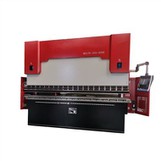
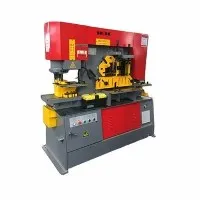
Before we dive into the calculations, let's quickly go over what a sheet shearing machine does. A sheet shearing machine is used to cut metal sheets into desired sizes and shapes. There are different types of sheet shearing machines available in the market, such as Aluminum Shear Cutting Machine, Benchtop Metal Shear Machine, and Hydraulic Guillotine Sheet Shearing Machine. Each type has its own unique features and capabilities, but the basic principle remains the same - to cut the sheet metal with precision.
Factors Affecting Cutting Time
Several factors can influence the cutting time of a sheet shearing machine. Here are some of the key ones:
- Sheet Thickness: Thicker sheets generally take longer to cut than thinner ones. This is because the machine needs to apply more force to cut through the thicker material.
- Sheet Width: The wider the sheet, the longer it will take to cut. This is because the cutting blade needs to travel a greater distance to complete the cut.
- Cutting Speed: The cutting speed of the machine is determined by its motor power and the design of the cutting mechanism. A higher cutting speed will result in a shorter cutting time.
- Material Type: Different materials have different hardness and ductility, which can affect the cutting time. For example, stainless steel is harder to cut than mild steel, so it will take longer to cut a stainless steel sheet.
- Machine Condition: The condition of the machine, including the sharpness of the cutting blade and the alignment of the cutting mechanism, can also affect the cutting time. A well-maintained machine will generally cut faster and more accurately than a poorly maintained one.
Calculating Cutting Time
Now that we understand the factors affecting cutting time, let's look at how to calculate it. The formula for calculating cutting time is:
Cutting Time (minutes) = (Sheet Width / Cutting Speed) + Setup Time
Let's break down this formula:
- Sheet Width: This is the width of the sheet that you want to cut. Measure it in millimeters or inches, depending on your preference.
- Cutting Speed: This is the speed at which the cutting blade moves across the sheet. It is usually measured in millimeters per minute (mm/min) or inches per minute (ipm). You can find the cutting speed of your machine in the manufacturer's specifications.
- Setup Time: This is the time it takes to set up the machine for the cutting operation, including loading the sheet, adjusting the cutting blade, and setting the cutting parameters. Setup time can vary depending on the complexity of the cutting job and the operator's experience.
Let's say you want to cut a sheet of mild steel that is 1000 mm wide using a hydraulic guillotine sheet shearing machine with a cutting speed of 200 mm/min. The setup time for this job is estimated to be 5 minutes. Using the formula above, we can calculate the cutting time as follows:
Cutting Time (minutes) = (1000 mm / 200 mm/min) + 5 minutes
Cutting Time (minutes) = 5 minutes + 5 minutes
Cutting Time (minutes) = 10 minutes
So, it will take approximately 10 minutes to cut the 1000 mm wide sheet of mild steel using this machine.
Tips to Reduce Cutting Time
Here are some tips to help you reduce the cutting time and improve the efficiency of your sheet shearing machine:
- Choose the Right Machine: Make sure you choose a machine that is suitable for the thickness and width of the sheets you need to cut. A machine that is too small or too large for the job will not be as efficient.
- Maintain the Machine: Regularly maintain your machine to ensure that it is in good working condition. This includes sharpening the cutting blade, lubricating the moving parts, and checking the alignment of the cutting mechanism.
- Optimize the Cutting Parameters: Adjust the cutting parameters, such as the cutting speed and the clearance between the cutting blades, to optimize the cutting process. This can help reduce the cutting time and improve the quality of the cut.
- Use the Right Cutting Blade: Choose a cutting blade that is suitable for the material you are cutting. Different materials require different types of cutting blades, so make sure you use the right one.
- Train the Operators: Make sure your operators are properly trained to use the sheet shearing machine. This includes understanding the machine's operation, safety procedures, and how to optimize the cutting process.
Conclusion
Calculating the cutting time for a specific sheet size in a sheet shearing machine is an important step in optimizing your production processes and improving efficiency. By understanding the factors affecting cutting time and using the right formula, you can accurately estimate the cutting time and plan your production schedule accordingly. Remember to choose the right machine, maintain it properly, optimize the cutting parameters, use the right cutting blade, and train your operators to get the best results.
If you're in the market for a sheet shearing machine or have any questions about calculating cutting time, feel free to reach out to us. We're here to help you find the right solution for your needs and ensure that you get the most out of your investment.
References
- "Sheet Metal Fabrication Handbook" by Peter Ulintz
- "Machining Fundamentals" by George Boothroyd and Winston Knight