

As a supplier of CNC shearing machines, I often get asked about how to check the hydraulic system of a hydraulic CNC shearing machine. It's a crucial part of these machines, and proper checks can ensure they run smoothly and effectively. In this blog post, I'm gonna share some tips on how to carry out these checks.
Why Check the Hydraulic System?
The hydraulic system in a hydraulic CNC shearing machine is like the heart of the machine. It provides the power needed to make precise cuts in metal sheets. If there are issues with the hydraulic system, it can lead to problems like inaccurate cuts, slow operation, or even complete breakdowns. By regularly checking the hydraulic system, you can catch potential problems early and avoid costly repairs and downtime.
Visual Inspection
The first step in checking the hydraulic system is a visual inspection. This is a simple yet important process that can reveal a lot about the system's condition.
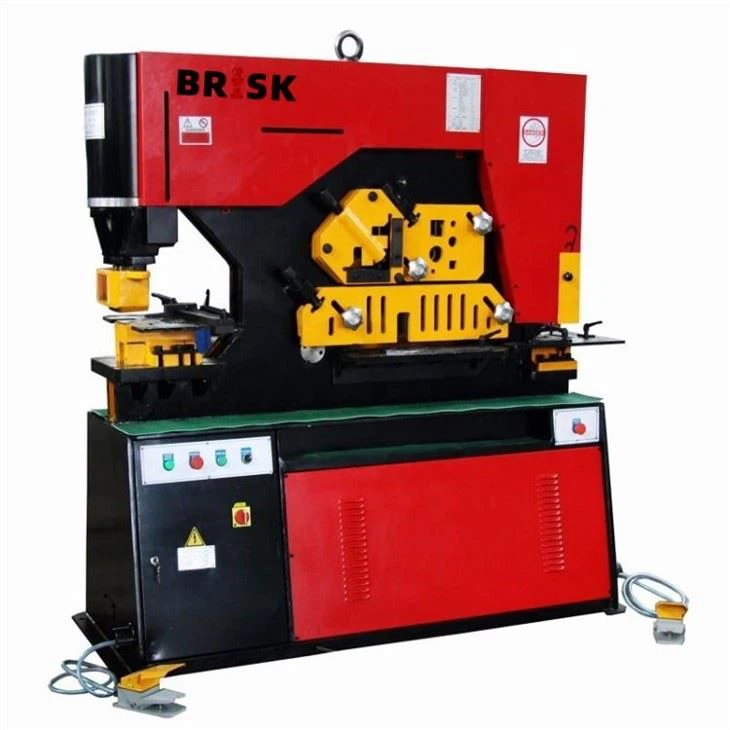
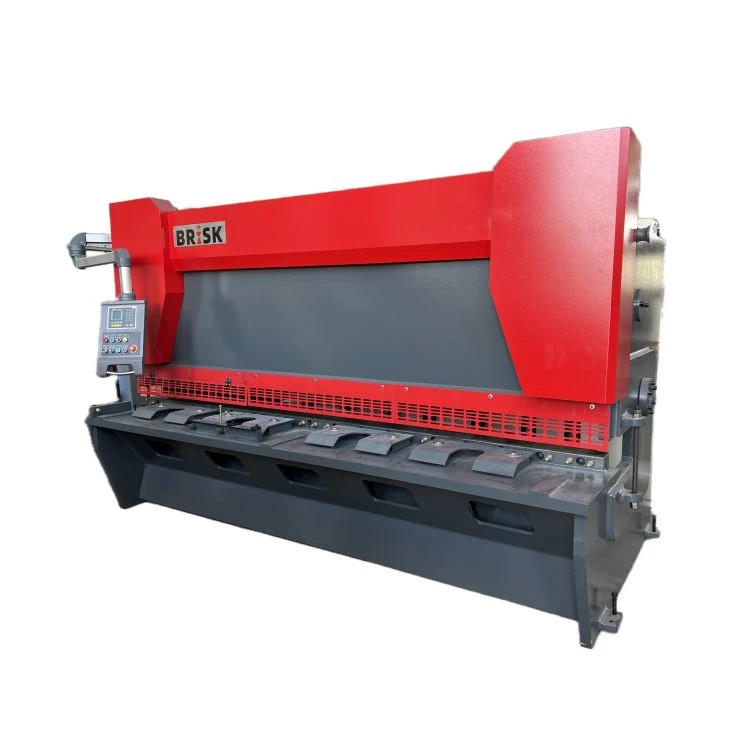
- Fluid Level: Start by checking the hydraulic fluid level in the reservoir. The fluid level should be within the recommended range marked on the reservoir. If it's too low, it could mean there's a leak in the system. You can add more fluid if needed, but make sure to use the type recommended by the machine's manufacturer.
- Fluid Condition: Take a look at the hydraulic fluid. It should be clean and clear. If it looks cloudy, dirty, or has a strange odor, it might be contaminated. Contaminated fluid can cause damage to the hydraulic components, so it's important to change it as soon as possible.
- Hoses and Fittings: Inspect all the hoses and fittings in the hydraulic system. Look for any signs of leaks, such as wet spots or drips. Also, check for any cracks, abrasions, or loose connections. Damaged hoses or fittings can lead to fluid loss and reduced system performance.
Pressure Checks
Pressure is a key factor in the operation of the hydraulic system. You can use a pressure gauge to check the pressure at different points in the system.
- Operating Pressure: Check the operating pressure of the hydraulic system. This information can usually be found in the machine's manual. Compare the actual pressure reading with the recommended value. If the pressure is too high or too low, it could indicate a problem with the pump, relief valve, or other components.
- Pressure Fluctuations: While checking the pressure, also look for any fluctuations. Steady pressure is a sign of a healthy system. If you notice sudden drops or spikes in pressure, it could be a sign of a problem, such as a clogged filter or a malfunctioning valve.
Temperature Checks
The temperature of the hydraulic fluid can also tell you a lot about the system's condition.
- Normal Operating Temperature: The hydraulic fluid should operate within a certain temperature range. Check the machine's manual to find out the recommended temperature. If the fluid is too hot, it can cause the viscosity to decrease, leading to reduced lubrication and increased wear on the components.
- Thermal Imaging: You can use a thermal imaging camera to detect any hot spots in the hydraulic system. Hot spots can indicate areas of high friction or restricted flow, which could be a sign of a problem.
Component Checks
In addition to the overall system checks, it's also important to check the individual components of the hydraulic system.
- Pump: The pump is responsible for circulating the hydraulic fluid. Check the pump for any signs of noise, vibration, or leaks. If you notice any unusual sounds or vibrations, it could be a sign of a problem with the pump.
- Valves: There are several valves in the hydraulic system, including the relief valve, control valve, and check valve. Check the valves for proper operation. Make sure they open and close smoothly and that they are not leaking.
- Filters: The filters in the hydraulic system are designed to remove contaminants from the fluid. Check the filters regularly and replace them as needed. A clogged filter can restrict the flow of fluid and cause problems in the system.
Maintenance and Record-Keeping
Regular maintenance is essential for the proper functioning of the hydraulic system. Make sure to follow the manufacturer's recommended maintenance schedule. This includes changing the hydraulic fluid, replacing the filters, and lubricating the components.
It's also a good idea to keep a record of all the checks and maintenance activities. This can help you track the history of the system and identify any recurring problems.
Conclusion
Checking the hydraulic system of a hydraulic CNC shearing machine is an important part of machine maintenance. By following these steps, you can ensure that your machine operates smoothly and efficiently. If you have any questions or need further assistance, don't hesitate to contact us. We're here to help you keep your Industrial CNC Hydraulic Shearing Machine, Sheet Metal Guillotine Shearing Machine, or Metal Punching and Shearing Machine in top condition.
If you're in the market for a new CNC shearing machine or need to replace some parts, feel free to reach out to us. We have a wide range of high-quality machines and parts available, and our team of experts can help you find the right solution for your needs.
References
- Manufacturer's manual for hydraulic CNC shearing machines
- Industry standards and best practices for hydraulic system maintenance


