Hey there! As a supplier of hydraulic guillotines, I get asked a lot about how to ensure the flatness of the cut. It's a crucial aspect, especially when you're dealing with precision work and high - quality end products. So, let's dive right into it.
Machine Setup and Calibration
First things first, proper machine setup is key. You gotta make sure your hydraulic guillotine is installed on a level surface. An uneven floor can throw off the whole operation and lead to an unflat cut. I know it sounds basic, but I've seen so many cases where a simple lack of leveling caused major issues.
Once it's on a flat surface, calibration is the next big step. This involves checking and adjusting the blade clearance. If the blade clearance is too wide, the material will deform around the cut, resulting in a wavy or uneven edge. On the other hand, if it's too narrow, the blades can get damaged, and you'll still end up with a poor - quality cut.
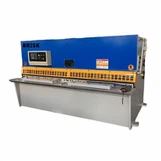
Most modern hydraulic guillotines, like the ones you can find on our Industrial CNC Hydraulic Shearing Machine page, come with easy - to - use calibration systems. You can fine - tune the blade clearance according to the thickness and type of material you're cutting. For thin sheets, you'll typically need a smaller clearance, while for thicker materials, a wider one is required. Make sure to refer to the machine's manual for the specific calibration steps and recommended clearances for different materials.
Blade Selection and Maintenance
The quality of your blades has a huge impact on the flatness of the cut. You need to choose the right blades for the job. Different materials require different blade types. For example, if you're cutting soft metals like aluminum, a blade with a finer edge will work well. But for harder metals like stainless steel, you'll need a more robust and durable blade.
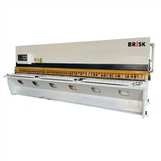
We offer a range of blades for our Sheet Metal Guillotine Shearing Machine that are designed to handle various materials. Regular blade maintenance is also essential. Blades can dull over time, and a dull blade will cause the material to tear rather than cut cleanly, resulting in an uneven edge.
You should sharpen the blades at regular intervals. How often you do this depends on how frequently you use the machine and the type of material you're cutting. If you're cutting tough materials all day long, you'll need to sharpen the blades more often. Some signs that your blades need sharpening are rough edges on the cut pieces, increased burr formation, and the machine having to work harder to make the cut.
Material Handling
Proper material handling plays a significant role in achieving a flat cut. Before cutting, you need to make sure the material is clean and free from any debris. Even a small piece of dirt or metal shavings can cause the material to shift during the cutting process, leading to an uneven cut.
When loading the material onto the machine, it should be aligned properly. Most hydraulic guillotines have guides or stops to help you with this. Make sure the material is firmly held in place during the cutting process. If it moves around, it's almost impossible to get a flat cut. You can use clamps or other holding devices to secure the material.
Also, consider the grain direction of the material, especially if it's a sheet metal. Cutting against the grain can sometimes result in a less - than - perfect cut. Try to align the cut with the grain direction for a smoother and flatter result.
Operator Skill and Training
Let's not forget about the human factor. An experienced and well - trained operator can make a huge difference. They know how to set up the machine correctly, handle the material properly, and make adjustments on the fly if something goes wrong.
We provide training for our customers who purchase our Guillotine Shearing Machine. Our training programs cover everything from basic machine operation to advanced troubleshooting. An operator who understands the machine inside out is more likely to produce flat and precise cuts.
During the cutting process, the operator should pay close attention to the machine's performance. They should be able to detect any signs of a problem, such as unusual noises or vibrations, and take appropriate action. For example, if they notice that the cut is starting to get uneven, they can stop the machine and check the blade clearance or the material alignment.


Quality Control Checks
Even with all the proper setup and handling, it's still a good idea to perform quality control checks. After each cut, take a close look at the cut edge. You can use a straight - edge or a caliper to measure the flatness. If you notice any deviations, you need to figure out what went wrong and make the necessary adjustments.
Keep records of your quality control checks. This can help you identify patterns and determine if there are any recurring issues with the machine or the cutting process. If you consistently have problems with a particular type of material or at a certain blade setting, you can use the records to find a solution.
Environmental Factors
The environment in which the hydraulic guillotine is operating can also affect the cut flatness. Temperature and humidity can cause the material to expand or contract, which can lead to uneven cuts. If possible, try to keep the operating environment at a stable temperature and humidity level.
Dust and debris in the air can also get into the machine and affect its performance. Make sure the work area is clean and well - ventilated. You can use dust collectors or air filters to keep the air clean.
In conclusion, ensuring the flatness of the cut with a hydraulic guillotine involves a combination of proper machine setup, blade selection and maintenance, material handling, operator skill, quality control, and considering environmental factors. It's a holistic approach that requires attention to detail at every step.
If you're in the market for a high - quality hydraulic guillotine or need more information on ensuring flat cuts, don't hesitate to reach out. We're here to help you make the most of your cutting operations and get the best results. Whether you're a small workshop or a large industrial facility, we have the right solutions for you. Contact us to start a discussion about your specific needs and how our products can meet them.
References
- Manufacturer's manuals for hydraulic guillotine machines
- Industry best practices for metal cutting and shearing
- Technical papers on precision cutting with hydraulic guillotines