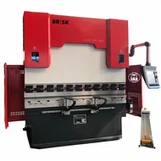
Hey there! As a supplier of hydraulic guillotines, I've seen firsthand how crucial it is to maintain these machines properly. A well - maintained hydraulic guillotine not only performs better but also has a longer lifespan, saving you both time and money in the long run. So, let's dive into how you can keep your hydraulic guillotine in top - notch condition.
Regular Cleaning
First off, cleaning is a no - brainer. Dust, debris, and metal shavings can accumulate on the machine over time. These particles can get into the moving parts, causing wear and tear. Use a clean, dry cloth to wipe down the exterior of the machine after each use. Pay special attention to areas around the blades and the hydraulic cylinders.
For the internal parts, you can use compressed air to blow out any loose debris. Just make sure you're using the right pressure so you don't damage any sensitive components. If there are stubborn stains or grease, you can use a mild cleaning agent. But be careful not to get any of the cleaning solution into the electrical parts.
Blade Maintenance
The blades are the heart of the hydraulic guillotine. Keeping them sharp is essential for a clean and precise cut. Dull blades can cause uneven cuts, increase the stress on the machine, and even damage the material you're cutting.
You should check the blades regularly for signs of wear. If you notice any nicks or chips, it's time to either sharpen or replace them. Sharpening the blades yourself can be a bit tricky, so I'd recommend getting it done by a professional.
Also, make sure the blades are properly aligned. Misaligned blades can lead to poor cutting performance and can even cause the machine to malfunction. You can use a blade alignment tool to check and adjust the alignment as needed.
Hydraulic System Care
The hydraulic system is what powers the guillotine, so it's super important to take good care of it. Start by checking the hydraulic fluid level regularly. Low fluid levels can cause the system to overheat and can lead to damage to the hydraulic pump.
The hydraulic fluid should be clean. Over time, the fluid can get contaminated with dirt, metal particles, and moisture. You can use a fluid filter to remove these contaminants. And it's a good idea to change the hydraulic fluid according to the manufacturer's recommendations.
Inspect the hydraulic hoses for any signs of damage, like cracks or leaks. A damaged hose can cause a loss of pressure in the system, which can affect the performance of the guillotine. If you find any damaged hoses, replace them immediately.
Lubrication
Proper lubrication is key to keeping the moving parts of the guillotine working smoothly. Lubricate all the moving parts, such as the bearings, shafts, and slides, on a regular basis. Use the type of lubricant recommended by the manufacturer.
Too much lubrication can attract dirt and debris, while too little can cause friction and wear. So, make sure you're applying the right amount. You can use a grease gun to apply lubricant to the bearings and other hard - to - reach areas.
Electrical System Checks
The electrical system of the hydraulic guillotine controls its operation. Check the electrical connections regularly to make sure they're tight and free of corrosion. Loose connections can cause electrical malfunctions, which can be dangerous.
Inspect the electrical cables for any signs of damage. If you notice any frayed or damaged cables, replace them right away. Also, make sure the machine is properly grounded to prevent electrical shocks.
Operator Training
Having well - trained operators is an important part of maintaining a hydraulic guillotine. Operators should know how to use the machine correctly and should follow all the safety procedures.
Provide regular training to your operators on how to perform basic maintenance tasks, like cleaning and lubrication. They should also be able to recognize the signs of a problem, such as unusual noises or vibrations, and know when to stop the machine and call for help.
Scheduled Inspections
In addition to the daily and weekly maintenance tasks, it's a good idea to schedule regular inspections by a professional technician. A technician can perform a more in - depth inspection of the machine, including checking the internal components that are not easily accessible.
During these inspections, the technician can identify any potential problems before they become major issues. They can also perform any necessary adjustments or repairs to keep the machine running smoothly.


Storage
If you're not going to use the hydraulic guillotine for an extended period, proper storage is crucial. Clean the machine thoroughly before storing it. Remove any excess lubricant and cover the machine with a protective cover to prevent dust and moisture from getting in.
Store the machine in a dry, cool place. Avoid storing it in areas where it can be exposed to extreme temperatures or humidity, as this can cause damage to the machine's components.
Troubleshooting
Even with proper maintenance, you might run into some problems with your hydraulic guillotine. Here are some common issues and how to troubleshoot them:
- Poor cutting performance: This could be due to dull blades, misaligned blades, or a problem with the hydraulic system. Check the blades first and sharpen or replace them if necessary. Then, check the blade alignment and the hydraulic fluid level.
- Leaking hydraulic fluid: Look for damaged hoses or seals. Replace any damaged parts immediately.
- Unusual noises or vibrations: This could indicate a problem with the moving parts, such as loose bearings or a worn - out belt. Inspect the moving parts and tighten or replace any loose or damaged components.
In conclusion, maintaining a hydraulic guillotine requires a combination of regular cleaning, proper blade maintenance, hydraulic system care, lubrication, electrical system checks, operator training, scheduled inspections, and proper storage. By following these tips, you can ensure that your hydraulic guillotine performs at its best and lasts for a long time.
If you're in the market for a new hydraulic guillotine or need replacement parts for your existing machine, we've got you covered. We offer a wide range of high - quality Sheet Metal Guillotine Shearing Machine, Metal Punching and Shearing Machine, and Guillotine Shearing Machine. Contact us to start a procurement discussion and find the perfect solution for your needs.
References
- Manufacturer's manuals for hydraulic guillotines
- Industry best practices for machine maintenance