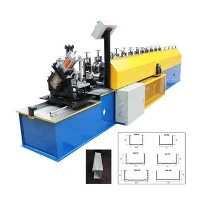
Hey there! As a supplier of hydraulic shears, I often get asked about how to set the cutting parameters of a hydraulic shear. It's a crucial aspect that can significantly impact the quality of the cut and the overall efficiency of the machine. So, let's dive right in and explore this topic in detail.
Understanding the Basics of Hydraulic Shears
Before we start talking about setting the cutting parameters, it's important to have a basic understanding of how hydraulic shears work. Hydraulic shears use hydraulic power to generate the force needed to cut through various materials, such as metal sheets, plates, and bars. They are widely used in industries like manufacturing, metalworking, and construction.
We offer a range of hydraulic shears, including the Aluminum Shear Cutting Machine, Automatic Hydraulic Swing Beam Shearing Machine, and Hydraulic Guillotine Sheet Shearing Machine. Each of these machines has its own unique features and capabilities, but the basic principles of setting the cutting parameters remain the same.
Factors to Consider When Setting Cutting Parameters
There are several factors that you need to consider when setting the cutting parameters of a hydraulic shear. These factors include the material type, thickness, and hardness, as well as the desired cut quality and production requirements. Let's take a closer look at each of these factors.
Material Type
Different materials have different properties, which can affect the cutting process. For example, softer materials like aluminum are easier to cut than harder materials like steel. When setting the cutting parameters, you need to consider the material type and adjust the settings accordingly.
Material Thickness
The thickness of the material also plays a crucial role in determining the cutting parameters. Thicker materials require more force to cut, so you may need to increase the cutting pressure and adjust the blade clearance accordingly.
Material Hardness
Harder materials require more force to cut and may also cause more wear and tear on the blades. When cutting hard materials, you may need to use a higher cutting speed and adjust the blade clearance to prevent the blades from dulling too quickly.
Desired Cut Quality
The desired cut quality is another important factor to consider when setting the cutting parameters. If you need a clean, precise cut, you may need to adjust the cutting speed, blade clearance, and other settings to achieve the desired results.
Production Requirements
Finally, you need to consider the production requirements when setting the cutting parameters. If you need to cut a large number of parts quickly, you may need to increase the cutting speed and adjust the settings to optimize the production process.
How to Set the Cutting Parameters
Now that we've discussed the factors to consider when setting the cutting parameters, let's take a look at how to actually set them. Here are the steps you need to follow:


Step 1: Select the Right Blade
The first step in setting the cutting parameters is to select the right blade for the material you're cutting. Different blades are designed for different materials and cutting applications, so it's important to choose the right one.
Step 2: Adjust the Blade Clearance
The blade clearance is the distance between the upper and lower blades. It's important to adjust the blade clearance correctly to ensure a clean, precise cut. If the blade clearance is too large, the material may not be cut cleanly, and if it's too small, the blades may wear out quickly.
Step 3: Set the Cutting Speed
The cutting speed is the speed at which the blade moves through the material. It's important to set the cutting speed correctly to ensure a clean, precise cut and to prevent the blades from overheating.
Step 4: Adjust the Cutting Pressure
The cutting pressure is the force applied to the material by the blade. It's important to adjust the cutting pressure correctly to ensure a clean, precise cut and to prevent the material from being damaged.
Step 5: Test the Cut
Once you've set the cutting parameters, it's important to test the cut to ensure that it meets your requirements. You can do this by cutting a small piece of material and inspecting the cut for quality.
Tips for Setting the Cutting Parameters
Here are some tips to help you set the cutting parameters of a hydraulic shear:
- Read the Manufacturer's Manual: The manufacturer's manual is a valuable resource that provides detailed information about how to set the cutting parameters of your hydraulic shear. Make sure you read it carefully before you start using the machine.
- Start with the Recommended Settings: Most hydraulic shears come with recommended settings for different materials and cutting applications. Start with these settings and adjust them as needed based on your specific requirements.
- Use a Test Piece: Before you start cutting a large number of parts, it's a good idea to cut a small test piece to ensure that the cutting parameters are set correctly.
- Monitor the Cutting Process: During the cutting process, it's important to monitor the machine and the material to ensure that everything is working properly. If you notice any issues, such as a rough cut or excessive wear on the blades, adjust the cutting parameters accordingly.
- Maintain the Machine: Regular maintenance is essential to keep your hydraulic shear in good working condition. Make sure you follow the manufacturer's maintenance schedule and keep the machine clean and lubricated.
Conclusion
Setting the cutting parameters of a hydraulic shear is a crucial aspect of ensuring a clean, precise cut and optimizing the production process. By considering the material type, thickness, and hardness, as well as the desired cut quality and production requirements, you can set the cutting parameters correctly and achieve the best results.
If you're in the market for a hydraulic shear, we offer a range of high-quality machines that are designed to meet your specific needs. Whether you need an Aluminum Shear Cutting Machine, an Automatic Hydraulic Swing Beam Shearing Machine, or a Hydraulic Guillotine Sheet Shearing Machine, we've got you covered.
If you have any questions or would like to learn more about our products, please don't hesitate to contact us. We're here to help you find the right hydraulic shear for your needs and provide you with the support and guidance you need to get the most out of your machine.
References
- Manufacturer's manuals for hydraulic shears
- Industry standards and best practices for cutting parameters