Hey there! I'm a supplier of sheet metal guillotines, and I know how frustrating it can be when your machine starts cutting at a snail's pace. Slow cutting speed not only messes up your workflow but can also hit your bottom line. In this blog, I'll walk you through some common reasons for slow cutting speed and how to troubleshoot them.
1. Check the Hydraulic System
The hydraulic system is the heart of a sheet metal guillotine. If it's not working right, the cutting speed will definitely take a hit.
Low Hydraulic Fluid Level
First off, low hydraulic fluid can cause slow operation. Check the fluid level in the reservoir. If it's below the recommended level, you'll need to top it up. Make sure to use the right type of hydraulic fluid specified in the machine's manual. You can usually find a dipstick or a sight glass on the reservoir to check the level easily.
Hydraulic Pump Issues
The hydraulic pump is responsible for generating the pressure needed for the cutting action. A worn - out or malfunctioning pump can lead to reduced pressure and slow cutting. Listen for any strange noises coming from the pump. If it's making a whining or grinding sound, it could be a sign of a problem. Check the pump's drive belt (if it has one) to make sure it's not loose or damaged. You might also want to test the pump's output pressure using a pressure gauge. If the pressure is lower than the specified range, the pump may need to be repaired or replaced.
Hydraulic Valve Problems
Hydraulic valves control the flow and direction of the hydraulic fluid. A stuck or clogged valve can restrict the fluid flow, resulting in slow cutting. Inspect the valves for any signs of dirt, debris, or damage. You can clean the valves using a suitable solvent, but be careful not to damage any delicate parts. If cleaning doesn't solve the problem, the valve may need to be replaced.
2. Examine the Cutting Blades
The cutting blades play a crucial role in the cutting process. Dull or misaligned blades can significantly slow down the cutting speed.
Blade Sharpness
Over time, the cutting blades will wear out and become dull. A dull blade has to work harder to cut through the sheet metal, which slows down the process. You can check the blade sharpness by looking at the quality of the cut. If the cut edges are rough or jagged, it's a sign that the blades need to be sharpened or replaced. Sharpening the blades requires special equipment and skills, so it's often best to have a professional do it.
Blade Alignment
Proper blade alignment is essential for efficient cutting. If the blades are misaligned, the guillotine will have to use more force to make the cut, leading to slower speeds. Check the alignment of the upper and lower blades. You can use a straightedge or a feeler gauge to measure the gap between the blades at different points along their length. The gap should be uniform across the entire blade. If the blades are misaligned, you may need to adjust the blade holders or the blade mounting bolts.

3. Look at the Material Being Cut
The type and thickness of the sheet metal you're cutting can also affect the cutting speed.
Material Thickness
If you're trying to cut a sheet metal that's too thick for the guillotine's capacity, the machine will struggle, and the cutting speed will be slow. Check the machine's specifications to make sure you're using the right material thickness. If you need to cut thicker materials, you may need to upgrade to a more powerful guillotine. For example, if your current guillotine is rated for cutting 3mm thick steel, trying to cut 5mm thick steel will cause problems.
Material Quality
The quality of the sheet metal can also impact the cutting speed. Rusty, dirty, or hard - to - cut alloys can slow down the guillotine. Try to use clean, high - quality sheet metal. If the material has a lot of surface rust, you can try to clean it before cutting. Some hard alloys may require special cutting techniques or blades, so make sure you're using the appropriate ones.
4. Check the Mechanical Components
The mechanical parts of the guillotine can also contribute to slow cutting speed.
Guide Rails and Bearings
The guide rails and bearings help the moving parts of the guillotine move smoothly. If they're dirty, worn, or damaged, the movement will be restricted, and the cutting speed will decrease. Inspect the guide rails for any signs of wear or damage. Clean them using a degreaser and lubricate them with a suitable lubricant. Check the bearings for play or roughness. If a bearing is damaged, it should be replaced immediately.
Linkage and Connecting Rods
The linkage and connecting rods transfer the motion from the hydraulic system to the cutting blades. Loose or worn - out linkage components can cause a loss of motion efficiency and slow cutting. Check all the bolts and nuts on the linkage and connecting rods to make sure they're tightened properly. Look for any signs of wear or damage on the rods and joints. If necessary, replace any worn parts.
5. Electrical System Checks
Although sheet metal guillotines are mainly hydraulic machines, the electrical system also plays an important role.
Motor Issues
The motor powers the hydraulic pump and other components. A faulty motor can lead to reduced performance and slow cutting. Check the motor's electrical connections to make sure they're secure. Look for any signs of overheating, such as a burnt smell or discolored wires. You can also use a multimeter to test the motor's electrical parameters, such as voltage and current. If the motor is malfunctioning, it may need to be repaired or replaced.
Control Panel and Sensors
The control panel and sensors are used to operate and monitor the guillotine. A malfunctioning sensor or a problem with the control panel can cause the machine to operate at a slower speed. Check the control panel for any error messages or abnormal readings. Test the sensors to make sure they're working correctly. If you're not sure how to do this, refer to the machine's manual or contact a technician.
6. Consider the Machine's Maintenance History
Regular maintenance is key to keeping your sheet metal guillotine running at its best.
Lack of Maintenance
If the machine hasn't been properly maintained, it's more likely to experience problems like slow cutting speed. Make sure you follow the manufacturer's recommended maintenance schedule. This includes tasks like changing the hydraulic fluid, lubricating the moving parts, and inspecting the blades and other components. A well - maintained machine will perform better and have a longer lifespan.
Over - Use and Wear
Continuous over - use of the guillotine can cause excessive wear and tear on its components. If you've been running the machine for long hours without giving it a break, it may need some time to rest and recover. Try to schedule regular downtime for the machine to prevent over - use.
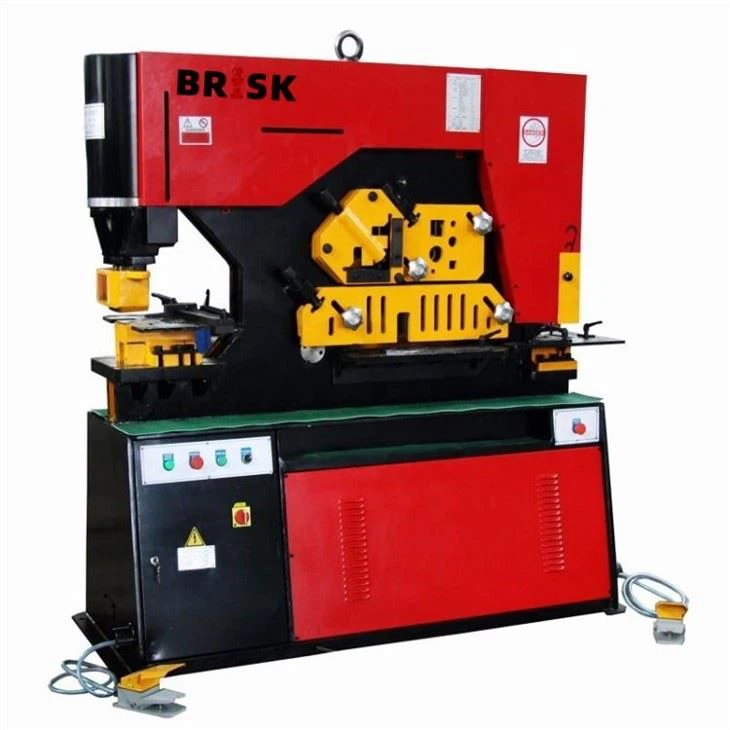
If you're still having trouble troubleshooting your slow - cutting sheet metal guillotine after trying these steps, don't hesitate to reach out. As a supplier, I have a team of experts who can provide further assistance. We also offer a wide range of high - quality Metal Punching and Shearing Machine, Guillotine Shearing Machine, and Hydraulic Metal Guillotine Cutter that are designed for efficient and reliable operation.
If you're in the market for a new sheet metal guillotine or need parts and services for your existing machine, feel free to contact us for a consultation. We can help you find the right solution for your specific needs and budget.
References
- "Sheet Metal Working Handbook" - A comprehensive guide on sheet metal processing equipment and techniques.
- Manufacturer's manuals for sheet metal guillotines, which provide detailed information on maintenance, troubleshooting, and operation.