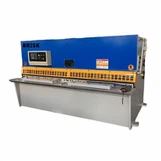
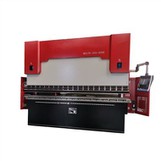
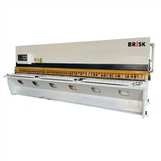
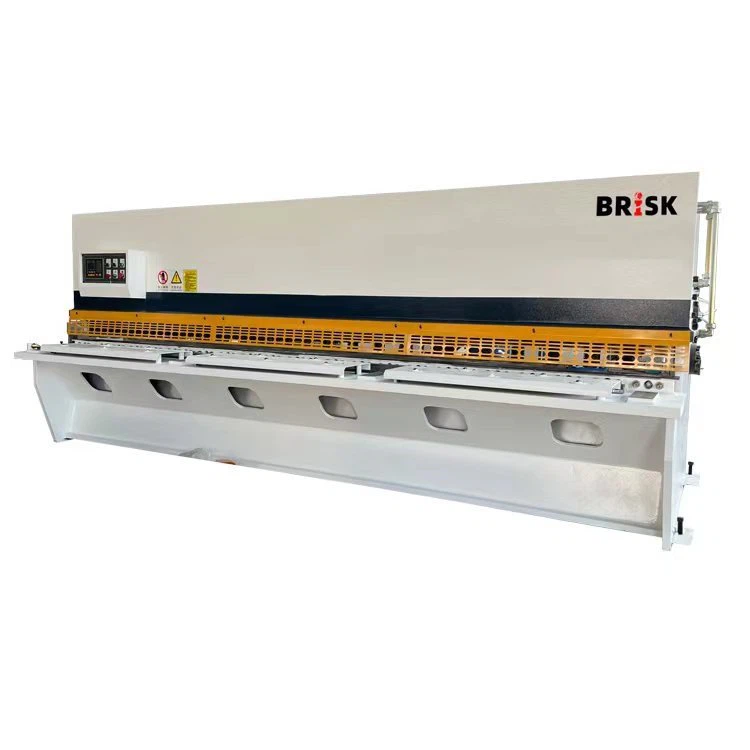
Hey there! As a supplier of Metal Shear Cutters, I've seen firsthand how these powerful machines can make metal - working tasks a whole lot easier. But let's face it, they're also pretty dangerous if not used correctly. So, in this blog, I'm gonna share some essential safety precautions you need to take when using a metal shear cutter.
Pre - operation Checks
Before you even think about firing up that metal shear cutter, you gotta do a thorough pre - operation check. First off, take a good look at the machine. Check for any visible damage like cracks in the frame, loose bolts, or frayed electrical cords. If you spot anything fishy, don't use the machine. Instead, get it fixed by a professional.
Inspect the cutting blades too. They should be sharp and free from chips or nicks. Dull or damaged blades can not only give you a poor cut but also increase the risk of accidents. Make sure the blades are properly aligned as well. Misaligned blades can cause the metal to jam, which is a major safety hazard.
Another important thing is to check the safety guards. These guards are there for a reason – to protect you from the moving parts of the machine. Ensure that all the safety guards are in place and functioning correctly. If a guard is missing or broken, don't operate the machine until it's replaced.
Personal Protective Equipment (PPE)
Wearing the right PPE is non - negotiable when using a metal shear cutter. First on the list is safety glasses. Metal shavings and debris can fly off during the cutting process, and a single piece in your eye can cause serious damage. So, always wear safety glasses with side shields to protect your eyes from all angles.
Next, you need to wear ear protection. Metal shear cutters can be really loud, and prolonged exposure to that noise can lead to hearing loss. Earplugs or earmuffs will do the trick.
Gloves are also a must. They protect your hands from cuts and abrasions. But make sure the gloves you wear are appropriate for the task. Avoid loose - fitting gloves as they can get caught in the machine.
Steel - toed boots are another essential piece of PPE. They protect your feet from falling metal pieces or any heavy objects that might accidentally drop.
Operating the Machine
When it comes to operating the metal shear cutter, there are several rules you need to follow. First, make sure you're familiar with the machine's controls. Read the operator's manual carefully before you start using the machine. Understand how to start, stop, and adjust the settings.
Keep your hands and fingers away from the cutting area. Use push sticks or other appropriate tools to feed the metal into the machine. Never try to remove a jammed piece of metal with your hands while the machine is running. Instead, turn off the machine and wait for it to come to a complete stop before attempting to clear the jam.
Don't overload the machine. Each metal shear cutter has a specific capacity, and exceeding it can cause the machine to malfunction. Check the manufacturer's specifications to find out the maximum thickness and width of the metal that the machine can handle.
When cutting large pieces of metal, make sure they are properly supported. Unstable metal can shift during the cutting process, leading to uneven cuts and potential accidents. You can use a workbench or other support structures to keep the metal in place.
Maintenance and Storage
Regular maintenance is key to keeping your metal shear cutter safe and in good working condition. Clean the machine after each use to remove any metal shavings and debris. This helps prevent the build - up of material, which can affect the machine's performance.
Lubricate the moving parts as recommended by the manufacturer. Proper lubrication reduces friction and wear, extending the life of the machine.

Inspect the electrical components regularly. Look for signs of wear or damage, such as loose connections or frayed wires. If you're not comfortable doing this yourself, have a qualified electrician perform the inspection.
When it's time to store the machine, make sure it's in a dry, clean place. Cover the machine to protect it from dust and moisture. This helps prevent rust and corrosion, which can damage the machine over time.
Training and Supervision
If you're new to using a metal shear cutter, it's crucial to get proper training. A trained operator knows how to use the machine safely and efficiently. Many manufacturers offer training programs, and it's a good idea to take advantage of them.
Even if you're an experienced operator, supervision can still be beneficial. A supervisor can spot potential safety issues that you might miss and provide guidance when needed.
Additional Safety Tips
Here are some additional safety tips to keep in mind. Don't operate the machine if you're tired or under the influence of drugs or alcohol. Your reaction time and judgment can be impaired, increasing the risk of accidents.
Keep the work area clean and organized. Cluttered work areas can lead to tripping hazards and make it difficult to operate the machine safely.
If you notice any unusual noises, vibrations, or smells coming from the machine, stop using it immediately. These could be signs of a serious problem, and continuing to operate the machine could make the situation worse.
Our Product Range
As a Metal Shear Cutter supplier, we offer a wide range of high - quality machines. Check out our Hydraulic Guillotine Sheet Shearing Machine, which is great for precision cutting of sheet metal. We also have the Automatic Hydraulic Swing Beam Shearing Machine, known for its efficiency and reliability. And if you're looking for a more advanced option, our Metal CNC Shear Cutter offers precise and automated cutting.
Conclusion
Using a metal shear cutter can be a safe and productive experience if you follow these safety precautions. Remember, safety should always be your top priority. By doing pre - operation checks, wearing the right PPE, operating the machine correctly, and maintaining it regularly, you can minimize the risk of accidents.
If you're in the market for a metal shear cutter or have any questions about our products, feel free to reach out to us. We're here to help you find the right machine for your needs and ensure that you can use it safely.
References
- Manufacturer's operator manuals for metal shear cutters
- Occupational Safety and Health Administration (OSHA) guidelines for metal - working machinery
- Industry best practices for using metal shear cutters