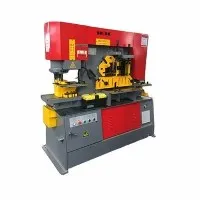
In the world of metalworking, the metal shear cutter stands as a cornerstone tool, enabling precise and efficient cutting of various metal materials. One of the critical factors that determine the versatility and effectiveness of a metal shear cutter is its cutting angle adjustment range. As a leading supplier of metal shear cutters, we understand the significance of this parameter and its impact on the overall performance of the machine. In this blog, we will delve into the details of the cutting angle adjustment range of a metal shear cutter, exploring its importance, common ranges, and how it affects the cutting process.
The Importance of Cutting Angle Adjustment Range
The cutting angle adjustment range of a metal shear cutter plays a crucial role in achieving optimal cutting results. Different metal materials have varying properties, such as hardness, thickness, and ductility, which require specific cutting angles to ensure clean and accurate cuts. By having a wide cutting angle adjustment range, the shear cutter can adapt to different materials and cutting requirements, making it a more versatile and valuable tool in the metalworking industry.
Here are some key reasons why the cutting angle adjustment range is important:
- Improved Cutting Quality: The right cutting angle can significantly improve the quality of the cut by reducing burrs, minimizing deformation, and ensuring a smooth finish. This is especially important when working with high - precision metal parts.
- Enhanced Material Compatibility: Different metals require different cutting angles for the best results. For example, softer metals may require a larger cutting angle, while harder metals may need a smaller one. A wide adjustment range allows the shear cutter to handle a broader range of metal materials.
- Increased Efficiency: By adjusting the cutting angle according to the material and cutting task, the shear cutter can operate more efficiently, reducing the cutting force required and increasing the cutting speed.
Common Cutting Angle Adjustment Ranges
The cutting angle adjustment range of a metal shear cutter can vary depending on the type of machine and its intended application. Here are some common ranges found in different types of metal shear cutters:


- Manual Shear Cutters: Manual shear cutters typically have a relatively limited cutting angle adjustment range, usually from 0° to about 15°. These machines are often used for light - duty cutting tasks and are suitable for softer metals and thinner materials.
- Hydraulic Shear Cutters: Hydraulic shear cutters offer a wider cutting angle adjustment range, typically from 0° to 30°. This increased range allows them to handle a broader range of metal materials and thicknesses, making them more suitable for medium - to heavy - duty cutting applications.
- CNC Shear Cutters: Metal CNC Shear Cutters provide the most precise and extensive cutting angle adjustment capabilities. They can often adjust the cutting angle in small increments, sometimes with a range from 0° to 45° or even more. This high level of precision makes them ideal for complex metalworking projects that require accurate and consistent cuts.
For instance, our Metal CNC Shear Cutter offers a cutting angle adjustment range from 0° to 40°, which gives our customers the flexibility to handle a wide variety of metal cutting tasks with high precision.
How Cutting Angle Affects the Cutting Process
The cutting angle has a profound impact on the cutting process, influencing factors such as cutting force, cutting quality, and tool life. Here's a closer look at how different cutting angles affect these aspects:
- Cutting Force: A smaller cutting angle generally requires less cutting force because it allows the blade to penetrate the metal more easily. However, if the angle is too small, it may cause excessive deformation of the metal and increase the risk of blade damage. On the other hand, a larger cutting angle requires more cutting force but can provide a cleaner cut and reduce the risk of burrs.
- Cutting Quality: The cutting angle directly affects the quality of the cut. A proper cutting angle can minimize burrs, reduce deformation, and ensure a smooth and straight cut. For example, when cutting thin sheets of metal, a slightly larger cutting angle can help prevent the material from wrinkling.
- Tool Life: The cutting angle also affects the life of the cutting blade. An improper cutting angle can cause uneven wear on the blade, leading to premature blade failure. By using the correct cutting angle, the blade can wear more evenly, extending its service life.
Applications of Different Cutting Angle Ranges
The choice of cutting angle adjustment range depends on the specific application of the metal shear cutter. Here are some common applications and the appropriate cutting angle ranges for each:
- Sheet Metal Fabrication: In sheet metal fabrication, a cutting angle adjustment range of 0° to 20° is often sufficient for most tasks. This range allows for precise cutting of thin to medium - thickness sheet metals, such as aluminum and mild steel. Our Aluminum Shear Cutting Machine is well - suited for this application, with a cutting angle range that can handle various aluminum sheet cutting requirements.
- Heavy - Duty Metal Cutting: For heavy - duty metal cutting, such as cutting thick steel plates, a wider cutting angle adjustment range of 0° to 30° or more is necessary. This allows the shear cutter to generate enough cutting force and ensure a clean cut through the thick material. Our Automatic Hydraulic Swing Beam Shearing Machine is designed for heavy - duty applications, offering a wide cutting angle range to meet the demands of thick metal cutting.
- Precision Metalworking: In precision metalworking applications, where high accuracy and quality are required, a CNC shear cutter with a wide and precise cutting angle adjustment range is essential. The ability to adjust the cutting angle in small increments allows for the production of complex and precise metal parts.
Choosing the Right Metal Shear Cutter Based on Cutting Angle Adjustment Range
When selecting a metal shear cutter, it's important to consider the cutting angle adjustment range based on your specific needs. Here are some factors to keep in mind:
- Material Type and Thickness: Determine the types of metal materials and their thicknesses that you will be cutting. This will help you choose a shear cutter with an appropriate cutting angle adjustment range.
- Cutting Precision Requirements: If you require high - precision cuts, a CNC shear cutter with a wide and precise cutting angle adjustment range is recommended.
- Production Volume: For high - volume production, a shear cutter with a wider cutting angle adjustment range can provide more flexibility and efficiency, allowing you to handle different cutting tasks without having to change machines frequently.
As a trusted supplier of metal shear cutters, we offer a wide range of products with different cutting angle adjustment ranges to meet the diverse needs of our customers. Whether you are a small - scale metalworking shop or a large - scale manufacturing plant, we can provide you with the right shear cutter solution.
Contact Us for Your Metal Shear Cutter Needs
If you are in the market for a metal shear cutter and need to learn more about the cutting angle adjustment range or other features of our products, we encourage you to contact us. Our team of experts is ready to assist you in selecting the most suitable shear cutter for your specific requirements. We can provide detailed product information, technical support, and competitive pricing. Don't hesitate to reach out to us for a consultation and start your journey towards more efficient and precise metal cutting.
References
- "Metalworking Handbook", Industrial Press Inc.
- "Manufacturing Engineering and Technology", S. Kalpakjian and S. R. Schmid