What is the cutting angle of a hydraulic guillotine?
As a supplier of hydraulic guillotines, I often encounter questions from customers regarding various technical aspects of these machines. One of the frequently asked questions is about the cutting angle of a hydraulic guillotine. In this blog post, I will delve into the concept of the cutting angle, its significance, and how it affects the performance of a hydraulic guillotine.
Understanding the Cutting Angle
The cutting angle of a hydraulic guillotine refers to the angle at which the cutting blade is set relative to the material being cut. It is an important parameter that plays a crucial role in determining the quality of the cut, the cutting force required, and the overall efficiency of the shearing process.
The cutting angle is typically measured in degrees and can vary depending on several factors, including the type of material being cut, the thickness of the material, and the design of the guillotine. In general, the cutting angle can range from a few degrees to as much as 20 degrees or more.
Significance of the Cutting Angle
The cutting angle has a significant impact on the performance of a hydraulic guillotine. Here are some of the key reasons why the cutting angle is important:
1. Quality of the Cut
The cutting angle affects the quality of the cut by influencing the way the blade interacts with the material. A proper cutting angle helps to ensure a clean, straight cut with minimal burrs or deformation. If the cutting angle is too small, the blade may not penetrate the material effectively, resulting in a rough or uneven cut. On the other hand, if the cutting angle is too large, the blade may cause excessive deformation or tearing of the material, leading to a poor-quality cut.
2. Cutting Force
The cutting angle also affects the cutting force required to shear the material. A smaller cutting angle generally requires less cutting force because the blade can penetrate the material more easily. However, a very small cutting angle may also increase the risk of blade breakage or premature wear. Conversely, a larger cutting angle requires more cutting force but can be beneficial for cutting thicker or harder materials.
3. Tool Life
The cutting angle can have an impact on the tool life of the guillotine blade. A proper cutting angle helps to distribute the cutting forces evenly across the blade, reducing the stress on the blade and extending its lifespan. If the cutting angle is incorrect, the blade may experience excessive wear or damage, leading to frequent blade replacements and increased maintenance costs.
4. Material Compatibility
Different materials require different cutting angles to achieve optimal cutting results. For example, softer materials such as aluminum or copper may require a smaller cutting angle to prevent deformation, while harder materials such as steel or stainless steel may require a larger cutting angle to ensure effective penetration. By adjusting the cutting angle according to the material being cut, the hydraulic guillotine can be optimized for different applications.
Factors Affecting the Cutting Angle
Several factors can influence the choice of the cutting angle for a hydraulic guillotine. Here are some of the key factors to consider:
1. Material Type
The type of material being cut is one of the most important factors in determining the cutting angle. Different materials have different mechanical properties, such as hardness, ductility, and toughness, which affect the way they respond to the cutting process. For example, soft and ductile materials like aluminum or brass may require a smaller cutting angle to prevent deformation, while hard and brittle materials like cast iron or hardened steel may require a larger cutting angle to ensure effective penetration.
2. Material Thickness
The thickness of the material also plays a role in determining the cutting angle. Thicker materials generally require a larger cutting angle to ensure that the blade can penetrate the material effectively. As the material thickness increases, the cutting force required also increases, and a larger cutting angle helps to distribute the cutting forces more evenly across the blade.
3. Blade Design
The design of the guillotine blade can also affect the cutting angle. Different blade geometries, such as straight blades, beveled blades, or serrated blades, may require different cutting angles to achieve optimal cutting performance. Additionally, the sharpness and condition of the blade can also influence the cutting angle, as a dull or damaged blade may require a larger cutting angle to compensate for the reduced cutting ability.
4. Machine Design
The design of the hydraulic guillotine itself can also have an impact on the cutting angle. Factors such as the blade stroke length, the clamping force, and the overall rigidity of the machine can all affect the way the blade interacts with the material and the cutting angle required. A well-designed guillotine with proper blade guidance and support can help to ensure a consistent and accurate cutting angle.
Determining the Optimal Cutting Angle
Determining the optimal cutting angle for a hydraulic guillotine requires a combination of theoretical knowledge and practical experience. While there are some general guidelines and recommendations available, the best way to determine the optimal cutting angle for a specific application is through testing and experimentation.
Here are some steps that can be followed to determine the optimal cutting angle:
1. Consult the Manufacturer's Guidelines
The first step is to consult the manufacturer's guidelines and specifications for the hydraulic guillotine. The manufacturer may provide recommended cutting angles for different materials and thicknesses based on the design and capabilities of the machine. These guidelines can serve as a starting point for determining the optimal cutting angle.
2. Conduct Material Testing
Once the manufacturer's guidelines have been consulted, it is recommended to conduct material testing to determine the optimal cutting angle for the specific material being used. This can involve cutting samples of the material at different cutting angles and evaluating the quality of the cut, the cutting force required, and the tool life. By comparing the results of the tests, the optimal cutting angle can be determined.
3. Consider the Application Requirements
In addition to the material properties, it is also important to consider the specific application requirements when determining the cutting angle. For example, if the cut parts need to have a high degree of accuracy and surface finish, a smaller cutting angle may be preferred. On the other hand, if the cutting process needs to be fast and efficient, a larger cutting angle may be more appropriate.
4. Adjust the Cutting Angle as Needed
Once the optimal cutting angle has been determined, it is important to monitor the cutting process and adjust the cutting angle as needed. Factors such as changes in the material properties, the blade condition, or the cutting speed can all affect the optimal cutting angle, and regular adjustments may be required to ensure consistent cutting performance.
Our Hydraulic Guillotines and Cutting Angle Optimization
At our company, we are committed to providing high-quality hydraulic guillotines that are designed to deliver optimal cutting performance. Our machines are equipped with advanced features and technologies that allow for precise control of the cutting angle, ensuring clean, accurate cuts every time.
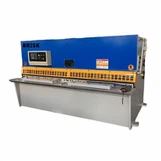
We offer a wide range of Hydraulic Metal Guillotine Cutter suitable for various applications and materials. Whether you need to cut thin sheets of aluminum or thick plates of steel, our hydraulic guillotines can be customized to meet your specific requirements.
In addition to our standard models, we also offer Sheet Metal Guillotine Shearing Machine that are specifically designed for cutting sheet metal. These machines are equipped with features such as adjustable cutting angles, automatic blade clearance adjustment, and high-speed cutting capabilities, making them ideal for high-volume production environments.
If you are in the market for a Guillotine Shearing Machine, we invite you to contact us to discuss your needs and learn more about our products. Our team of experts will be happy to provide you with detailed information, technical support, and a free quote.
Conclusion
The cutting angle of a hydraulic guillotine is an important parameter that affects the quality of the cut, the cutting force required, and the overall efficiency of the shearing process. By understanding the concept of the cutting angle, its significance, and the factors that influence it, you can make informed decisions when choosing a hydraulic guillotine and optimizing its performance.
If you have any questions or need further information about the cutting angle of a hydraulic guillotine, please do not hesitate to contact us. We are here to help you find the right solution for your cutting needs.


References
- ASM Handbook Volume 16: Machining. ASM International.
- Machinery's Handbook. Industrial Press Inc.
- Metal Cutting Principles. McGraw-Hill Education.