In the world of metal fabrication and industrial manufacturing, shear cutting machines play a pivotal role. At the heart of these machines lies the blade, a component whose design can significantly impact the efficiency, precision, and overall performance of the cutting process. As a leading supplier of shear cutting machines, I've witnessed firsthand the evolution of blade design and its profound influence on the industry. In this blog, I'll delve into the cutting - edge design features of shear cutting machine blades that are revolutionizing the field.
Material Selection
One of the fundamental aspects of blade design is the choice of material. High - speed steel (HSS) has long been a popular option due to its excellent hardness, wear resistance, and ability to maintain its cutting edge at high temperatures. However, modern blade designs are increasingly turning to carbide - tipped or solid carbide blades.
Carbide is an extremely hard and wear - resistant material, making it ideal for cutting through tough metals such as stainless steel, aluminum alloys, and high - strength steels. Carbide - tipped blades consist of a carbide insert brazed onto a steel body. This design combines the strength of the steel body with the cutting performance of the carbide tip. Solid carbide blades, on the other hand, are made entirely of carbide, offering even greater wear resistance and cutting precision.
The use of advanced coating technologies further enhances the performance of these blades. Titanium nitride (TiN), titanium carbonitride (TiCN), and aluminum titanium nitride (AlTiN) coatings can improve the blade's hardness, reduce friction, and increase its resistance to wear and corrosion. These coatings also help to extend the blade's service life, reducing the frequency of blade changes and downtime.
Geometric Design
The geometric design of the blade is another critical factor in its cutting performance. Traditional shear cutting machine blades often had a simple straight - edge design. However, modern blades feature more complex geometries that are tailored to specific cutting applications.
One of the most significant advancements in blade geometry is the development of variable - pitch blades. These blades have teeth with different pitches along the cutting edge. The variable pitch design helps to reduce vibration and noise during the cutting process, resulting in a smoother and more precise cut. It also helps to prevent the blade from getting stuck in the material, especially when cutting thick or hard metals.
Another important geometric feature is the rake angle. The rake angle is the angle between the face of the blade and a line perpendicular to the workpiece surface. A positive rake angle makes the blade easier to cut through the material, reducing the cutting force required. However, too large a positive rake angle can cause the blade to wear out quickly. A negative rake angle, on the other hand, increases the blade's strength and durability but requires more cutting force. Modern blade designs carefully balance the rake angle to optimize cutting performance and blade life.
Edge Preparation
The preparation of the blade edge is crucial for achieving a clean and precise cut. In the past, blade edges were often ground to a simple sharp edge. However, today's cutting - edge blade designs use more sophisticated edge preparation techniques.
Micro - serrations are one such technique. Micro - serrations are tiny teeth or grooves along the cutting edge of the blade. These micro - serrations help to break up the chips as they are formed, reducing the cutting force and improving the surface finish of the cut. They also help to prevent the blade from tearing or burring the material, resulting in a cleaner and more accurate cut.
Edge honing is another important edge preparation method. Honing involves creating a very fine, smooth edge on the blade. This helps to improve the blade's cutting performance and reduce the amount of material that is deformed during the cutting process. A well - honed edge also helps to extend the blade's service life by reducing the wear on the cutting edge.

Integration with Machine Design
The design of the shear cutting machine blade must also be integrated with the overall design of the machine. For example, the blade's mounting system is a critical factor in ensuring its stability and accuracy during the cutting process. Modern shear cutting machines often use advanced clamping systems that provide a secure and precise fit for the blade.
The machine's drive system also plays a role in blade performance. Hydraulic systems are commonly used in shear cutting machines due to their ability to provide high cutting forces. The design of the hydraulic system must be optimized to ensure that the blade receives a consistent and controlled cutting force. This helps to prevent the blade from overloading and ensures a uniform cut across the workpiece.
Application - Specific Design
Different cutting applications require different blade designs. For example, if you are cutting thin sheets of metal, you may need a blade with a fine tooth pitch and a high positive rake angle to achieve a clean and precise cut. On the other hand, if you are cutting thick plates of high - strength steel, you may need a blade with a coarser tooth pitch and a negative rake angle to handle the high cutting forces.
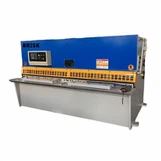
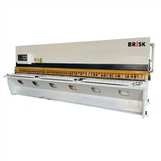
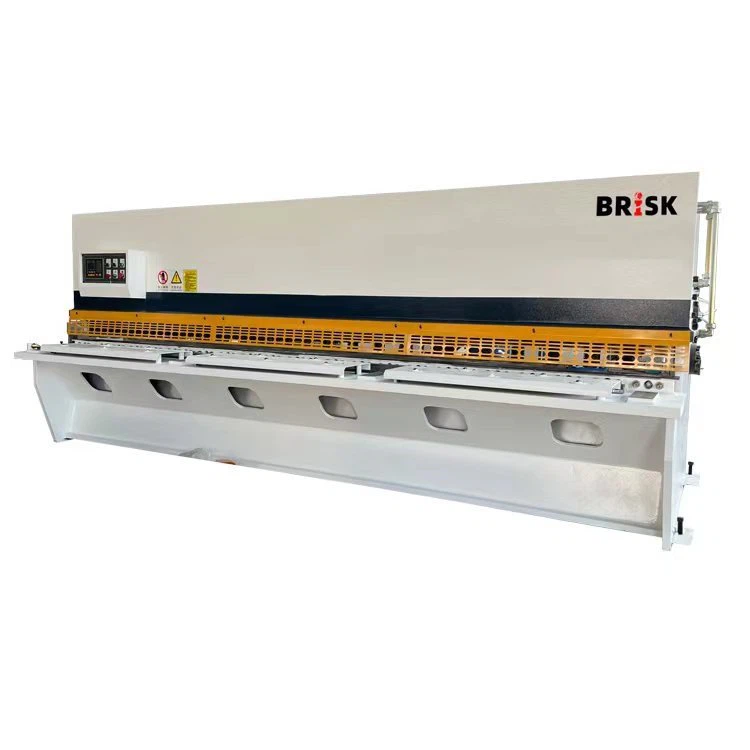
As a supplier of shear cutting machines, we offer a wide range of blades that are designed for specific applications. Our Automatic Hydraulic Swing Beam Shearing Machine is equipped with blades that are optimized for cutting various thicknesses of metal sheets. The Benchtop Metal Shear Machine is designed for smaller - scale metal cutting operations and features blades that are suitable for cutting thin metals. Our Hydraulic Guillotine Sheet Shearing Machine uses blades that are designed to provide a straight and accurate cut for large - scale sheet metal cutting.
Conclusion
The cutting - edge design of shear cutting machine blades is a combination of advanced materials, innovative geometries, and precise edge preparation techniques. These designs are constantly evolving to meet the changing needs of the metal fabrication and industrial manufacturing industries. As a supplier of shear cutting machines, we are committed to staying at the forefront of these technological advancements and providing our customers with the highest - quality blades and machines.
If you are in the market for a shear cutting machine or need to replace your existing blades, we invite you to contact us for a consultation. Our team of experts can help you select the right machine and blade for your specific cutting application. We look forward to working with you to improve your cutting processes and enhance your productivity.
References
- "Metal Cutting Principles" by Peter Oxley
- "Advanced Manufacturing Technology" by Geoffrey Boothroyd, Peter Dewhurst, and Winston Knight
- Industry reports and research papers on shear cutting machine technology