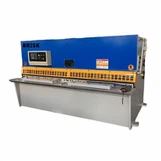
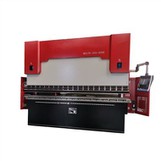
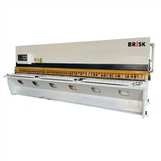
As a seasoned supplier of metal shear cutters, I've witnessed firsthand the diverse needs and preferences of our customers. One of the most common questions we receive is about the difference between single - blade and double - blade metal shear cutters. In this blog post, I'll delve into the key distinctions between these two types of cutters, their respective advantages and disadvantages, and help you determine which one is the best fit for your specific requirements.
Design and Structure
The most obvious difference between single - blade and double - blade metal shear cutters lies in their design. A single - blade metal shear cutter, as the name suggests, features a single cutting blade. This blade moves against a fixed anvil or bed to make the cut. The simplicity of this design makes it relatively easy to operate and maintain.
On the other hand, a double - blade metal shear cutter has two cutting blades that move in a coordinated manner. These blades can move towards each other (scissor - like action) or in parallel to perform the cutting operation. The double - blade design offers more complex cutting capabilities compared to the single - blade counterpart.
Cutting Capacity
When it comes to cutting capacity, both single - blade and double - blade metal shear cutters have their own strengths. Single - blade shear cutters are often well - suited for cutting thinner materials. They can provide a clean and precise cut on sheets of metal that are relatively thin, typically up to a certain gauge. The single - blade design allows for a more straightforward application of force, which is ideal for these types of cuts.
Double - blade metal shear cutters, however, are generally more capable of handling thicker and tougher materials. The coordinated movement of the two blades distributes the cutting force more evenly, enabling them to cut through thicker metal sheets, bars, or profiles. If you need to cut materials with a high thickness or hardness, a double - blade shear cutter might be the better choice. For example, in industries where thick aluminum or steel plates are processed, double - blade cutters are often preferred.
Precision of Cutting
Precision is a crucial factor in metal cutting operations. Single - blade metal shear cutters can offer high precision when cutting thin materials. The fixed anvil provides a stable base against which the blade cuts, minimizing the chances of material deformation. This makes them suitable for applications where a high degree of accuracy is required, such as in the manufacturing of small metal components or in the electronics industry.
Double - blade shear cutters also offer good precision, especially when cutting thicker materials. The balanced cutting action of the two blades helps to reduce distortion and ensure a more consistent cut. However, achieving the same level of precision as a single - blade cutter on very thin materials can be more challenging due to the increased complexity of the double - blade mechanism.
Speed of Cutting
In terms of cutting speed, single - blade metal shear cutters are generally faster when cutting thin materials. The simple design allows for quick blade movement, and the cutting process can be completed rapidly. This makes them a great choice for high - volume production lines where speed is of the essence.
Double - blade shear cutters, while not as fast as single - blade cutters for thin materials, can still cut at a reasonable pace when dealing with thicker materials. The coordinated movement of the two blades may take a bit more time, but the ability to cut through thicker stock in one pass can offset this in some applications.
Cost
Cost is always an important consideration when purchasing a metal shear cutter. Single - blade metal shear cutters are typically more affordable. Their simpler design means lower manufacturing costs, which are then passed on to the customer. If you have a limited budget and only need to cut thin materials, a single - blade shear cutter can be a cost - effective solution.
Double - blade shear cutters are more expensive due to their more complex design and greater cutting capabilities. The additional components and the need for precise coordination between the two blades contribute to the higher cost. However, if you require the ability to cut thick and tough materials, the investment in a double - blade shear cutter may be justified in the long run.
Applications
The choice between a single - blade and a double - blade metal shear cutter also depends on the specific application. Single - blade shear cutters are commonly used in industries such as sheet metal fabrication, where thin sheets of metal need to be cut into various shapes. They are also popular in the automotive industry for cutting thin metal parts. You can find a wide range of single - blade cutters, including Aluminum Shear Cutting Machine and Benchtop Metal Shear Machine, which are suitable for different scales of operations.
Double - blade shear cutters are widely used in heavy - duty industries such as shipbuilding, construction, and large - scale metal processing plants. Their ability to cut thick materials makes them essential for these applications. For more advanced and precise cutting operations, Metal CNC Shear Cutter can be a great option, which combines the power of double - blade cutting with the accuracy of CNC technology.
Maintenance
Maintenance is an important aspect of owning a metal shear cutter. Single - blade metal shear cutters are relatively easy to maintain. With fewer moving parts, there are fewer components that can wear out or malfunction. Regular blade sharpening and lubrication are usually the main maintenance tasks required.
Double - blade shear cutters, on the other hand, require more comprehensive maintenance. The coordinated movement of the two blades means that the alignment and synchronization of the blades need to be checked regularly. Additionally, the more complex mechanism has more parts that are subject to wear and tear, so more frequent inspections and maintenance are necessary.


In conclusion, the choice between a single - blade and a double - blade metal shear cutter depends on a variety of factors, including the type and thickness of the materials you need to cut, the required precision, cutting speed, budget, and maintenance capabilities. As a supplier of metal shear cutters, we understand these needs and can provide you with the best advice and products to meet your specific requirements.
If you're interested in learning more about our metal shear cutters or are ready to make a purchase, we encourage you to contact us. Our team of experts is always on hand to assist you with any questions you may have and to guide you through the procurement process. Whether you need a single - blade cutter for thin - material cutting or a double - blade cutter for heavy - duty applications, we have the right solution for you.
References
- "Metal Cutting Handbook", Industrial Press Inc.
- "Advanced Manufacturing Technology", McGraw - Hill Education