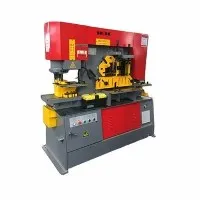
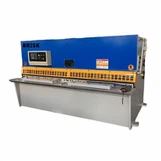
Hey there, folks! As a supplier of sheet metal guillotines, I've seen firsthand how important blade sharpness is when it comes to the cutting quality of these machines. In this blog post, I'm gonna dive deep into the influence of blade sharpness on the cutting quality of a sheet metal guillotine and why it matters for your business.


Let's start with the basics. A sheet metal guillotine is a powerful tool used to cut through various types of sheet metal, such as steel, aluminum, and copper. The blade of the guillotine is the key component that does the actual cutting. When the blade is sharp, it can make clean, precise cuts through the metal with ease. But when the blade is dull, it can cause a whole bunch of problems.
One of the most obvious effects of a dull blade is a decrease in cutting quality. A dull blade will struggle to cut through the metal smoothly, resulting in rough, jagged edges. This can be a major issue, especially if you're working on a project that requires precise cuts, like manufacturing parts for machinery or creating intricate designs. Rough edges can also make it difficult to assemble the metal pieces together, leading to a less stable and less reliable final product.
In addition to rough edges, a dull blade can also cause the metal to deform or warp during the cutting process. When the blade isn't sharp enough to make a clean cut, it has to apply more force to the metal. This extra force can cause the metal to bend or stretch, resulting in a distorted shape. Deformed metal can be a real headache to work with, as it may not fit properly into the intended design or may require additional processing to correct the shape.
Another problem with a dull blade is that it can increase the wear and tear on the guillotine itself. When the blade has to work harder to cut through the metal, it puts more stress on the machine's components, such as the motor, gears, and bearings. Over time, this can lead to premature failure of these parts, resulting in costly repairs and downtime for your business.
So, how do you know if your guillotine blade is dull? There are a few signs to look out for. One of the most obvious is a decrease in cutting performance. If you notice that the guillotine is taking longer to cut through the metal or that the cuts are starting to look rough or uneven, it's probably time to sharpen the blade. You may also notice that the blade is making a lot of noise or vibration during the cutting process, which can be another sign of a dull blade.
To keep your guillotine blade in top condition, it's important to sharpen it regularly. The frequency of sharpening will depend on how often you use the machine and the type of metal you're cutting. As a general rule of thumb, it's a good idea to sharpen the blade every few months or after a certain number of cuts.
There are a few different ways to sharpen a guillotine blade. One option is to use a sharpening stone or a grinding wheel. This method requires some skill and experience, as it's important to maintain the correct angle and pressure while sharpening the blade. Another option is to use a professional blade sharpening service. This can be a more convenient and reliable option, especially if you don't have the time or expertise to sharpen the blade yourself.
In addition to regular sharpening, there are a few other things you can do to ensure the best cutting quality from your sheet metal guillotine. One of the most important is to choose the right blade for the job. Different types of metal require different types of blades, so it's important to select a blade that is specifically designed for the type of metal you're cutting. You should also make sure that the blade is properly installed and aligned in the guillotine to ensure a clean, precise cut.
Another important factor to consider is the cutting speed and pressure. Cutting too fast or applying too much pressure can cause the blade to wear out more quickly and can also lead to a decrease in cutting quality. It's important to follow the manufacturer's recommendations for cutting speed and pressure to ensure the best results.
Now that we've talked about the importance of blade sharpness and how to maintain it, let's take a look at some of the benefits of using a sharp blade in your sheet metal guillotine. One of the biggest benefits is improved cutting quality. A sharp blade can make clean, precise cuts through the metal, resulting in smooth edges and a more accurate final product. This can save you time and money on additional processing and can also improve the overall quality of your work.
Another benefit of using a sharp blade is increased productivity. When the blade is sharp, it can cut through the metal more quickly and easily, reducing the amount of time it takes to complete a project. This can allow you to take on more jobs and increase your revenue.
Using a sharp blade can also help to extend the life of your guillotine. When the blade is sharp, it puts less stress on the machine's components, reducing the risk of premature failure. This can save you money on repairs and replacements and can also keep your machine running smoothly for longer.
In conclusion, blade sharpness is a crucial factor in the cutting quality of a sheet metal guillotine. A sharp blade can make clean, precise cuts through the metal, resulting in smooth edges and a more accurate final product. It can also increase productivity and extend the life of your machine. As a supplier of Sheet Metal Guillotine Shearing Machine, I highly recommend that you keep your guillotine blade sharp and well-maintained to ensure the best results.
If you're in the market for a new sheet metal guillotine or need to replace your existing blade, I'd love to help. We offer a wide range of high-quality Metal Punching and Shearing Machine and Industrial CNC Hydraulic Shearing Machine that are designed to meet the needs of businesses of all sizes. Contact our sales team to discuss your requirements and get a quote. We're here to help you find the perfect solution for your sheet metal cutting needs.
References
- Smith, J. (2020). The Importance of Blade Sharpness in Sheet Metal Cutting. Journal of Metalworking Technology, 15(2), 45 - 52.
- Brown, A. (2019). Maintaining Your Sheet Metal Guillotine for Optimal Performance. Industrial Machinery Magazine, 22(3), 67 - 73.