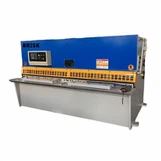
The noise level of a hydraulic shear during operation is a crucial factor that not only affects the working environment but also has implications for the safety and well - being of operators. As a hydraulic shear supplier, we understand the significance of this aspect and are committed to providing in - depth knowledge about it.
Factors Influencing the Noise Level of Hydraulic Shears
1. Hydraulic System
The hydraulic system is the heart of a hydraulic shear. When the pump operates, it creates pressure to drive the movement of the shear blade. The flow of hydraulic fluid through pipes and valves can generate noise. High - pressure pumps, in particular, tend to produce more noise. The rapid opening and closing of valves also cause fluid turbulence, which is a major source of noise. For example, a large - capacity hydraulic shear with a high - pressure pump may generate a significant amount of noise due to the high - speed fluid flow and the force exerted on the components.
2. Mechanical Components
The mechanical parts of the hydraulic shear, such as the blade, gears, and bearings, also contribute to the noise level. The cutting action of the blade against the material creates impact noise. If the blade is dull or misaligned, the noise can be even louder. Gears that are not properly lubricated or have manufacturing defects can produce a whining or grinding noise during operation. Bearings that are worn out or under excessive load may also generate abnormal noise.
3. Material Being Cut
The type and thickness of the material being cut play a role in the noise level. Cutting hard materials like thick steel plates requires more force, which can lead to louder noise compared to cutting softer materials such as aluminum. For instance, when cutting a thick stainless - steel plate, the shear has to exert a large amount of pressure, and the resulting impact and vibration generate a high - level noise.
Measuring the Noise Level of Hydraulic Shears
To accurately assess the noise level of a hydraulic shear, we use a sound level meter. The measurement is usually taken at a specific distance from the machine, typically 1 meter away from the source of the noise. The noise level is measured in decibels (dB). Different models of hydraulic shears have different noise levels depending on their design and specifications.
For small - scale hydraulic shears, such as the Benchtop Metal Shear Machine, the noise level is relatively lower, usually ranging from 70 - 80 dB. These machines are often used in workshops with a smaller working area and are designed to be more compact and less noisy.
On the other hand, large - scale industrial hydraulic shears, like the Automatic Hydraulic Swing Beam Shearing Machine, may have a noise level of 85 - 95 dB. These machines are capable of cutting thick and large - sized materials, and their powerful hydraulic systems and heavy - duty mechanical components contribute to the higher noise level.
The Aluminum Shear Cutting Machine is designed specifically for cutting aluminum materials. Since aluminum is a relatively soft material, the noise level during operation is generally lower compared to machines used for cutting steel. It usually operates at a noise level of around 75 - 85 dB.
Impact of High Noise Levels
1. Health Risks for Operators
Exposure to high - level noise for an extended period can cause various health problems for operators. It can lead to hearing loss, tinnitus (ringing in the ears), and increased stress levels. Prolonged exposure to noise above 85 dB can gradually damage the hair cells in the inner ear, resulting in permanent hearing impairment.
2. Workplace Productivity
High noise levels can also affect workplace productivity. The constant noise can be distracting, making it difficult for operators to concentrate on their work. It can also increase fatigue, which may lead to a decrease in the quality and efficiency of the work.
3. Environmental Impact
In an industrial setting, high - level noise from hydraulic shears can have an impact on the surrounding environment. It can cause noise pollution, which may affect nearby residents and other businesses.
Noise Reduction Measures
1. Design Improvements
Manufacturers are constantly working on improving the design of hydraulic shears to reduce noise. This includes using quieter hydraulic pumps, improving the flow path of the hydraulic fluid to reduce turbulence, and optimizing the mechanical structure to minimize vibration. For example, some modern hydraulic shears are equipped with noise - reducing enclosures around the hydraulic system and mechanical components.
2. Maintenance
Regular maintenance is essential for keeping the noise level of hydraulic shears under control. This includes sharpening the blades regularly, lubricating the gears and bearings, and checking for any loose or worn - out parts. A well - maintained machine is less likely to generate excessive noise.
3. Operator Protection
Providing operators with appropriate hearing protection, such as earplugs or earmuffs, is an effective way to reduce the impact of noise on their health. Operators should be trained to use the hearing protection correctly and to follow safety procedures to minimize their exposure to noise.
Our Commitment as a Hydraulic Shear Supplier
As a hydraulic shear supplier, we are committed to providing our customers with high - quality products that meet strict noise - level standards. We offer a wide range of hydraulic shears, including the Benchtop Metal Shear Machine, Automatic Hydraulic Swing Beam Shearing Machine, and Aluminum Shear Cutting Machine, all of which are designed with noise reduction in mind.


We also provide comprehensive after - sales service, including maintenance guidance and support, to ensure that our customers' machines operate at an optimal noise level. Our technical team is always ready to assist customers in choosing the right hydraulic shear for their specific needs and to address any noise - related issues.
If you are in the market for a hydraulic shear and are concerned about the noise level, we encourage you to contact us for more information. We can provide detailed specifications about the noise level of our products and help you make an informed decision. Whether you are a small - scale workshop or a large - scale industrial enterprise, we have the right solution for you. Contact us today to start the procurement negotiation process and find the perfect hydraulic shear for your business.
References
- Machinery's Handbook, 31st Edition
- Occupational Safety and Health Administration (OSHA) Guidelines on Noise Exposure
- International Organization for Standardization (ISO) Standards for Noise Measurement in Industrial Machinery