Can a hydraulic shear be used for cutting ceramics?


As a supplier of hydraulic shears, I often encounter various inquiries from customers about the capabilities of our products. One question that has come up more frequently lately is whether a hydraulic shear can be used for cutting ceramics. This is an interesting and complex topic that requires a detailed exploration.
Understanding Hydraulic Shears
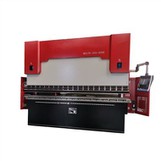
First, let's briefly understand what a hydraulic shear is. Hydraulic shears are powerful cutting tools that utilize hydraulic pressure to generate the force needed for cutting. They are commonly used in metalworking industries for cutting various types of metals, such as steel, aluminum, and copper. Our company offers a wide range of hydraulic shears, including Metal CNC Shear Cutter, Hydraulic Guillotine Sheet Shearing Machine, and Benchtop Metal Shear Machine. These machines are designed to provide high precision and efficiency in metal cutting operations.
Characteristics of Ceramics
Ceramics are a diverse group of materials known for their high hardness, brittleness, and excellent heat resistance. They are used in a wide range of applications, from household items like pottery and tiles to high - tech components in aerospace and electronics. The hardness of ceramics is often much higher than that of metals, and their brittleness means they are prone to cracking and chipping under stress.
Challenges of Cutting Ceramics with Hydraulic Shears
When considering using a hydraulic shear to cut ceramics, several challenges need to be addressed.
- Hardness: Ceramics have a very high hardness, which can quickly wear out the cutting blades of a hydraulic shear. The blades of a typical hydraulic shear are designed to cut metals with relatively lower hardness. Using them on ceramics can cause rapid blade dulling, reducing the cutting efficiency and increasing the cost of blade replacement.
- Brittleness: The brittleness of ceramics makes them difficult to cut using a traditional shearing method. When a shear blade applies force to a ceramic material, the stress can cause the ceramic to crack or shatter before a clean cut can be made. This is especially true for large - scale or thick ceramic pieces.
- Cutting Precision: Ceramics often require high - precision cutting, especially in applications such as electronics and precision manufacturing. Hydraulic shears, which are mainly designed for metal cutting, may not be able to achieve the same level of precision when cutting ceramics. The cutting process may introduce unwanted cracks or uneven edges, which can affect the quality of the final product.
Possible Solutions
Despite these challenges, there are some possible ways to use hydraulic shears for cutting ceramics in certain situations.
- Specialized Blades: Developing specialized cutting blades with hardness and wear - resistance suitable for ceramics could be a solution. These blades may be made of materials such as diamond - coated alloys or other super - hard materials. However, the cost of manufacturing and using these specialized blades is relatively high.
- Optimized Cutting Parameters: Adjusting the cutting parameters of the hydraulic shear, such as the cutting speed, pressure, and feed rate, can help reduce the stress on the ceramic material during cutting. By applying a slow and steady cutting force, the risk of cracking and chipping can be minimized.
- Pre - treatment and Support: Pre - treating the ceramic material, such as annealing or tempering, can improve its toughness and reduce the risk of cracking. Additionally, providing proper support to the ceramic workpiece during cutting can help distribute the stress evenly, resulting in a more successful cut.
Case Studies
In some small - scale or experimental settings, companies have attempted to use modified hydraulic shears for cutting ceramics. For example, in a research project focused on cutting small ceramic tiles for decorative purposes, a hydraulic shear with a modified blade and adjusted cutting parameters was used. The results showed that with careful control of the cutting process, it was possible to achieve relatively clean cuts on the ceramic tiles. However, this was a very specific application, and the success may not be easily replicated in other ceramic cutting scenarios.
Conclusion
In general, while it is theoretically possible to use a hydraulic shear for cutting ceramics, there are significant challenges that need to be overcome. The high hardness and brittleness of ceramics make them difficult to cut using traditional hydraulic shear methods. However, with the development of specialized blades and optimized cutting techniques, there may be some potential for using hydraulic shears in certain ceramic cutting applications.
If you are interested in exploring the possibilities of using our hydraulic shears for your specific cutting needs, whether it's for metals or potentially ceramics, we welcome you to contact us for a detailed discussion. Our team of experts can provide you with more information and advice on choosing the right machine and optimizing the cutting process.
References
- Callister, W. D., & Rethwisch, D. G. (2010). Materials Science and Engineering: An Introduction. Wiley.
- Fundamentals of Ceramics Manufacturing and Processing, Ed., Hamid Garmestani, ASM International, 2016.