Hey there! As a supplier of plate rollers, I often get asked, "Can a plate roller be used for carbon steel plates?" Well, the short answer is yes, and in this blog, I'll dive deep into why that's the case, how it works, and what you need to know when using a plate roller for carbon steel.
Why Carbon Steel?
First off, let's talk a bit about carbon steel. It's one of the most widely used materials in the manufacturing industry. Why? Because it's strong, durable, and relatively inexpensive compared to other metals. Carbon steel comes in different grades, each with its own unique properties. Low - carbon steel is more malleable and ductile, making it easier to form. Medium - carbon steel offers a good balance of strength and formability, while high - carbon steel is extremely strong but less ductile.
Whether you're building a small metal structure or a large industrial component, carbon steel can get the job done. And that's where our plate rollers come in handy.
How Plate Rollers Work with Carbon Steel
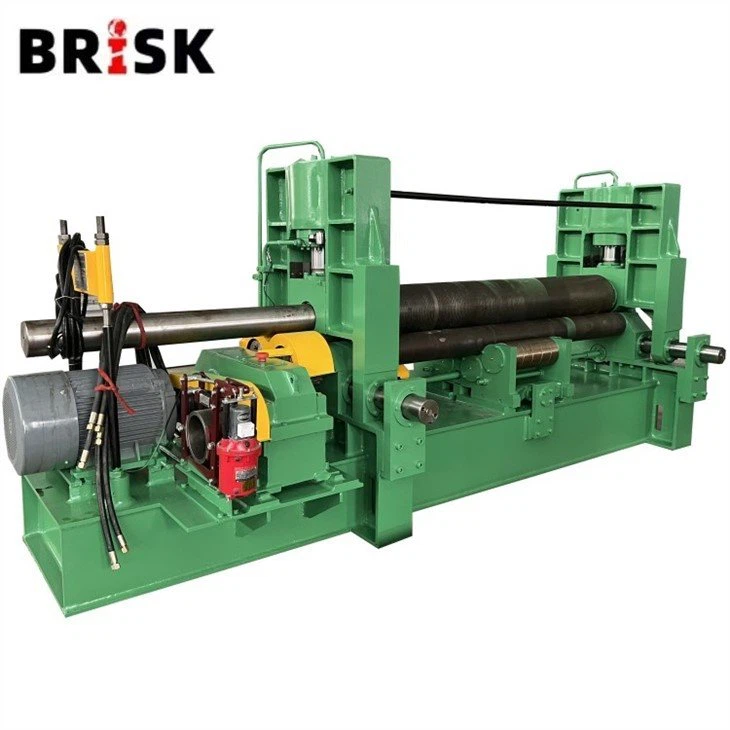
A plate roller, also known as a Metal Plate Rolling Bending Machine, is a machine designed to bend metal plates into various shapes, such as cylinders, cones, or curves. The basic principle is pretty straightforward. The plate is fed between a set of rollers, and as the rollers rotate, they apply pressure to the plate, gradually bending it.
When it comes to carbon steel, the plate roller needs to be adjusted according to the thickness and grade of the steel. For thinner low - carbon steel plates, the rollers can be set closer together, and less pressure may be required. On the other hand, thicker high - carbon steel plates need more space between the rollers and higher pressure to achieve the desired bend.

Advantages of Using a Plate Roller for Carbon Steel
Precision
One of the biggest advantages of using a plate roller for carbon steel is the precision it offers. You can control the radius of the bend, the angle, and the overall shape of the plate with a high degree of accuracy. This is crucial, especially in industries where tight tolerances are required, like aerospace or automotive manufacturing.
Efficiency
Plate rollers are designed to work quickly and efficiently. They can handle large volumes of carbon steel plates in a relatively short period. This means you can increase your production rate and meet tight deadlines without sacrificing quality.
Versatility
Our plate rollers can handle a wide range of carbon steel plate sizes and thicknesses. Whether you're working with a small, thin plate or a large, thick one, our machines can get the job done. You can also create different types of bends, from simple curves to complex shapes, making them suitable for a variety of applications.
Factors to Consider When Using a Plate Roller for Carbon Steel
Roller Material
The material of the rollers in the plate roller is important. For carbon steel, rollers made of high - strength steel or alloy steel are recommended. These materials can withstand the high pressure and friction generated during the bending process, ensuring a long service life for the rollers.
Roller Diameter
The diameter of the rollers affects the minimum bend radius that can be achieved. Smaller diameter rollers can create tighter bends, but they may also require more pressure. Larger diameter rollers are better for thicker plates and larger bend radii. You need to choose the right roller diameter based on the specific requirements of your carbon steel project.
Lubrication
Proper lubrication is essential when bending carbon steel plates. Lubricants reduce friction between the plate and the rollers, which helps to prevent scratches and damage to the surface of the steel. They also make the bending process smoother and more efficient.
Maintenance of Plate Rollers for Carbon Steel Bending
To ensure the optimal performance of your plate roller when working with carbon steel, regular maintenance is necessary. Here are some key maintenance tasks:
Cleaning
After each use, clean the rollers and the machine to remove any debris or metal shavings. This helps to prevent damage to the rollers and ensures a clean surface for the next bending operation.
Inspection
Regularly inspect the rollers for signs of wear and tear. Check for cracks, dents, or any other damage. If you notice any issues, replace the rollers immediately to avoid affecting the quality of the bends.
Calibration
Periodically calibrate the plate roller to ensure accurate bending. This involves checking and adjusting the roller positions, pressure settings, and other parameters to make sure they are within the specified tolerances.
Real - World Applications
There are countless real - world applications for carbon steel plates bent using plate rollers. In the construction industry, they are used to create structural components such as columns, beams, and arches. In the oil and gas industry, carbon steel pipes and cylinders are bent using plate rollers for pipelines and storage tanks.
In the manufacturing of machinery and equipment, carbon steel plates are bent to form frames, enclosures, and other parts. The versatility of plate rollers allows them to be used in a wide range of industries, making them an essential tool for any business working with carbon steel.
Conclusion
So, there you have it. A plate roller can definitely be used for carbon steel plates, and it offers many advantages in terms of precision, efficiency, and versatility. Whether you're a small - scale manufacturer or a large industrial company, our plate rollers can help you achieve the high - quality bends you need for your carbon steel projects.
If you're interested in learning more about our plate rollers or are looking to purchase one for your business, don't hesitate to reach out. We're here to answer all your questions and help you find the right machine for your specific needs. Let's start a conversation and see how we can work together to take your carbon steel bending projects to the next level.
References
- ASM Handbook, Volume 1: Properties and Selection: Irons, Steels, and High - Performance Alloys
- Machinery's Handbook, 31st Edition
- Plate Rolling and Forming Technology Manuals