

As a supplier of sheet metal guillotines, one question that frequently arises from our customers is whether a sheet metal guillotine can be used for cutting metal sheets with holes. This is a valid concern, especially for those in industries where perforated metal sheets are commonly used. In this blog post, we will delve into this topic, exploring the feasibility, considerations, and potential challenges associated with using a sheet metal guillotine for cutting perforated metal sheets.
Understanding the Basics of a Sheet Metal Guillotine
Before we discuss the use of a sheet metal guillotine for cutting metal sheets with holes, it's essential to understand how a sheet metal guillotine works. A sheet metal guillotine, also known as a shearing machine, is a tool used to cut metal sheets by applying a shearing force. The machine consists of a fixed blade and a moving blade. When the moving blade descends, it shears through the metal sheet along a straight line, separating it into two pieces.

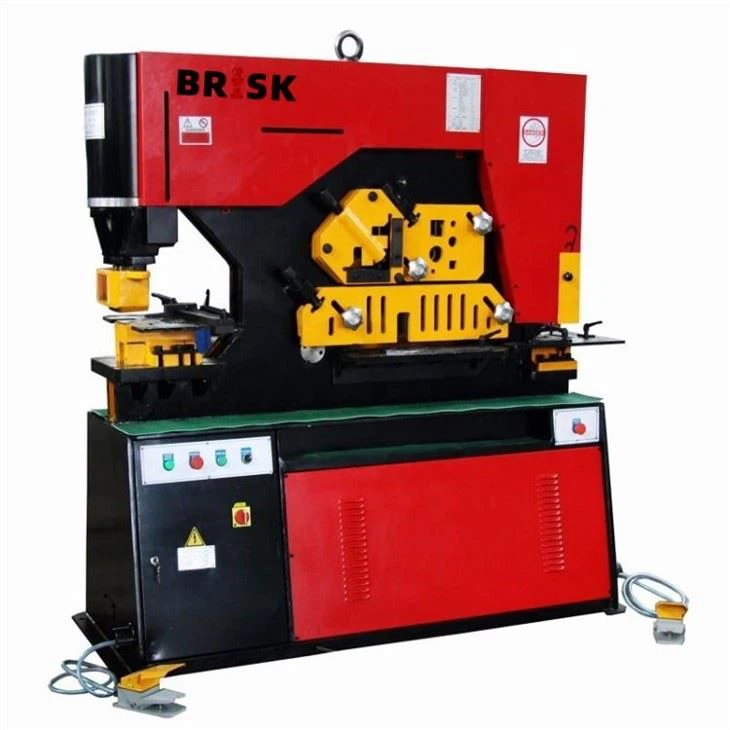
There are different types of sheet metal guillotines available in the market, including mechanical, hydraulic, and CNC (Computer Numerical Control) guillotines. Industrial CNC Hydraulic Shearing Machine offers high precision and automation, making them suitable for large-scale production. Hydraulic Metal Guillotine Cutter provide more power and are often used for cutting thicker metal sheets. Metal Punching and Shearing Machine combine the functions of punching and shearing, offering greater versatility.
Feasibility of Cutting Metal Sheets with Holes
The short answer is yes, a sheet metal guillotine can be used for cutting metal sheets with holes. However, there are several factors to consider before attempting to do so.
Hole Size and Spacing
The size and spacing of the holes in the metal sheet play a crucial role in determining whether a guillotine can be used effectively. If the holes are too large or too close together, they can weaken the structure of the metal sheet, causing it to deform or break during the cutting process. In such cases, the guillotine may not be able to produce a clean cut, and the edges of the cut may be jagged or uneven.
Metal Thickness
The thickness of the metal sheet is another important factor. Thicker metal sheets are generally more difficult to cut, especially if they have holes. The presence of holes can further reduce the strength of the metal, making it more prone to deformation. It's important to ensure that the guillotine you are using is capable of cutting the thickness of the metal sheet you are working with.
Blade Quality
The quality of the guillotine blades is essential for achieving a clean and precise cut. Dull or damaged blades can cause the metal sheet to tear or deform, especially when cutting perforated metal. It's important to regularly inspect and replace the blades to ensure optimal performance.
Considerations and Challenges
Deformation
As mentioned earlier, the presence of holes in the metal sheet can cause it to deform during the cutting process. This deformation can affect the accuracy of the cut and may also damage the guillotine blades. To minimize deformation, it's important to use proper clamping techniques to hold the metal sheet in place during cutting.
Burr Formation
Burrs are small, rough edges that can form on the cut surface of the metal sheet. When cutting perforated metal, burrs can be more pronounced, especially if the holes are close to the cutting line. Burrs can affect the quality of the finished product and may require additional processing to remove.
Tool Wear
Cutting metal sheets with holes can increase the wear and tear on the guillotine blades. The edges of the holes can cause the blades to chip or break, reducing their lifespan. It's important to monitor the condition of the blades regularly and replace them as needed to ensure consistent cutting performance.
Tips for Cutting Metal Sheets with Holes
Plan the Cutting Line
Before cutting the metal sheet, carefully plan the cutting line to avoid cutting through the holes. This can help minimize deformation and burr formation. If possible, try to cut between the holes to ensure a clean and precise cut.
Use Proper Clamping
Proper clamping is essential for holding the metal sheet in place during cutting. Use clamps that are strong enough to prevent the metal sheet from moving or shifting, but not so tight that they cause the metal to deform.
Adjust the Cutting Speed
The cutting speed can also affect the quality of the cut. When cutting perforated metal, it's often recommended to reduce the cutting speed to allow the blades to penetrate the metal more smoothly. This can help prevent deformation and burr formation.
Inspect the Blades Regularly
Regularly inspect the guillotine blades for signs of wear and damage. Replace the blades as soon as they start to show signs of dullness or chipping to ensure optimal cutting performance.
Conclusion
In conclusion, a sheet metal guillotine can be used for cutting metal sheets with holes, but it requires careful consideration and proper technique. By taking into account the hole size and spacing, metal thickness, blade quality, and following the tips mentioned above, you can achieve clean and precise cuts on perforated metal sheets.
If you are in the market for a high-quality sheet metal guillotine, we are here to help. Our company offers a wide range of guillotines, including Industrial CNC Hydraulic Shearing Machine, Hydraulic Metal Guillotine Cutter, and Metal Punching and Shearing Machine. Our products are designed to meet the needs of various industries and offer high precision, reliability, and performance.
If you have any questions or would like to discuss your specific requirements, please feel free to contact us. We look forward to working with you to find the perfect solution for your sheet metal cutting needs.
References
- ASM Handbook, Volume 16: Machining, ASM International
- Metalworking Handbook, Industrial Press Inc.
- Shearing Machine Operation Manuals, Various Manufacturers


