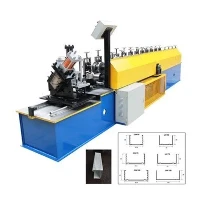
Hey there, folks! As a supplier of hydraulic press brakes, I've seen firsthand how crucial it is to keep these machines running smoothly. A hydraulic press brake is a workhorse in many metalworking shops, used for bending and shaping metal sheets with precision. But like any piece of heavy machinery, it can face issues that affect its stability during operation. In this blog, I'm gonna share some tips on how to ensure the stability of a hydraulic press brake while it's doing its job.
1. Proper Installation
First things first, getting the installation right is super important. A hydraulic press brake needs to be set up on a flat and sturdy surface. If the floor is uneven, it can cause the machine to wobble, which messes with the accuracy of the bends and can even lead to premature wear and tear on the components.
When installing the press brake, make sure to follow the manufacturer's instructions to the letter. This includes aligning the machine correctly and tightening all the bolts and fasteners properly. A loose bolt might not seem like a big deal at first, but over time, it can cause vibrations and instability.
2. Regular Maintenance
Maintenance is key to keeping any machine in good shape, and hydraulic press brakes are no exception. Regularly check the hydraulic fluid levels. Low fluid levels can lead to poor performance and overheating, which in turn can affect the stability of the machine. You should also inspect the fluid for any signs of contamination, like dirt or metal particles. If you find any, it's time to change the fluid.
The filters in the hydraulic system also need to be checked and replaced regularly. Clogged filters can restrict the flow of fluid, causing the machine to work harder and potentially become unstable. And don't forget about the seals! Leaking seals can lead to a loss of hydraulic pressure, which can make the press brake act erratically.
3. Tooling Inspection
The tooling on a hydraulic press brake plays a huge role in its stability. Dull or damaged tools can cause uneven pressure during the bending process, leading to instability and inaccurate bends. Make sure to inspect the tooling regularly for any signs of wear, such as chipping or cracking.


When installing new tooling, ensure that it is correctly aligned and securely fastened. Misaligned tooling can put extra stress on the machine, causing it to vibrate and become less stable. You can find a great selection of tooling for your hydraulic press brake on our website, including the Hydraulic Press Brake Machine and Hydraulic Press Bending Machine.
4. Operator Training
A well-trained operator is one of the best ways to ensure the stability of a hydraulic press brake. Operators should be familiar with the machine's controls, safety features, and operating limits. They should know how to set up the machine correctly for different bending jobs, including adjusting the backgauge and the ram speed.
Improper operation can put a lot of stress on the machine, leading to instability and potential damage. For example, if an operator tries to bend a piece of metal that is too thick or too wide for the machine's capacity, it can cause the press brake to malfunction. Make sure your operators receive regular training and refresher courses to keep their skills up to date.
5. Monitoring and Adjustment
During operation, it's important to monitor the hydraulic press brake for any signs of instability. This includes looking for vibrations, unusual noises, or changes in the machine's performance. If you notice any of these issues, stop the machine immediately and investigate the cause.
Some modern hydraulic press brakes come with built-in monitoring systems that can detect problems early on. These systems can alert the operator to issues like low hydraulic pressure or overheating, allowing them to take corrective action before the problem gets worse.
You should also make regular adjustments to the machine as needed. For example, if you notice that the bends are starting to become less accurate, you might need to adjust the backgauge or the ram speed. By staying on top of these adjustments, you can keep the machine running smoothly and stably.
6. Environmental Considerations
The environment in which the hydraulic press brake operates can also affect its stability. Extreme temperatures, humidity, and dust can all have an impact on the machine's performance. For example, high temperatures can cause the hydraulic fluid to thin out, reducing its effectiveness. On the other hand, low temperatures can make the fluid thicker, making it harder for the machine to operate.
Make sure the press brake is located in a well-ventilated area with a stable temperature and humidity level. If possible, use air conditioning or heating to maintain a comfortable environment for the machine. And don't forget to keep the area around the machine clean and free of dust and debris.
7. Upgrades and Modernization
As technology advances, it might be worth considering upgrading your hydraulic press brake to improve its stability. Newer models often come with features like advanced control systems, better hydraulic components, and improved tooling designs. These upgrades can make the machine more accurate, efficient, and stable.
For example, a Servo Electric Press Brake Machine offers more precise control and better energy efficiency compared to traditional hydraulic press brakes. By investing in these upgrades, you can ensure that your machine stays competitive and reliable in the long run.
Contact for Purchase and Consultation
If you're in the market for a new hydraulic press brake or need help with maintaining your existing machine, don't hesitate to reach out. We're here to provide you with the best products and services to meet your metalworking needs. Whether you're a small shop or a large manufacturing facility, we've got the expertise and the equipment to keep your operations running smoothly.
References
- Metalworking Machinery Handbook
- Hydraulic System Maintenance Guide
- Operator Training Manuals for Hydraulic Press Brakes