Hey there! As a supplier of sheet metal guillotines, I often get asked about just how accurate these machines really are. It's a great question, and one that's crucial for anyone in the metalworking industry. So, let's dive into the nitty - gritty and explore the accuracy of sheet metal guillotines.
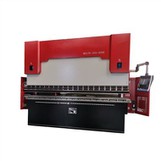
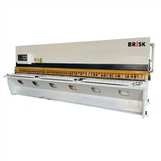
First off, what is a sheet metal guillotine? Well, it's a cutting machine used to slice through sheets of metal. You can find them in various metalworking shops, from small fabricators to large industrial plants. A Guillotine Shearing Machine is a key tool when it comes to getting precise cuts on metal sheets.
Accuracy in a sheet metal guillotine is determined by several factors. One of the main ones is the quality of the blades. High - quality blades are essential for accurate cuts. The sharper and more precisely ground the blades are, the cleaner and more accurate the cut will be. A dull blade can lead to rough edges, burrs, and uneven cuts, which are a big no - no in most metalworking projects.
The way the machine is constructed also plays a huge role in its accuracy. A well - built guillotine will have a sturdy frame that minimizes vibrations during the cutting process. Vibrations can cause the metal sheet to move slightly, resulting in inaccurate cuts. Think of it like trying to draw a straight line when your hand is shaking. It's just not going to work as well.
The hydraulic system in a Sheet Metal Guillotine Shearing Machine is another important factor. A good hydraulic system provides consistent pressure during the cutting operation. This consistent pressure ensures that the blade descends evenly across the metal sheet, giving you a more accurate cut. If the pressure fluctuates, it can lead to variations in the cut, such as one side being deeper than the other.
Let's talk about the accuracy in terms of measurement. In a high - end sheet metal guillotine, we're looking at accuracies within a few thousandths of an inch. That's incredibly precise! For example, in industries where components need to fit together perfectly, like aerospace or automotive manufacturing, this level of accuracy is non - negotiable. I once had a customer who was making small parts for an aircraft engine. They needed the cuts to be extremely accurate to ensure the proper functioning of the engine. Our sheet metal guillotine was able to meet their strict requirements, and they were really happy with the results.
However, achieving this level of accuracy isn't always a walk in the park. There are some external factors that can affect the accuracy of the cuts. The type and thickness of the metal being cut is one such factor. Different metals have different properties. For instance, stainless steel is harder and more difficult to cut compared to aluminum. The thickness of the metal also matters. Thicker sheets require more force to cut, and this can sometimes lead to slight deformations in the metal, which in turn can affect the accuracy of the cut.


The operator of the machine also plays a significant role. A skilled operator knows how to set up the machine correctly, adjust the blade clearance according to the type and thickness of the metal, and position the metal sheet accurately. On the other hand, an inexperienced operator might make mistakes that can compromise the accuracy of the cuts. It's like having a great tool but not knowing how to use it properly.
Now, let's compare the accuracy of sheet metal guillotines with other cutting methods. There are other ways to cut metal, like using a Metal Punching and Shearing Machine. While punching and shearing machines are great for certain applications, they might not offer the same level of accuracy as a dedicated sheet metal guillotine in some cases. Guillotines are designed specifically for straight cuts on flat sheets, and they can often achieve a higher degree of precision.
In some situations, you might need to make multiple cuts on a single sheet of metal. A good sheet metal guillotine can maintain its accuracy throughout these multiple cuts. This is important because if the accuracy starts to decline after a few cuts, you'll end up with parts that don't fit together properly.
Another aspect to consider is the repeatability of the cuts. A reliable sheet metal guillotine should be able to make the same cut over and over again with a high degree of accuracy. This is crucial for mass - production scenarios. If you're making hundreds or thousands of the same part, you need to be sure that each one is cut to the exact same specifications.
So, how can you ensure that you're getting the most accurate cuts from your sheet metal guillotine? Regular maintenance is key. Keep the blades sharp, check and adjust the hydraulic system, and make sure the machine is clean and free of debris. Also, invest in proper training for your operators. The more knowledgeable they are, the better they'll be at getting accurate cuts.
To sum it all up, a high - quality sheet metal guillotine can be extremely accurate. With the right combination of good blades, a sturdy construction, a reliable hydraulic system, a skilled operator, and proper maintenance, you can achieve cuts that meet even the most demanding precision requirements.
If you're in the market for a sheet metal guillotine and want to discuss your needs, whether it's for small - scale projects or large - scale industrial applications, don't hesitate to reach out. We're here to help you find the perfect machine that will give you the accuracy you need for your metalworking tasks.
References
- Metalworking Machinery Handbook
- Guide to Precision Cutting in the Metal Industry