

In the world of metal fabrication, the hydraulic metal shear cutter stands as a cornerstone of efficiency and precision. As a leading supplier of metal shear cutters, I am excited to delve into the inner workings of these remarkable machines and share how they transform large sheets and bars of metal into the precise components we need.
Basic Principles of Hydraulics
Before we can understand how a hydraulic metal shear cutter operates, it's essential to grasp the basic principles of hydraulics. Hydraulics is a technology that uses liquids, typically oil, to transmit power. The fundamental concept is based on Pascal's Law, which states that when pressure is applied to a confined fluid, the pressure change occurs throughout the entire fluid.
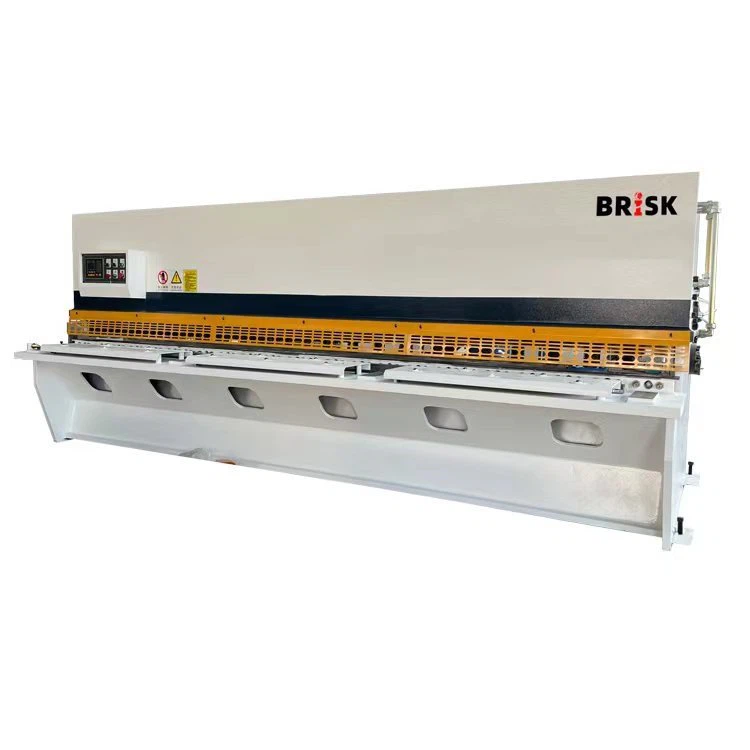

In a hydraulic system, a pump is used to create pressure by forcing fluid into a cylinder. This pressure then acts on a piston within the cylinder, causing it to move. The movement of the piston can be used to perform work, such as cutting metal. The advantage of hydraulic systems lies in their ability to generate a large amount of force with relatively small components.
Components of a Hydraulic Metal Shear Cutter
A hydraulic metal shear cutter consists of several key components, each playing a crucial role in its operation:
- Hydraulic Pump: This is the heart of the hydraulic system. The pump is responsible for drawing in hydraulic fluid from a reservoir and then pressurizing it. There are different types of pumps used in hydraulic metal shear cutters, such as gear pumps, vane pumps, and piston pumps. The choice of pump depends on the specific requirements of the machine, such as the required pressure and flow rate.
- Hydraulic Cylinders: These are the actuators of the system. The pressurized hydraulic fluid from the pump is directed into the cylinders, where it acts on the pistons. The cylinders are designed to convert the hydraulic energy into mechanical force, which is used to drive the cutting blade.
- Cutting Blade: The cutting blade is the part of the machine that actually cuts the metal. It is typically made of high - strength steel and is designed with a sharp edge to ensure clean and precise cuts. The blade can be either straight or curved, depending on the type of cutting operation required.
- Frame and Bed: The frame and bed provide the structural support for the entire machine. They are designed to withstand the high forces generated during the cutting process. The bed is where the metal workpiece is placed, and it is usually equipped with guides to ensure accurate positioning of the workpiece.
- Control System: The control system allows the operator to control the operation of the machine. It includes valves that regulate the flow and pressure of the hydraulic fluid, as well as switches and sensors that monitor the machine's status. Modern hydraulic metal shear cutters often feature advanced control systems that can be programmed to perform specific cutting operations.
The Working Process of a Hydraulic Metal Shear Cutter
The working process of a hydraulic metal shear cutter can be divided into several stages:
- Loading the Workpiece: The operator first places the metal workpiece on the bed of the machine. The workpiece is then positioned accurately using the guides provided on the bed. Proper positioning is crucial to ensure that the cut is made at the desired location and with the correct dimensions.
- Applying Pressure: Once the workpiece is in place, the operator activates the hydraulic pump. The pump starts to draw in hydraulic fluid from the reservoir and pressurize it. The pressurized fluid is then directed to the hydraulic cylinders.
- Moving the Blade: The pressurized fluid in the cylinders acts on the pistons, causing them to move. This movement of the pistons is transferred to the cutting blade. The blade starts to descend towards the metal workpiece with a high amount of force.
- Cutting the Metal: As the blade comes into contact with the metal, it applies a shearing force to the material. The sharp edge of the blade cuts through the metal, separating it into two pieces. The cutting process is controlled by the force applied by the hydraulic cylinders and the speed at which the blade moves.
- Returning the Blade: After the cut is made, the hydraulic system reverses the flow of fluid in the cylinders. This causes the pistons and the cutting blade to return to their original position. The operator can then remove the cut pieces of metal from the bed and prepare for the next cutting operation.
Different Types of Hydraulic Metal Shear Cutters
There are several types of hydraulic metal shear cutters available in the market, each designed for specific applications:
- Metal CNC Shear Cutter: These machines are equipped with computer numerical control (CNC) systems, which allow for highly precise and automated cutting operations. CNC shear cutters can be programmed to cut complex shapes and patterns with high accuracy. They are often used in industries where precision is of utmost importance, such as aerospace and automotive manufacturing.
- Hydraulic Guillotine Sheet Shearing Machine: These machines are designed for cutting large sheets of metal. They feature a straight cutting blade that moves vertically downwards to shear the sheet metal. Hydraulic guillotine sheet shearing machines are commonly used in metal fabrication shops for cutting sheet metal into various sizes for further processing.
- Automatic Hydraulic Swing Beam Shearing Machine: This type of machine has a swinging beam that holds the cutting blade. The swinging motion of the beam allows for a larger cutting capacity and better control of the cutting process. Automatic hydraulic swing beam shearing machines are suitable for cutting thick and heavy metal plates.
Advantages of Hydraulic Metal Shear Cutters
Hydraulic metal shear cutters offer several advantages over other types of cutting machines:
- High Cutting Force: The hydraulic system allows these machines to generate a large amount of cutting force, which makes them suitable for cutting thick and hard metals.
- Precision and Accuracy: The use of hydraulic cylinders and advanced control systems enables precise control of the cutting process. This results in accurate cuts with minimal tolerances.
- Versatility: There are different types of hydraulic metal shear cutters available, each designed to handle a variety of metal types and thicknesses. They can be used for cutting sheets, bars, pipes, and other metal profiles.
- Safety: Hydraulic metal shear cutters are equipped with safety features such as guards and emergency stop buttons to protect the operator from potential hazards.
Maintenance and Safety Considerations
To ensure the proper functioning and longevity of a hydraulic metal shear cutter, regular maintenance is essential. This includes checking the hydraulic fluid level and quality, inspecting the cutting blade for wear and tear, and lubricating the moving parts. It is also important to follow the manufacturer's instructions for maintenance and servicing.
Safety is of utmost importance when operating a hydraulic metal shear cutter. Operators should wear appropriate personal protective equipment, such as safety glasses, gloves, and ear protection. They should also be trained on the proper operation of the machine and the safety procedures to follow.
Contact for Purchase and Negotiation
If you are in the market for a high - quality hydraulic metal shear cutter, we are here to assist you. Our extensive range of products, including Metal CNC Shear Cutter, Hydraulic Guillotine Sheet Shearing Machine, and Automatic Hydraulic Swing Beam Shearing Machine, can meet your specific needs. We have a team of experts who can provide you with detailed information about our products and help you choose the right one for your application. Contact us today to start the negotiation process and take your metal fabrication operations to the next level.
References
- Smith, J. (2020). Hydraulic Systems in Metal Fabrication. Mechanical Engineering Journal, 35(2), 45 - 52.
- Johnson, R. (2019). Principles of Hydraulics for Industrial Machines. Industrial Technology Press.
- Brown, A. (2021). Metal Cutting Technologies: A Comprehensive Guide. Manufacturing World Publications.


