

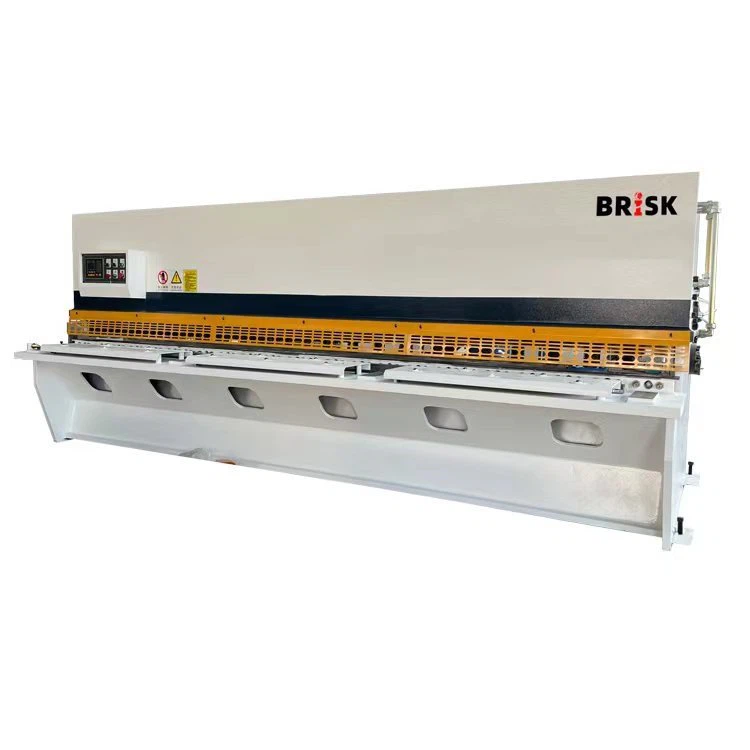
Regular maintenance is crucial for the optimal performance and longevity of metal shear cutters. As a trusted supplier of high - quality metal shear cutters, including Metal CNC Shear Cutter, Automatic Hydraulic Swing Beam Shearing Machine, and Hydraulic Guillotine Sheet Shearing Machine, I'm here to provide you with in - depth insights into how often you should maintain your equipment.
Factors Affecting Maintenance Frequency
Usage Intensity
The frequency of use is a primary factor in determining maintenance intervals. If your metal shear cutter is in continuous operation for long hours each day, it will naturally experience more wear and tear compared to one that is used sporadically. For instance, in a large - scale manufacturing plant where the shear cutter runs for multiple shifts, daily or weekly inspections and minor maintenance tasks are essential. On the other hand, a small - scale workshop that uses the cutter only a few hours a week can extend the maintenance intervals to bi - weekly or monthly.
Material Type
The type of metal being cut also impacts maintenance requirements. Cutting hard metals like stainless steel or high - carbon steel generates more heat and friction than cutting softer metals such as aluminum or copper. This increased stress on the cutting blades and other components means that more frequent maintenance is needed. For example, when cutting hard metals, you may need to check and sharpen the blades every few days, while cutting softer metals might allow for blade checks every one or two weeks.
Environmental Conditions
The environment in which the metal shear cutter operates plays a significant role. If the machine is located in a dirty or dusty environment, debris can accumulate on the moving parts, leading to premature wear. In such cases, more frequent cleaning and lubrication are necessary. Similarly, high - humidity environments can cause corrosion, so regular inspections for rust and appropriate anti - rust treatments should be carried out. For a machine in a clean, climate - controlled environment, the maintenance intervals can be relatively longer.

Recommended Maintenance Schedules
Daily Maintenance
- Visual Inspection: At the start of each working day, conduct a quick visual inspection of the metal shear cutter. Check for any signs of loose parts, leaks, or damage. Look at the cutting blades for chips or excessive wear. This simple step can help you identify potential problems early and prevent major breakdowns.
- Cleaning: Remove any metal scraps or debris from the work area and the machine itself. Use a brush or compressed air to clean hard - to - reach areas. This helps to prevent the accumulation of debris that can interfere with the machine's operation.
- Lubrication Check: Ensure that all lubrication points are properly filled. Lubrication reduces friction and wear on moving parts, such as the blade guides and the hydraulic cylinders. If the lubricant level is low, top it up according to the manufacturer's recommendations.
Weekly Maintenance
- Blade Inspection and Adjustment: Examine the cutting blades for wear and alignment. If the blades show signs of dullness or uneven wear, they may need to be sharpened or replaced. Also, check the blade clearance and make any necessary adjustments to ensure clean and accurate cuts.
- Hydraulic System Check: Inspect the hydraulic hoses for leaks, cracks, or signs of damage. Check the hydraulic fluid level and its condition. If the fluid is dirty or has a milky appearance, it may need to be changed. A well - maintained hydraulic system is essential for the smooth operation of the shear cutter.
- Electrical System Inspection: Look for loose connections, frayed wires, or any signs of electrical problems. Check the control panel and switches to ensure they are functioning properly. Electrical issues can lead to malfunctions or even safety hazards, so it's important to address them promptly.
Monthly Maintenance
- Component Tightening: Check all the bolts and nuts on the machine and tighten them if necessary. Vibration during operation can cause these fasteners to loosen over time, which can affect the stability and performance of the shear cutter.
- Filter Replacement: Replace the filters in the hydraulic system and the air intake. Clogged filters can reduce the efficiency of the machine and cause damage to the components. Regular filter replacement ensures proper fluid flow and air quality.
- Performance Testing: Conduct a performance test of the metal shear cutter. Cut a sample piece of metal and check the quality of the cut, including the straightness, burrs, and accuracy. If there are any issues with the cut quality, further investigation and adjustments may be required.
Quarterly and Annual Maintenance
- Major Component Inspection: Every quarter, perform a more in - depth inspection of the major components such as the frame, the drive system, and the cutting mechanism. Look for signs of fatigue, stress cracks, or excessive wear. Annual maintenance should involve a comprehensive overhaul of the machine, including disassembly, cleaning, and replacement of worn - out parts.
- Calibration: Calibrate the machine to ensure its accuracy and precision. Over time, the settings of the shear cutter may drift, leading to inaccurate cuts. Regular calibration helps to maintain the quality of the cuts and the overall performance of the machine.
Benefits of Regular Maintenance
- Extended Equipment Lifespan: By following a regular maintenance schedule, you can significantly extend the lifespan of your metal shear cutter. Proper lubrication, cleaning, and timely replacement of worn parts reduce the stress on the machine and prevent premature failure.
- Improved Cutting Quality: Well - maintained cutting blades and accurately calibrated components ensure clean, straight, and precise cuts. This is essential for producing high - quality products and reducing waste.
- Enhanced Safety: Regular maintenance helps to identify and address potential safety hazards, such as loose parts, electrical problems, or hydraulic leaks. A safe working environment not only protects your employees but also reduces the risk of accidents and downtime.
- Cost Savings: Although maintenance requires an investment of time and resources, it can save you money in the long run. Preventive maintenance reduces the likelihood of major breakdowns, which can be costly to repair. It also helps to optimize the energy consumption of the machine, leading to lower operating costs.
Conclusion
In conclusion, the frequency of maintaining your metal shear cutter depends on several factors, including usage intensity, material type, and environmental conditions. By following the recommended daily, weekly, monthly, quarterly, and annual maintenance schedules, you can ensure the optimal performance, longevity, and safety of your equipment.
If you are in the market for a new metal shear cutter or need further advice on maintenance, we are here to help. Our team of experts can provide you with detailed information and support. Contact us to discuss your specific requirements and start a procurement negotiation today. We look forward to serving you and helping you find the perfect metal shear cutter solution for your business.
References
- "Maintenance Guidelines for Industrial Metalworking Equipment", Industry Standards Publication
- Manufacturer's Manuals for Metal Shear Cutters


