

As a supplier of shear cutting machines, I understand the critical importance of adjusting cutting parameters correctly. Proper parameter adjustment not only ensures the quality of the cut but also extends the lifespan of the machine and enhances overall productivity. In this blog, I'll share some valuable insights on how to adjust the cutting parameters of a shear cutting machine.
Understanding the Basics of Shear Cutting Machines
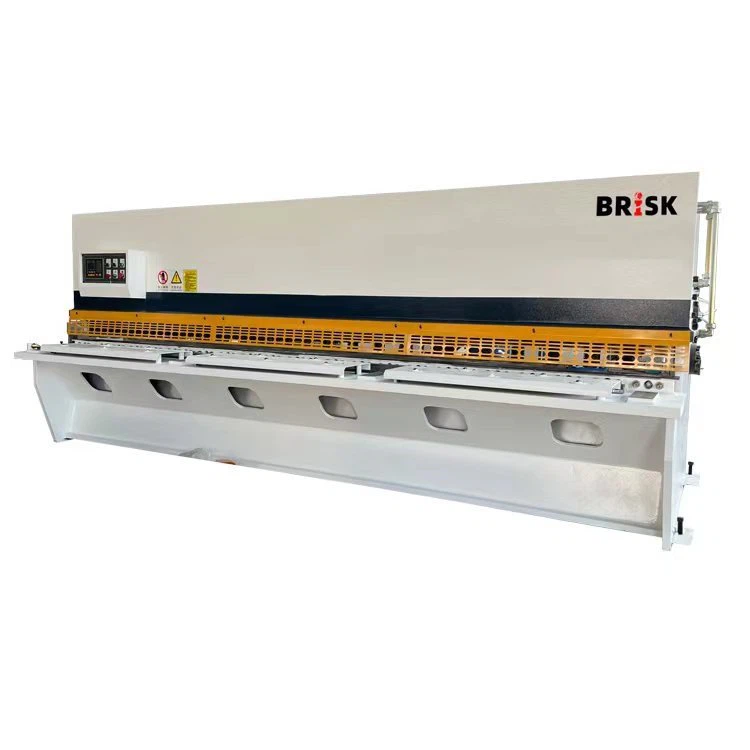
Before delving into parameter adjustment, it's essential to have a basic understanding of shear cutting machines. Shear cutting machines are used to cut various materials, such as metal sheets, plates, and bars, by applying a shearing force. There are different types of shear cutting machines, including Aluminum Shear Cutting Machine, Hydraulic Guillotine Sheet Shearing Machine, and Benchtop Metal Shear Machine. Each type has its own characteristics and is suitable for specific applications.
Key Cutting Parameters and Their Impact
Cutting Speed
Cutting speed refers to the speed at which the cutting blade moves through the material. It is a crucial parameter that affects the quality of the cut and the tool life. A higher cutting speed can increase productivity, but it may also lead to a rougher cut surface and faster tool wear. On the other hand, a lower cutting speed can result in a smoother cut but may reduce productivity.
To determine the optimal cutting speed, you need to consider several factors, such as the type of material being cut, the thickness of the material, and the type of cutting blade. For example, when cutting soft materials like aluminum, a higher cutting speed can be used, while for harder materials like stainless steel, a lower cutting speed is recommended.
Blade Clearance
Blade clearance is the distance between the upper and lower cutting blades. It plays a significant role in the quality of the cut and the life of the blades. If the blade clearance is too large, the material may be deformed or torn during the cutting process, resulting in a poor cut quality. If the blade clearance is too small, the blades may rub against each other, causing excessive wear and damage.
The optimal blade clearance depends on the thickness and type of the material being cut. Generally, for thinner materials, a smaller blade clearance is required, while for thicker materials, a larger blade clearance is needed. You can refer to the machine's manual or consult with the manufacturer to determine the appropriate blade clearance for your specific application.

Cutting Angle
The cutting angle is the angle at which the cutting blade contacts the material. It affects the cutting force, the quality of the cut, and the tool life. A smaller cutting angle can reduce the cutting force and result in a smoother cut, but it may also increase the risk of blade breakage. A larger cutting angle can increase the cutting force but may lead to a rougher cut surface.
The optimal cutting angle depends on the type of material being cut and the design of the cutting blade. For most materials, a cutting angle between 20° and 30° is commonly used. However, for some special materials or applications, a different cutting angle may be required.
Steps to Adjust Cutting Parameters
Step 1: Analyze the Material
Before adjusting the cutting parameters, you need to analyze the material being cut. Determine the type of material, its thickness, hardness, and other properties. This information will help you select the appropriate cutting parameters.
Step 2: Refer to the Machine Manual
The machine manual is a valuable resource that provides detailed information about the machine's operation and parameter adjustment. Refer to the manual to find the recommended cutting parameters for the material you are cutting. Make sure to follow the instructions carefully to avoid damaging the machine or affecting the cut quality.
Step 3: Make Initial Adjustments
Based on the information from the material analysis and the machine manual, make the initial adjustments to the cutting parameters. Start with the cutting speed, blade clearance, and cutting angle. Set these parameters to the recommended values and test the machine with a small piece of the material.
Step 4: Evaluate the Cut Quality
After making the initial adjustments, evaluate the cut quality. Check the cut surface for smoothness, burrs, and deformation. If the cut quality is not satisfactory, make further adjustments to the cutting parameters. You may need to increase or decrease the cutting speed, adjust the blade clearance, or change the cutting angle.
Step 5: Fine-Tune the Parameters
Continue to fine-tune the cutting parameters until you achieve the desired cut quality. This may require several iterations of testing and adjustment. Keep in mind that small changes in the cutting parameters can have a significant impact on the cut quality, so make adjustments gradually.
Step 6: Document the Parameters
Once you have determined the optimal cutting parameters for the material, document them for future reference. This will help you ensure consistent cut quality and save time when cutting the same material in the future.
Tips for Adjusting Cutting Parameters
- Regular Maintenance: Keep the machine in good condition by performing regular maintenance. This includes cleaning the machine, lubricating the moving parts, and inspecting the blades for wear and damage. A well-maintained machine will perform better and require fewer parameter adjustments.
- Use Quality Blades: Invest in high-quality cutting blades. Quality blades are more durable and can provide a better cut quality. Make sure to choose the right type of blade for the material you are cutting.
- Monitor the Machine: During the cutting process, monitor the machine closely. Pay attention to any unusual noises, vibrations, or changes in the cut quality. If you notice any problems, stop the machine immediately and make the necessary adjustments.
- Seek Professional Help: If you are unsure about how to adjust the cutting parameters or if you encounter any problems, seek professional help. You can contact the machine manufacturer or a qualified technician for assistance.
Conclusion
Adjusting the cutting parameters of a shear cutting machine is a critical process that requires careful consideration and attention to detail. By understanding the key cutting parameters and following the steps outlined in this blog, you can ensure the quality of the cut, extend the lifespan of the machine, and enhance overall productivity.
If you are interested in purchasing a shear cutting machine or need further assistance with parameter adjustment, please feel free to contact us. Our team of experts is ready to help you find the right solution for your specific needs.
References
- Machinery's Handbook, 31st Edition
- Shear Cutting Machine Manufacturer's Manuals


