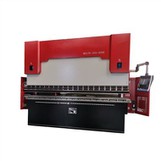
Hey there! As a supplier of NC Press Brakes, I often get asked about how to adjust the synchronization of the double - cylinder of an NC Press Brake. It's a crucial aspect that can greatly affect the performance and precision of the machine. So, let's dive right into it.
First off, let's understand why double - cylinder synchronization is so important. In an NC Press Brake, the double cylinders work together to apply force evenly across the length of the bending tool. If the synchronization is off, you'll end up with uneven bends, which can lead to poor - quality products and even damage to the machine over time.
Understanding the Basics of Double - Cylinder Synchronization
The double - cylinder system in an NC Press Brake consists of two hydraulic cylinders that are supposed to move in tandem. They are connected to a hydraulic system that controls the flow of hydraulic fluid to each cylinder. The synchronization is achieved through a combination of mechanical, hydraulic, and electronic components.
Mechanical Components
The mechanical parts of the system include the cylinders themselves, the pistons, and the connecting rods. These parts need to be in good condition and properly aligned. Any wear and tear on the pistons or misalignment of the connecting rods can cause synchronization issues. For example, if the connecting rod on one cylinder is slightly bent, it can cause that cylinder to move at a different rate than the other.
Hydraulic Components
The hydraulic system is the heart of the double - cylinder synchronization. It includes the hydraulic pump, valves, and hoses. The pump supplies the hydraulic fluid, and the valves control the flow of the fluid to each cylinder. A problem with the pump, such as a loss of pressure, or a malfunctioning valve can disrupt the synchronization. For instance, if one of the valves is stuck open or closed, it can cause an uneven flow of fluid to the cylinders.
Electronic Components
Modern NC Press Brakes rely heavily on electronic controls to achieve precise synchronization. These controls use sensors to monitor the position and movement of each cylinder. The sensors send signals to a control unit, which then adjusts the flow of hydraulic fluid to each cylinder accordingly. If the sensors are not working properly or the control unit has a glitch, it can lead to synchronization problems.
Steps to Adjust the Synchronization
Now that we understand the basics, let's go through the steps to adjust the synchronization of the double - cylinder of an NC Press Brake.
Step 1: Initial Inspection
Before you start making any adjustments, it's important to do a thorough inspection of the machine. Check the mechanical components for any signs of wear or damage. Look at the hydraulic hoses for leaks and the valves for proper operation. Also, check the electronic sensors and the control unit for any error messages.
Step 2: Zeroing the Cylinders
The first step in the adjustment process is to zero the cylinders. This means making sure that both cylinders are at the same starting position. Most NC Press Brakes have a zero - setting function in the control panel. You can use this function to move the cylinders to their zero positions.
Step 3: Manual Adjustment
If the synchronization is only slightly off, you may be able to make a manual adjustment. This can be done by adjusting the flow control valves on the hydraulic system. These valves are usually located near the cylinders. You can use a small wrench to turn the valves slightly to increase or decrease the flow of fluid to each cylinder. Make small adjustments and test the machine after each adjustment to see if the synchronization improves.


Step 4: Electronic Calibration
If manual adjustment doesn't work, you may need to perform an electronic calibration. This involves using the control panel of the NC Press Brake to access the calibration menu. In the calibration menu, you can use the sensors to measure the position and movement of each cylinder. The control unit will then calculate the necessary adjustments and make them automatically.
Step 5: Testing and Fine - Tuning
After making the adjustments, it's important to test the machine. You can do this by bending a test piece of metal. Check the quality of the bend to see if it's even across the length of the piece. If there are still some minor synchronization issues, you can go back and make further fine - tuning adjustments.
Troubleshooting Common Synchronization Problems
Even after following the adjustment steps, you may still encounter some common synchronization problems. Here are some troubleshooting tips:
Uneven Bends
If you notice that the bends are uneven, it could be due to a number of factors. First, check the mechanical components for any misalignment. Then, look at the hydraulic system for any leaks or valve malfunctions. Also, make sure that the electronic sensors are working properly.
Cylinder Drift
Cylinder drift occurs when one cylinder moves slightly on its own without any input from the control system. This can be caused by a leak in the hydraulic system or a problem with the electronic controls. Check the hydraulic hoses and valves for leaks, and test the sensors and control unit.
Noisy Operation
If the machine is making a lot of noise during operation, it could be a sign of a synchronization problem. The noise could be coming from the hydraulic pump, the valves, or the cylinders themselves. Check the hydraulic fluid level and the condition of the pump. Also, look for any loose or vibrating parts.
Importance of Regular Maintenance
Regular maintenance is key to ensuring the proper synchronization of the double - cylinder of an NC Press Brake. Here are some maintenance tips:
Mechanical Maintenance
Regularly inspect the mechanical components for wear and tear. Lubricate the moving parts, such as the pistons and connecting rods, to reduce friction. Replace any worn - out parts as soon as possible.
Hydraulic Maintenance
Check the hydraulic fluid level regularly and change the fluid according to the manufacturer's recommendations. Inspect the hoses and valves for leaks and damage. Clean or replace the filters to prevent contaminants from entering the hydraulic system.
Electronic Maintenance
Keep the electronic components clean and free from dust and moisture. Check the sensors and the control unit for any error messages. Update the software of the control unit if necessary.
Conclusion
Adjusting the synchronization of the double - cylinder of an NC Press Brake is a complex but essential task. By understanding the mechanical, hydraulic, and electronic components of the system and following the proper adjustment steps, you can ensure that your machine operates at its best.
If you're in the market for a high - quality NC Press Brake or need further assistance with synchronization adjustment, feel free to reach out to us. We're here to help you get the most out of your machine. Whether you're looking for a CNC Hydraulic Metal Sheet Bending Machine or a Hydraulic Sheet Metal Press Brake, we've got you covered. Contact us today to start a procurement discussion and find the perfect solution for your bending needs.
References
- "Hydraulic Press Brake Handbook" - A comprehensive guide on the operation and maintenance of hydraulic press brakes.
- Manufacturer's Manuals for NC Press Brakes - These manuals provide detailed information on the specific models and their synchronization systems.