Hey there! As a supplier of plate rollers, I often get asked about how to check the alignment of the rollers in a plate roller. It's a crucial aspect that can significantly impact the quality of your metal plate bending operations. In this blog, I'll share some practical steps and tips on how to do it right.
Why Roller Alignment Matters
Before we dive into the checking process, let's quickly understand why roller alignment is so important. When the rollers in a plate roller are properly aligned, they ensure uniform pressure distribution across the metal plate. This results in consistent bending, fewer defects, and a higher-quality end product. On the other hand, misaligned rollers can cause uneven bending, wrinkling, and even damage to the plate and the machine itself. So, keeping those rollers in check is definitely worth the effort.
Tools You'll Need
To check the alignment of the rollers, you'll need a few basic tools. Here's what you should have on hand:
- Straightedge: A long, straight bar that you can use to check the straightness of the rollers.
- Feeler Gauges: These are thin strips of metal of varying thicknesses that you can use to measure small gaps between the rollers and the straightedge.
- Dial Indicator: This tool is used to measure small displacements and can help you detect any misalignment more accurately.
- Cleaning Supplies: You'll need some rags and a suitable cleaning solvent to clean the rollers before checking the alignment.
Step-by-Step Guide to Checking Roller Alignment
Step 1: Prepare the Machine
First things first, make sure the plate roller is turned off and unplugged for safety. Then, use the cleaning supplies to thoroughly clean the surface of the rollers. Remove any dirt, debris, or metal shavings that may have accumulated on the rollers. This will ensure accurate measurements and prevent any interference during the alignment check.
Step 2: Check the Horizontal Alignment
Place the straightedge across the top of the rollers, parallel to the axis of the machine. Make sure the straightedge is in contact with the entire length of the rollers. Use the feeler gauges to measure the gap between the straightedge and the rollers at several points along their length. The gap should be consistent across the entire length of the rollers. If you notice any significant variations in the gap, it indicates that the rollers are not horizontally aligned.
To adjust the horizontal alignment, most plate rollers have adjustment screws or bolts on the side of the machine. Use a wrench to loosen the locking nuts and then turn the adjustment screws to move the rollers into the correct position. Check the alignment again using the straightedge and feeler gauges until the gap is consistent. Once you're satisfied with the alignment, tighten the locking nuts to secure the rollers in place.
Step 3: Check the Vertical Alignment
Next, you'll need to check the vertical alignment of the rollers. This is important to ensure that the metal plate is bent evenly along its thickness. To do this, use the dial indicator. Mount the dial indicator on a stable surface near the rollers and position the probe so that it touches the surface of the roller.
Rotate the roller slowly and observe the reading on the dial indicator. The reading should remain relatively constant as the roller rotates. If the reading fluctuates significantly, it indicates that the roller is not vertically aligned. To adjust the vertical alignment, some plate rollers have adjustment mechanisms at the ends of the rollers. Follow the manufacturer's instructions to make the necessary adjustments and check the alignment again using the dial indicator until the reading is stable.
Step 4: Check the Parallelism of the Rollers
In addition to horizontal and vertical alignment, it's also important to check the parallelism of the rollers. This ensures that the metal plate is bent uniformly across its width. To check the parallelism, use the straightedge and feeler gauges again. Place the straightedge across the rollers at a right angle to their axis and measure the gap between the straightedge and the rollers at several points along their width.
The gap should be consistent across the entire width of the rollers. If you notice any variations in the gap, it indicates that the rollers are not parallel. To adjust the parallelism, use the adjustment screws or bolts on the side of the machine, just like you did for the horizontal alignment. Make small adjustments and check the parallelism again until the gap is consistent.
Step 5: Recheck and Finalize
Once you've made all the necessary adjustments, recheck the alignment of the rollers using all the methods described above. Make sure the horizontal alignment, vertical alignment, and parallelism are all within the acceptable tolerance range. If everything looks good, you're ready to start using your plate roller again.
Tips and Tricks
- Regular Maintenance: Make roller alignment checks a part of your regular maintenance routine. This will help you catch any alignment issues early on and prevent them from causing more serious problems.
- Follow the Manufacturer's Instructions: Every plate roller is different, so it's important to follow the manufacturer's instructions when checking and adjusting the roller alignment. This will ensure that you're doing it correctly and avoid any damage to the machine.
- Use Quality Tools: Invest in high-quality tools for checking the roller alignment. This will make the process easier and more accurate.
- Take Your Time: Checking and adjusting the roller alignment can be a time-consuming process, but it's worth it to ensure the quality of your bending operations. Don't rush through the process and take the time to do it right.
Conclusion
Checking the alignment of the rollers in a plate roller is an important part of maintaining the machine and ensuring high-quality metal plate bending. By following the steps and tips outlined in this blog, you can easily check and adjust the roller alignment to keep your plate roller running smoothly.
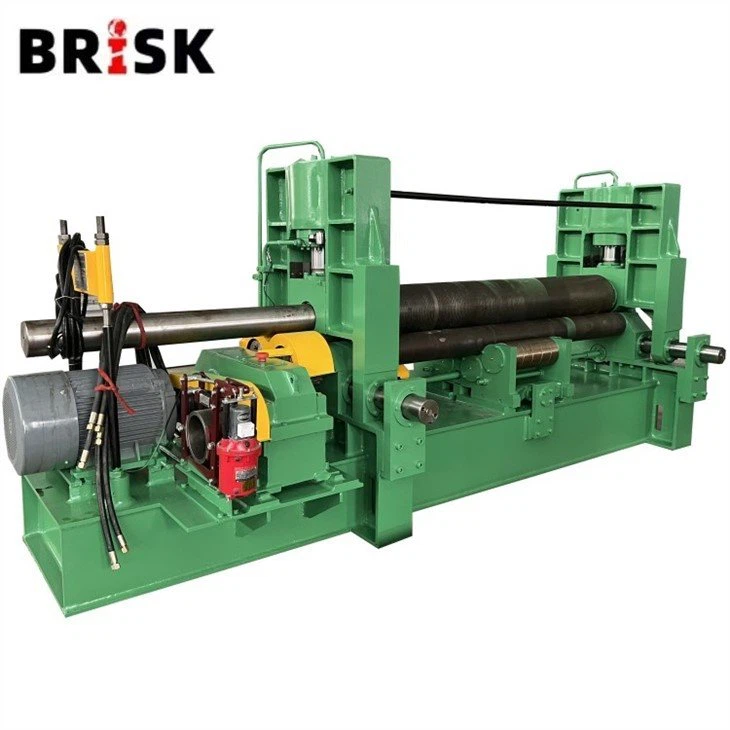
If you're in the market for a new plate roller or need any assistance with your existing machine, don't hesitate to contact us. We're a leading supplier of Metal Plate Rolling Bending Machine and have a team of experts who can help you find the right solution for your needs. We offer a wide range of plate rollers with different specifications and features to suit various applications. Whether you're a small workshop or a large manufacturing facility, we have the perfect plate roller for you.

References
- Manufacturer's manual for the plate roller
- Industry standards for roller alignment in plate rolling machines