

Lubricating the moving parts of a sheet metal guillotine is a crucial maintenance task that can significantly enhance the machine's performance, extend its lifespan, and ensure the safety of operators. As a trusted sheet metal guillotine supplier, we understand the importance of proper lubrication and are here to guide you through the process.
Understanding the Importance of Lubrication
Before delving into the lubrication process, it's essential to understand why lubrication is so important for a sheet metal guillotine. Moving parts in the guillotine, such as the blade mechanism, hydraulic cylinders, and guide rails, are subject to friction and wear during operation. Friction can generate heat, which may lead to premature wear of the components, reduced cutting accuracy, and even mechanical failures. Lubrication helps to reduce friction, dissipate heat, and prevent corrosion, thereby maintaining the machine's efficiency and reliability.

Selecting the Right Lubricant
The first step in lubricating a sheet metal guillotine is to choose the appropriate lubricant. The type of lubricant you select will depend on several factors, including the specific components being lubricated, the operating conditions, and the manufacturer's recommendations.
- Hydraulic Oil: For the hydraulic system of the guillotine, a high - quality hydraulic oil is essential. Hydraulic oil not only lubricates the hydraulic cylinders and pumps but also transfers power within the system. It should have good anti - wear properties, oxidation resistance, and viscosity stability. Make sure to use the hydraulic oil recommended by the machine's manufacturer, as different models may require oils with specific viscosity grades.
- Grease: Grease is often used for lubricating bearings, joints, and other components that require long - term lubrication. It provides a thick film of lubrication that can withstand high loads and prevent contaminants from entering the components. When choosing grease, consider factors such as its consistency, dropping point, and compatibility with the materials of the components.
Lubrication Points and Procedures
1. Hydraulic System
The hydraulic system is the heart of a modern sheet metal guillotine, and proper lubrication of this system is critical for its smooth operation.
- Check the Oil Level: Regularly check the hydraulic oil level in the reservoir. The oil level should be within the recommended range indicated on the sight glass or dipstick. If the oil level is low, add the appropriate hydraulic oil to bring it to the correct level.
- Change the Hydraulic Oil: Over time, hydraulic oil can become contaminated with dirt, debris, and moisture, which can reduce its lubricating properties and cause damage to the hydraulic components. Follow the manufacturer's recommendations for changing the hydraulic oil. Typically, the hydraulic oil should be changed every 1 - 2 years, depending on the usage frequency and operating conditions.
- Filter Replacement: The hydraulic system is equipped with filters to remove contaminants from the oil. Replace the filters at the recommended intervals to ensure the cleanliness of the hydraulic oil.
2. Blade Mechanism
The blade mechanism is responsible for cutting the sheet metal, and proper lubrication of this area is essential for achieving clean and accurate cuts.
- Lubricate the Blade Guides: The blade guides ensure the proper alignment of the blade during cutting. Apply a suitable lubricant, such as a high - quality grease, to the blade guides at regular intervals. This will reduce friction between the blade and the guides, preventing premature wear and ensuring smooth blade movement.
- Blade Edge Maintenance: While not strictly a lubrication point, keeping the blade edge clean and sharp is important for the overall performance of the guillotine. Use a suitable blade cleaning and sharpening method as recommended by the manufacturer.
3. Guide Rails
The guide rails provide support and guidance for the moving parts of the guillotine, such as the blade carriage.
- Clean the Guide Rails: Before lubricating the guide rails, clean them thoroughly to remove any dirt, debris, or metal shavings. Use a clean cloth or a brush to wipe the guide rails.
- Apply Lubricant: Apply a thin layer of lubricant, such as a light - duty oil or a specialized rail lubricant, to the guide rails. Make sure to cover the entire surface of the guide rails evenly. This will reduce friction between the moving parts and the guide rails, improving the machine's movement and accuracy.
4. Bearings and Joints
Bearings and joints are critical components that allow the smooth rotation and movement of various parts in the guillotine.

- Greasing Bearings: For bearings, use a grease gun to inject the appropriate grease into the bearing housings. Follow the manufacturer's instructions regarding the amount of grease to be applied. Over - greasing can cause the bearings to overheat, while under - greasing can lead to premature wear.
- Lubricating Joints: Apply grease to the joints to ensure smooth movement and prevent wear. Pay special attention to the pivot points and connecting rods, as these areas are subject to high stress during operation.
Maintenance Schedule
Establishing a regular maintenance schedule is essential for ensuring that the lubrication of the sheet metal guillotine is carried out consistently. Here is a general maintenance schedule that you can follow:
- Daily Checks: Check the hydraulic oil level and visually inspect the machine for any signs of leaks or damage.
- Weekly Maintenance: Lubricate the blade guides and guide rails. Clean the machine and remove any accumulated debris.
- Monthly Maintenance: Check the condition of the hydraulic filters and replace them if necessary. Inspect the bearings and joints for any signs of wear or damage.
- Annual Maintenance: Change the hydraulic oil and perform a comprehensive inspection of the entire machine. This includes checking the alignment of the blade, the operation of the hydraulic system, and the condition of all moving parts.
Conclusion
Proper lubrication of the moving parts of a sheet metal guillotine is a simple yet effective way to ensure the machine's optimal performance, extend its service life, and reduce the risk of breakdowns. By following the guidelines outlined in this blog, you can keep your sheet metal guillotine in top - notch condition.
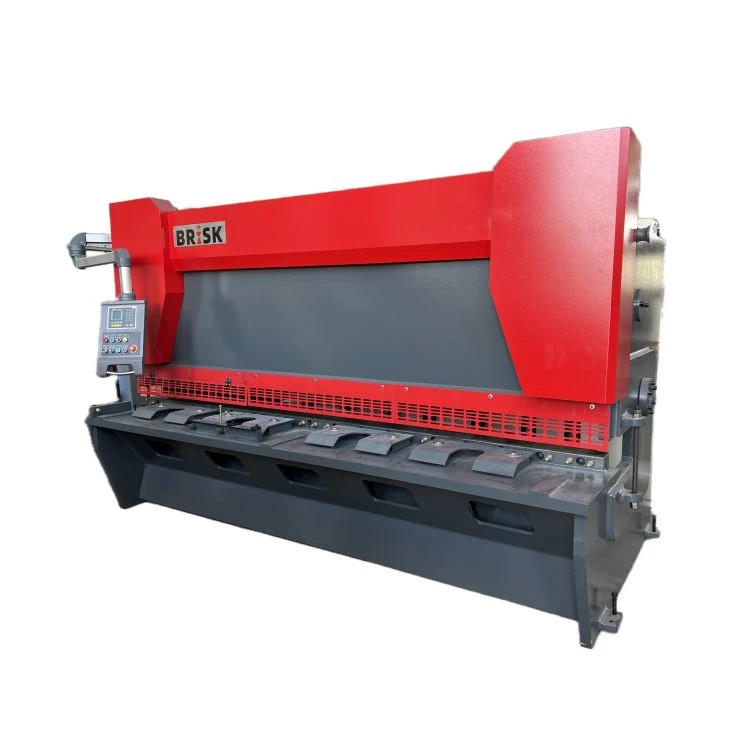
If you are in the market for a high - quality sheet metal guillotine, we offer a wide range of products, including the Industrial CNC Hydraulic Shearing Machine, Guillotine Shearing Machine, and Sheet Metal Guillotine Shearing Machine. Our machines are designed with precision and durability in mind, and we are committed to providing excellent customer service.

If you have any questions or would like to discuss your specific requirements, please feel free to contact us for a purchase negotiation. We look forward to serving you and helping you find the perfect sheet metal guillotine for your needs.
References
- Machinery's Handbook, 31st Edition.
- Manufacturer's manuals for sheet metal guillotines.


