Hey there, folks! I'm a supplier of sheet metal guillotines, and I've seen firsthand how these machines can be a real game - changer in the metalworking industry. But, let's be real, operating a sheet metal guillotine can be dangerous if you don't know what you're doing. So, in this blog, I'm gonna share some tips on how to operate a sheet metal guillotine safely.
1. Pre - operation Checks
Before you even think about turning on the guillotine, you need to do a thorough pre - operation check. This is like checking your car before a long drive. First off, take a good look at the machine. Check for any visible damage, like cracks in the frame or loose parts. Make sure all the guards are in place and functioning properly. These guards are there to protect you from the sharp blades, so don't mess around with them.
Next, check the blade. The blade is the heart of the guillotine, and it needs to be in top - notch condition. Look for any signs of wear or dullness. A dull blade can cause the metal to tear instead of cut cleanly, which not only ruins your work but can also be dangerous. If the blade looks worn, it's time to replace it. You can find high - quality blades for our Sheet Metal Guillotine Shearing Machine on our website.
Also, check the hydraulic system. If your guillotine is hydraulic, make sure the fluid level is correct and there are no leaks. Low fluid levels can cause the machine to malfunction, and leaks can be a safety hazard.
2. Personal Protective Equipment (PPE)
PPE is a must when operating a sheet metal guillotine. You wouldn't go into a battle without armor, right? Well, PPE is your armor when working with these machines. First, wear safety glasses. Metal shavings can fly off during the cutting process, and these glasses will protect your eyes from getting injured.
Gloves are also important. They not only protect your hands from the sharp edges of the metal but also give you a better grip on the material. However, make sure the gloves are not too loose, as loose gloves can get caught in the machine.
Wear ear protection too. Guillotines can be pretty noisy, and prolonged exposure to loud noise can damage your hearing. Earplugs or earmuffs are a simple and effective way to protect your ears.
3. Loading the Material
When loading the material onto the guillotine, be careful. Make sure the material is aligned properly. If it's not aligned, the cut will be uneven, and you might end up with a piece of scrap metal. Use the guides on the machine to help you align the material.
Don't try to force the material into the machine. Let the guillotine do its job. If the material is too thick or too large for the machine, don't attempt to cut it. Using a guillotine beyond its capacity can damage the machine and put you at risk.
4. Operating the Guillotine
Once the material is loaded and aligned, it's time to operate the guillotine. But before you hit the button, make sure your hands are clear of the cutting area. This is a no - brainer, but you'd be surprised how many accidents happen because people forget this simple rule.
When you operate the guillotine, do it smoothly. Don't rush the process. If you try to cut too quickly, you might not get a clean cut, and it could also put extra stress on the machine.
After each cut, wait for the blade to return to its original position before removing the cut piece. This gives you enough time to safely handle the material without getting your fingers caught.
5. Maintenance
Regular maintenance is key to keeping your sheet metal guillotine in good working condition and ensuring your safety. Clean the machine regularly to remove any metal shavings or debris. This not only helps the machine run smoothly but also reduces the risk of fire.
Lubricate the moving parts according to the manufacturer's instructions. This helps prevent wear and tear and keeps the machine operating efficiently.

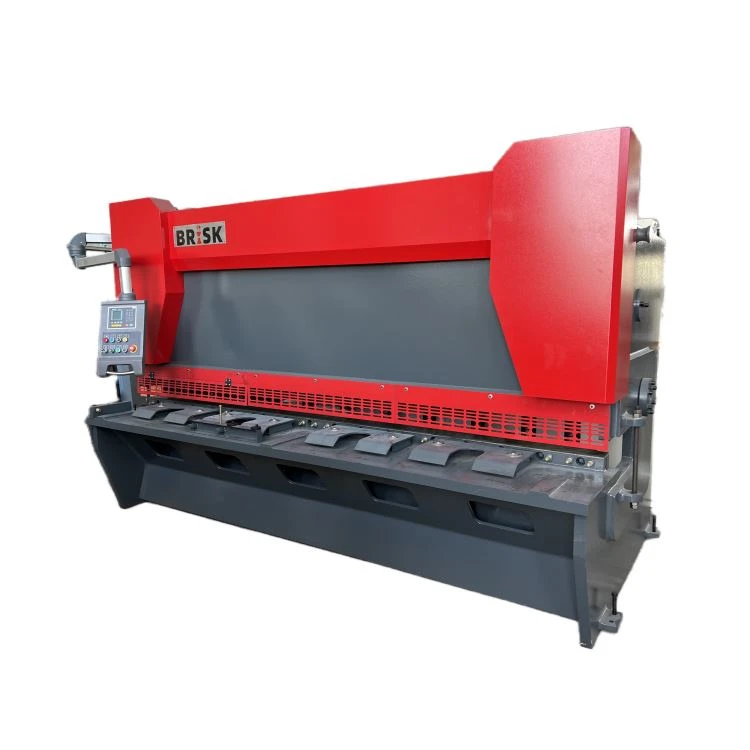
Have a professional technician inspect the machine periodically. They can spot potential problems before they turn into major issues.
6. Training
If you're new to operating a sheet metal guillotine, it's essential to get proper training. Even if you have some experience, it's always a good idea to refresh your knowledge. Our company offers training programs for those who purchase our Industrial CNC Hydraulic Shearing Machine. We believe that well - trained operators are safer operators.
7. Emergency Procedures
You should always know what to do in case of an emergency. Familiarize yourself with the emergency stop button on the guillotine. In case something goes wrong, you can quickly stop the machine.
Have a first - aid kit nearby. Accidents can happen, and having a first - aid kit on hand can help minimize the damage.
8. Choosing the Right Machine
When it comes to sheet metal guillotines, not all machines are created equal. You need to choose a machine that suits your needs. Consider the thickness and size of the metal you'll be cutting. Our Metal Punching and Shearing Machine is a great option for those who need a versatile machine that can handle different types of metal.
In conclusion, operating a sheet metal guillotine safely is all about being prepared, following the rules, and taking the necessary precautions. If you're in the market for a high - quality sheet metal guillotine, we're here to help. Our machines are designed with safety and efficiency in mind. Whether you're a small - scale workshop or a large industrial facility, we have the right machine for you. If you're interested in learning more about our products or have any questions, don't hesitate to reach out and start a procurement discussion.
References
- General safety guidelines for metalworking machinery.
- Manufacturer's manuals for sheet metal guillotines.