What is the corrosion - resistance requirement for a sheet metal press brake?
As a supplier of Sheet Metal Press Brake, I've witnessed firsthand the crucial role that corrosion resistance plays in the performance and longevity of these machines. In this blog, I'll delve into the corrosion - resistance requirements for a sheet metal press brake, explaining why it matters and what standards should be met.
Why Corrosion Resistance is Vital for Sheet Metal Press Brakes
Sheet metal press brakes are often used in industrial environments where they are exposed to various corrosive elements. These can include moisture, chemicals, and even the metal shavings and debris generated during the bending process. Corrosion can lead to a multitude of problems, such as reduced machine efficiency, increased maintenance costs, and even safety hazards.
When a press brake corrodes, the moving parts can become less precise. For example, corrosion on the hydraulic cylinders can cause leaks, which in turn affects the pressure and accuracy of the bending operation. This can result in sub - standard products and a higher rate of rejects. Moreover, corroded parts are more likely to break down, leading to unplanned downtime and costly repairs.
Corrosion - Resistance Requirements
Material Selection
The choice of materials is the first step in ensuring corrosion resistance. High - quality steel is commonly used in the construction of press brakes. Stainless steel, in particular, is a popular choice due to its excellent corrosion - resistant properties. It contains chromium, which forms a passive oxide layer on the surface, protecting the metal from further oxidation.
For the structural components of the press brake, such as the frame and the table, austenitic stainless steels like 304 and 316 are often preferred. These steels offer good resistance to general corrosion and are suitable for most industrial environments. However, in more aggressive environments, such as those with high levels of chloride or acidic substances, a more corrosion - resistant grade like duplex stainless steel may be required.
The tooling of the press brake, including the punches and dies, also needs to be corrosion - resistant. Carbide tooling is a common choice as it is not only hard and wear - resistant but also has good corrosion resistance. Additionally, the tooling can be coated with materials like titanium nitride (TiN) or diamond - like carbon (DLC) to further enhance its corrosion resistance and reduce friction.
Surface Treatment
Surface treatment is another important aspect of corrosion resistance. One of the most common surface treatments is painting. A high - quality paint coating can act as a barrier between the metal and the corrosive environment. The paint should be resistant to chemicals, abrasion, and UV radiation. Epoxy - based paints are often used for press brakes as they provide good adhesion and protection.
Galvanizing is also a popular surface treatment method. It involves coating the metal with a layer of zinc, which sacrificially corrodes to protect the underlying steel. Hot - dip galvanizing provides a thick and durable zinc coating, which is suitable for outdoor or harsh industrial environments.
Anodizing is a surface treatment commonly used for aluminum components in press brakes. It creates a hard, corrosion - resistant oxide layer on the surface of the aluminum, improving its durability and appearance.


Environmental Considerations
The environment in which the press brake operates also influences the corrosion - resistance requirements. In a dry, clean environment, the corrosion risk is relatively low, and standard corrosion - prevention measures may be sufficient. However, in a humid or wet environment, such as a coastal area or a manufacturing facility with high humidity, more stringent corrosion - resistance measures are needed.
If the press brake is used in an environment where it is exposed to chemicals, such as in a chemical processing plant, the materials and surface treatments must be able to withstand the specific chemicals present. For example, if the environment contains sulfuric acid, the press brake components should be made of materials that are resistant to this acid, such as certain grades of stainless steel.
Industry Standards and Regulations
There are several industry standards and regulations that govern the corrosion - resistance requirements for sheet metal press brakes. For example, the International Organization for Standardization (ISO) has standards related to the quality and performance of industrial machinery, including requirements for corrosion resistance.
In addition, local regulations may also have specific requirements for the use of machinery in certain environments. For instance, in some regions, there are regulations regarding the use of machinery in food processing facilities, which require high levels of corrosion resistance to ensure food safety.
Our Approach as a Supplier
As a Sheet Metal Press Brake supplier, we take corrosion resistance very seriously. We use high - quality materials in the construction of our press brakes, and we apply advanced surface treatments to ensure long - term corrosion protection.
We also conduct rigorous quality control tests to ensure that our press brakes meet or exceed the relevant industry standards. Our team of engineers is constantly researching and developing new materials and surface treatment methods to improve the corrosion resistance of our products.
The Impact of Corrosion Resistance on the Bottom Line
Investing in a press brake with high corrosion resistance can have a significant impact on the bottom line of a manufacturing business. By reducing the need for frequent maintenance and repairs, it can lower operating costs. It also improves the quality of the products produced, leading to higher customer satisfaction and potentially more business.
Moreover, a corrosion - resistant press brake has a longer service life, which means that the initial investment can be amortized over a longer period. This makes it a more cost - effective solution in the long run.
Conclusion
In conclusion, the corrosion - resistance requirement for a sheet metal press brake is a critical factor that should not be overlooked. It affects the performance, reliability, and cost - effectiveness of the machine. As a supplier, we are committed to providing press brakes that meet the highest corrosion - resistance standards.
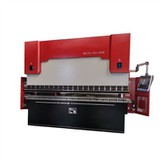
If you are in the market for a Press Brake Bending Machine or a CNC Steel Sheet Press Brake Machine, we encourage you to contact us for a detailed discussion about your specific requirements. We can provide you with the right solution that meets your corrosion - resistance needs and helps you achieve your production goals.
References
- "Corrosion Resistance of Metals and Alloys" by Robert W. Revie
- ISO standards related to industrial machinery
- Industry reports on the performance and maintenance of sheet metal press brakes