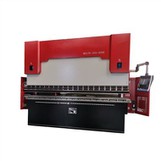
As a supplier of hydraulic press brakes, I understand the importance of optimizing the bending process to enhance efficiency, precision, and overall productivity. In this blog post, I will share some valuable insights and practical tips on how to optimize the bending process of a hydraulic press brake.
Understanding the Basics of Hydraulic Press Brakes
Before diving into the optimization strategies, it's essential to have a solid understanding of hydraulic press brakes. A hydraulic press brake is a machine tool used for bending sheet metal and other materials. It consists of a hydraulic system that generates the force required to bend the material, a punch and die set that shapes the bend, and a control system that regulates the bending process.
There are different types of hydraulic press brakes available in the market, including Hydraulic Sheet Metal Press Brake, Hydraulic Press Bending Machine, and CNC Hydraulic Metal Sheet Bending Machine. Each type has its own features and capabilities, and choosing the right one depends on your specific requirements.


Factors Affecting the Bending Process
Several factors can affect the bending process of a hydraulic press brake. Understanding these factors is crucial for optimizing the process and achieving the desired results. Here are some of the key factors:
Material Properties
The properties of the material being bent, such as its thickness, hardness, and ductility, play a significant role in the bending process. Different materials require different bending forces and techniques. For example, thicker materials generally require more force to bend, while harder materials may require special tooling or higher bending pressures.
Tooling Selection
The selection of the right punch and die set is essential for achieving accurate and consistent bends. The punch and die should be designed to match the material thickness, bend radius, and angle requirements. Using the wrong tooling can result in poor bend quality, such as wrinkling, cracking, or uneven bends.
Bending Angle and Radius
The bending angle and radius are critical parameters that determine the final shape of the bent part. It's important to set the correct bending angle and radius on the press brake to ensure that the part meets the design specifications. The bending angle can be controlled using the press brake's control system, while the bending radius is determined by the punch and die selection.
Backgauge Position
The backgauge is used to position the material accurately for bending. It ensures that the bend is made at the correct location on the material. Setting the backgauge position correctly is crucial for achieving consistent and accurate bends.
Press Brake Settings
The press brake settings, such as the bending force, speed, and dwell time, also affect the bending process. These settings need to be adjusted based on the material properties, tooling selection, and bending requirements. Incorrect press brake settings can lead to poor bend quality or even damage to the machine.
Optimization Strategies for the Bending Process
Now that we have a better understanding of the factors affecting the bending process, let's explore some optimization strategies that can help improve the efficiency and quality of the bending process.
Select the Right Machine
As mentioned earlier, choosing the right hydraulic press brake is crucial for optimizing the bending process. Consider factors such as the material thickness, bending length, and production volume when selecting a machine. A machine with the right capacity and features will ensure that you can achieve the desired results efficiently and effectively.
Use High-Quality Tooling
Investing in high-quality punch and die sets is essential for achieving accurate and consistent bends. High-quality tooling is made from durable materials and is designed to withstand the forces and stresses of the bending process. It also provides better surface finish and longer tool life, reducing the need for frequent tool changes.
Optimize Tooling Setup
Proper tooling setup is crucial for achieving accurate and consistent bends. Make sure that the punch and die are installed correctly and are aligned properly. Check the tooling for any signs of wear or damage and replace it if necessary. Also, ensure that the tooling is lubricated to reduce friction and prevent damage to the material.
Program the Press Brake Correctly
If you are using a CNC hydraulic press brake, programming the machine correctly is essential for optimizing the bending process. Use the machine's programming software to create accurate bending programs based on the part design. The program should include the correct bending angles, radii, and backgauge positions. Test the program on a sample piece before starting production to ensure that it produces the desired results.
Monitor and Control the Bending Process
Monitoring and controlling the bending process is crucial for ensuring consistent and accurate bends. Use the press brake's control system to monitor the bending force, speed, and other parameters. Make adjustments as needed to maintain the desired bending quality. Also, inspect the bent parts regularly to check for any defects or deviations from the design specifications.
Train Your Operators
Proper training of your operators is essential for optimizing the bending process. Operators should be trained on how to operate the press brake safely and efficiently, how to select the right tooling, and how to set up and program the machine correctly. Regular training and refresher courses can help keep your operators up-to-date with the latest techniques and best practices.
Conclusion
Optimizing the bending process of a hydraulic press brake is essential for enhancing efficiency, precision, and overall productivity. By understanding the factors affecting the bending process and implementing the optimization strategies outlined in this blog post, you can improve the quality of the bent parts, reduce production time and costs, and increase customer satisfaction.
If you are interested in learning more about hydraulic press brakes or need help optimizing your bending process, please feel free to contact us. Our team of experts is always ready to assist you with your specific requirements.
References
- "Metal Forming Handbook: Processes and Applications" by Peter Groche, et al.
- "Press Brake Operation and Safety" by American Machine Tools, Inc.
- "CNC Press Brake Programming" by Haas Automation, Inc.