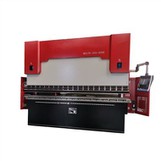
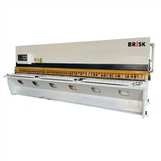
Setting up the initial parameters for a CNC press brake machine can be a bit of a head - scratcher, especially if you're new to the game. But don't worry, as a supplier of CNC Press Brake Machines, I'm here to walk you through the process step by step.
First off, let's talk about why setting the right initial parameters is so crucial. The accuracy of your bending operations depends on it. If the parameters are off, you'll end up with parts that don't meet the required specifications, which can lead to wasted materials and time.
Material Considerations
The type of material you're working with is the first thing you need to take into account. Different materials have different properties, like hardness, ductility, and thickness. For example, bending stainless steel is a whole different ballgame compared to bending aluminum. Stainless steel is harder and requires more force to bend.
You'll need to know the material's yield strength, which is the amount of stress it can handle before it starts to deform permanently. This info helps you figure out how much pressure the press brake needs to apply. Most of the time, you can find this data on the material's spec sheet.
Tooling Setup
Next up is the tooling. The choice of tooling affects the shape and quality of the bend. You've got to pick the right punch and die for the job. The punch is the part that does the actual bending, and the die provides the support and shape for the bend.
The width of the die is super important. A wider die is used for larger bends, while a narrower one is for smaller, more precise bends. Also, make sure the punch and die are in good condition. Any damage or wear can mess up the bending process.
Bend Angle and Length
Determining the bend angle and length is another key step. You need to input these values into the CNC control system. The CNC press brake uses these numbers to position the punch and die accurately.
To measure the bend angle, you can use a protractor or an angle gauge. For the bend length, a simple tape measure usually does the trick. Once you've got these measurements, enter them into the machine's control panel.


Backgauge Positioning
The backgauge is what holds the material in place during the bending process. You need to set its position correctly to ensure that the bend is in the right spot on the material.
Most CNC press brake machines have an automatic backgauge system. You can program the position based on the dimensions of the part you're making. This feature makes the setup process a lot quicker and more accurate.
Pressure Settings
Now, let's talk about pressure. The pressure setting on the press brake determines how much force is applied to the material during bending. It's important to get this right because too much pressure can cause the material to crack, while too little won't give you a proper bend.
The pressure setting depends on several factors, including the material type, thickness, and the bend radius. You can usually find recommended pressure settings in the machine's manual or use online calculators.
Testing and Fine - Tuning
After you've set all the initial parameters, it's time for a test run. Take a scrap piece of the same material and run it through the bending process. Check the bend angle, length, and quality. If something's not right, you'll need to make some adjustments.
Fine - tuning might involve tweaking the pressure settings, backgauge position, or tooling. It might take a few tries to get everything just right, but it's worth it to ensure high - quality parts.
Using Our Machines
At our company, we offer a range of CNC press brake machines, including the Hydraulic Sheet Bending Machine, the Small Electric Press Brake Machine, and the CNC Hydraulic Press Brake. These machines are designed with user - friendly interfaces that make the parameter - setting process easier.
Our machines come with pre - programmed settings for common materials and bends, which can save you a lot of time. And if you ever run into trouble, our technical support team is always ready to help.
Conclusion
Setting up the initial parameters for a CNC press brake machine isn't rocket science, but it does require attention to detail. By considering the material, tooling, bend angle and length, backgauge position, and pressure settings, you can ensure accurate and high - quality bending operations.
If you're in the market for a CNC press brake machine or need more advice on setting up parameters, don't hesitate to reach out. We're here to help you get the most out of your bending operations. Whether you're a small - scale workshop or a large manufacturing facility, our machines can meet your needs. Contact us today to start the conversation about your press brake requirements.
References
- "CNC Press Brake Operation Manual"
- "Materials Science and Engineering: An Introduction" by William D. Callister Jr. and David G. Rethwisch