In the realm of metal fabrication, mass production is a crucial aspect that demands efficiency, precision, and reliability. Press brake machines play a pivotal role in this process, enabling the bending and shaping of metal sheets with high accuracy. As a press brake machine supplier, I understand the importance of considering various factors when using these machines in mass production. In this blog post, I will discuss the key considerations that manufacturers should keep in mind to ensure optimal performance and productivity.
Machine Capacity and Capability
One of the first considerations when using a press brake machine in mass production is its capacity and capability. The machine's tonnage, bending length, and stroke length are critical factors that determine its suitability for the specific production requirements. For instance, if you are working with thick or large metal sheets, you will need a press brake with a higher tonnage to generate the necessary force for bending. Similarly, the bending length should match the size of the metal sheets you are working with to ensure efficient production.
In addition to tonnage and bending length, the machine's control system also plays a crucial role in its capability. Modern press brake machines are equipped with advanced CNC (Computer Numerical Control) systems that offer precise control over the bending process. These systems allow operators to program complex bending sequences, adjust parameters such as bending angle and depth, and store multiple programs for future use. When choosing a press brake machine for mass production, it is essential to select a machine with a reliable and user-friendly CNC system to ensure consistent and accurate results.
Tooling Selection
Another important consideration in mass production is the selection of appropriate tooling for the press brake machine. The tooling, including punches and dies, directly affects the quality and efficiency of the bending process. Different types of tooling are available, each designed for specific bending applications. For example, standard tooling is suitable for general-purpose bending, while specialty tooling may be required for complex or custom bending operations.
When selecting tooling for mass production, it is important to consider factors such as the material being bent, the desired bending angle and radius, and the production volume. The tooling should be made of high-quality materials that can withstand the repeated stress and wear associated with mass production. Additionally, the tooling should be properly maintained and sharpened regularly to ensure optimal performance and longevity.
Material Handling
Efficient material handling is crucial for maximizing productivity in mass production. The press brake machine should be equipped with appropriate material handling equipment, such as conveyors, loaders, and unloaders, to facilitate the smooth flow of materials through the bending process. These equipment can help reduce manual labor, minimize downtime, and improve overall efficiency.
In addition to material handling equipment, it is also important to consider the layout of the production floor. The press brake machine should be positioned in a way that allows for easy access to the material handling equipment and other production machinery. The workflow should be optimized to minimize the distance and time required for material movement, reducing the risk of bottlenecks and delays.
Operator Training and Safety
Proper operator training is essential for ensuring the safe and efficient operation of press brake machines in mass production. Operators should be trained on the machine's operation, maintenance, and safety procedures. They should also be familiar with the CNC system and be able to program and operate the machine effectively.
Safety is of utmost importance when using press brake machines. The machine should be equipped with appropriate safety features, such as guards, sensors, and emergency stop buttons, to protect operators from potential hazards. Operators should also be provided with personal protective equipment (PPE), such as safety glasses, gloves, and earplugs, to minimize the risk of injury.
Maintenance and Support
Regular maintenance is essential for keeping press brake machines in optimal condition and ensuring their long-term reliability. The machine should be inspected and serviced regularly to identify and address any potential issues before they become major problems. This includes checking the hydraulic system, lubricating moving parts, and inspecting the tooling for wear and damage.
In addition to regular maintenance, it is also important to have access to reliable technical support. As a press brake machine supplier, we offer comprehensive maintenance and support services to our customers. Our team of experienced technicians is available to provide on-site support, training, and troubleshooting assistance to ensure that our customers' machines are operating at peak performance.


Cost Considerations
Cost is always a significant factor in mass production. When choosing a press brake machine, it is important to consider the initial purchase price, as well as the long-term operating costs. The initial purchase price of a press brake machine can vary depending on its size, capacity, and features. However, it is important to remember that a higher-quality machine may offer better performance, reliability, and productivity in the long run, which can offset the initial investment.
In addition to the purchase price, the long-term operating costs of a press brake machine include factors such as energy consumption, maintenance, and tooling costs. It is important to choose a machine that is energy-efficient and has low maintenance requirements to minimize operating costs. Additionally, the cost of tooling should be considered, as it can be a significant expense over time.
Conclusion
Using a press brake machine in mass production requires careful consideration of various factors, including machine capacity and capability, tooling selection, material handling, operator training and safety, maintenance and support, and cost. By taking these factors into account, manufacturers can ensure optimal performance and productivity, while minimizing downtime and costs.
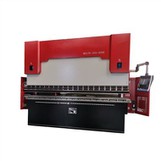
As a press brake machine supplier, we offer a wide range of high-quality Servo Electric Press Brake Machine, CNC Hydraulic Metal Sheet Bending Machine, and NC Press Brake to meet the diverse needs of our customers. Our machines are equipped with advanced features and technologies to ensure precise and efficient bending operations. We also provide comprehensive maintenance and support services to ensure that our customers' machines are operating at peak performance.
If you are interested in learning more about our press brake machines or have any questions about using them in mass production, please feel free to contact us. We would be happy to discuss your specific requirements and provide you with a customized solution.
References
- ASM Handbook, Volume 14A: Metalworking: Bending and Forming. ASM International, 2013.
- Die Design Handbook. Society of Manufacturing Engineers, 2008.
- Metal Forming Handbook: A Practical Guide to Sheet Metal Forming Processes and Die Design. Carl Tenhoff, 2010.