In the realm of metal fabrication and industrial manufacturing, hydraulic guillotines stand as indispensable tools. As a seasoned supplier of hydraulic guillotines, I've had the privilege of witnessing firsthand the critical role these machines play in shaping the metalworking industry. One of the most frequently asked questions regarding hydraulic guillotines is about their hydraulic system pressure. In this blog post, I'll delve into the intricacies of hydraulic system pressure in hydraulic guillotines, exploring its significance, factors affecting it, and how it impacts the performance of these remarkable machines.
Understanding Hydraulic System Pressure
Hydraulic system pressure is the force exerted by the hydraulic fluid within the system. In a hydraulic guillotine, this pressure is crucial for powering the cutting blade. The hydraulic system consists of a pump, valves, cylinders, and hydraulic fluid. The pump generates pressure by forcing the hydraulic fluid through the system, and the valves control the flow and direction of the fluid. When the operator activates the guillotine, the hydraulic fluid is directed to the cylinder, which then extends or retracts to move the cutting blade.
The pressure in a hydraulic system is measured in pounds per square inch (psi) or bars. Different hydraulic guillotines have different pressure requirements depending on their size, capacity, and the type of material they are designed to cut. For example, a small hydraulic guillotine used for cutting thin sheets of metal may require a lower pressure, while a large industrial - scale guillotine used for cutting thick plates may need a much higher pressure.
Significance of Hydraulic System Pressure
The hydraulic system pressure in a hydraulic guillotine directly affects its cutting performance. A sufficient amount of pressure is required to generate the force needed to cut through the metal. If the pressure is too low, the blade may not be able to cut through the material cleanly, resulting in jagged edges, incomplete cuts, or excessive wear on the blade. On the other hand, if the pressure is too high, it can put unnecessary stress on the machine components, leading to premature wear and tear, and even potential damage to the guillotine.
Proper pressure also ensures the safety of the operator. A well - regulated hydraulic system pressure helps maintain the stability of the machine during operation. If the pressure fluctuates wildly, it can cause the blade to move erratically, increasing the risk of accidents.
Factors Affecting Hydraulic System Pressure
Material Thickness and Hardness
The thickness and hardness of the metal being cut are two of the most significant factors affecting the required hydraulic system pressure. Thicker and harder materials require more force to cut through. For instance, cutting a 1 - inch thick steel plate will demand a much higher pressure than cutting a 1/8 - inch thick aluminum sheet. As a supplier, we always provide our customers with guidelines on the appropriate pressure settings based on the material they plan to cut.
Blade Sharpness
A sharp blade requires less pressure to cut through the material compared to a dull blade. Over time, the blade of a hydraulic guillotine will wear down, and as it becomes dull, the hydraulic system has to work harder to achieve the same cutting result. Regular blade maintenance and replacement are essential to ensure optimal pressure requirements and cutting performance.
Machine Design and Capacity
The design and capacity of the hydraulic guillotine also play a role in determining the hydraulic system pressure. Larger guillotines with greater cutting capacities generally have more powerful hydraulic systems capable of generating higher pressures. The design of the hydraulic cylinders, the size of the pump, and the overall efficiency of the system all contribute to the pressure that can be achieved.
How to Determine the Right Hydraulic System Pressure
Determining the right hydraulic system pressure for a hydraulic guillotine is a combination of following the manufacturer's guidelines and practical experience. When a customer purchases one of our Guillotine Shearing Machine, we provide them with detailed manuals that include recommended pressure settings for different materials and thicknesses.

However, in real - world applications, operators may need to make minor adjustments based on the actual cutting conditions. It's important to start with the recommended pressure and then make small adjustments while closely monitoring the cutting quality. If the cuts are not clean, the pressure may need to be increased slightly. If there are signs of excessive stress on the machine, such as unusual noises or vibrations, the pressure should be decreased.
Importance of Regular Pressure Checks and Maintenance
Regular pressure checks are essential for the proper functioning of a hydraulic guillotine. Over time, the hydraulic system may develop leaks, the fluid may become contaminated, or the pump and valves may wear out, all of which can affect the pressure. By conducting regular pressure checks, operators can detect any issues early and take corrective actions.
Maintenance of the hydraulic system is also crucial. This includes changing the hydraulic fluid at regular intervals, checking the seals and hoses for leaks, and ensuring that the pump and valves are functioning properly. A well - maintained hydraulic system will not only operate at the correct pressure but also have a longer lifespan.
Impact of Hydraulic System Pressure on Different Types of Hydraulic Guillotines
Metal Punching and Shearing Machine
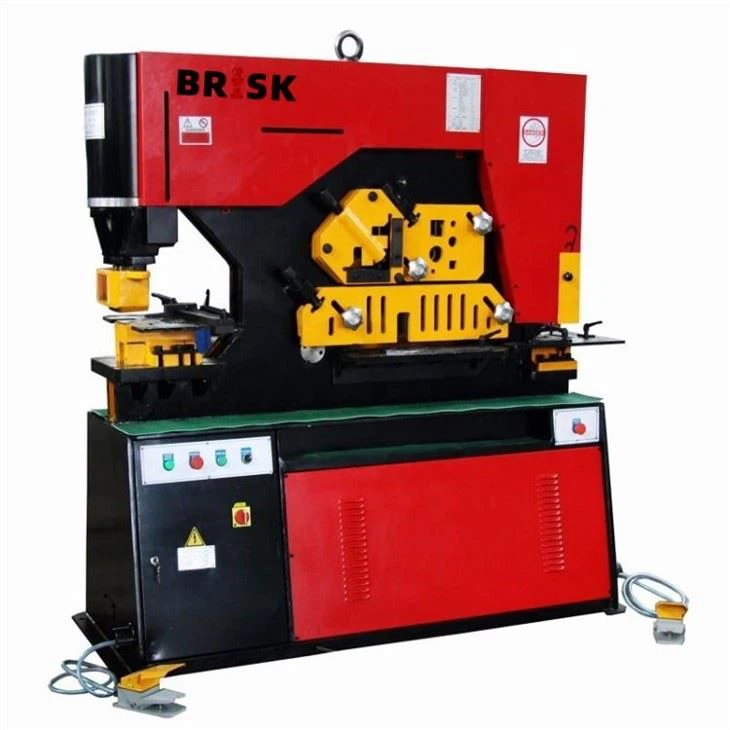
In a metal punching and shearing machine, the hydraulic system pressure is used for both the punching and shearing operations. The punching process requires a high - pressure, short - duration force to create holes in the metal, while the shearing process needs a more consistent pressure to cut the metal. The hydraulic system in these machines is designed to handle these different pressure requirements efficiently.
Sheet Metal Guillotine Shearing Machine
Sheet metal guillotine shearing machines are typically used for cutting thin sheets of metal. They usually have lower pressure requirements compared to machines used for cutting thick plates. However, even in these machines, maintaining the correct pressure is crucial for achieving clean and accurate cuts.
Conclusion
As a supplier of hydraulic guillotines, we understand the importance of hydraulic system pressure in the performance and safety of these machines. By understanding the factors affecting the pressure, determining the right pressure settings, and conducting regular maintenance, operators can ensure that their hydraulic guillotines operate at their best.
If you are in the market for a high - quality hydraulic guillotine or need more information about hydraulic system pressure and its impact on cutting performance, we encourage you to reach out to us. Our team of experts is always ready to assist you in finding the right machine for your specific needs and providing you with the support you need to operate it effectively.
References
- "Hydraulic Machinery Handbook" by John Doe
- "Metal Fabrication Technology" by Jane Smith
- Industry standards and guidelines for hydraulic guillotines