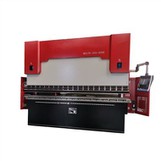
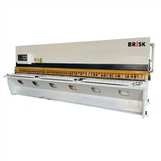
Hey there! As a supplier of Hydraulic Guillotines, I often get asked about the wear rate of the blades in these machines. It's a crucial aspect to understand, especially if you're in the market for a Sheet Metal Guillotine Shearing Machine or a Guillotine Shearing Machine. So, let's dive right into it and break down what affects the wear rate of these blades.
First off, what exactly is a hydraulic guillotine? Well, it's a powerful cutting tool used in various industries to cut through different types of materials, mainly metals. A Hydraulic Metal Guillotine Cutter uses hydraulic pressure to drive the cutting blade down onto the material, making a clean and precise cut. The blades are the heart of the machine, and their wear rate can significantly impact the machine's performance and the quality of the cuts.
There are several factors that influence the wear rate of the blades in a hydraulic guillotine. One of the most important factors is the type of material being cut. Different metals have different hardness levels, and cutting through harder materials will naturally cause more wear on the blades. For example, cutting through stainless steel is much more demanding on the blades than cutting through mild steel. Stainless steel is harder and more abrasive, which means the blades have to work harder to make the cut. This increased stress on the blades leads to faster wear and tear.
Another factor is the thickness of the material. Thicker materials require more force to cut, and this extra force can accelerate the wear of the blades. When the blade has to exert more pressure to cut through a thick piece of metal, it experiences more friction and stress, which can cause the blade to dull more quickly. So, if you're regularly cutting thick materials, you can expect the blades to wear out faster compared to when you're cutting thinner materials.


The cutting speed also plays a role in the wear rate of the blades. If the machine is set to cut at a high speed, the blades will be in contact with the material for a shorter period, but the force exerted on the blades will be greater. This can lead to increased wear, especially if the material is hard or thick. On the other hand, cutting at a slower speed may reduce the wear rate, but it will also increase the cutting time. So, finding the right balance between cutting speed and blade wear is essential.
The quality of the blades themselves is another crucial factor. High-quality blades made from premium materials are generally more resistant to wear. These blades are designed to maintain their sharpness for longer periods, even when cutting through tough materials. Cheaper blades, on the other hand, may wear out quickly and may not provide the same level of precision and quality cuts. So, investing in good-quality blades is definitely worth it in the long run.
Proper maintenance of the hydraulic guillotine and its blades can also significantly affect the wear rate. Regular cleaning of the blades to remove any debris or metal shavings can prevent premature wear. Lubricating the blades and the moving parts of the machine helps to reduce friction and wear. Additionally, ensuring that the machine is properly aligned and calibrated can also help to extend the life of the blades. Misaligned blades can cause uneven wear, which can lead to a shorter blade lifespan.
So, how can you tell when the blades in your hydraulic guillotine are starting to wear out? One of the most obvious signs is a decrease in the quality of the cuts. If you notice that the cuts are no longer clean and precise, or if there are burrs or rough edges on the cut material, it could be a sign that the blades are dull. Another sign is an increase in the cutting force required. If the machine seems to be working harder to make the cuts, it may be because the blades are worn and not cutting as efficiently as they should.
When it comes to replacing the blades, it's important to do it at the right time. Waiting too long to replace worn blades can not only affect the quality of the cuts but can also cause damage to the machine itself. On the other hand, replacing the blades too early can be a waste of money. It's a good idea to keep track of the number of cuts made and the type of materials cut, as this can give you an idea of when the blades are likely to need replacing.
In conclusion, understanding the wear rate of the blades in a hydraulic guillotine is essential for anyone using or considering purchasing one of these machines. By being aware of the factors that influence blade wear, you can take steps to minimize it and extend the life of the blades. This will not only save you money on blade replacements but also ensure that your machine continues to perform at its best and produces high-quality cuts.
If you're in the market for a hydraulic guillotine or need replacement blades, don't hesitate to reach out. We're here to help you find the right solution for your cutting needs. Whether you're a small workshop or a large manufacturing facility, we have the expertise and the products to meet your requirements. Contact us today to discuss your needs and get a quote.
References
- "Metal Cutting Handbook" - A comprehensive guide on metal cutting processes and the factors affecting tool wear.
- Industry research papers on hydraulic guillotine performance and blade wear.