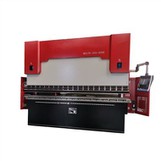
Hey there! As a supplier of roll forming machines, I often get asked a bunch of questions about what these machines can and can't do. One question that pops up quite a bit is, "Can a roll forming machine produce profiles with special surface treatments?" Well, let's dive right into it and find out.


First off, let's understand what a roll forming machine is. In simple terms, it's a piece of equipment that turns flat metal sheets into various profiles by passing them through a series of rollers. These rollers gradually bend the metal into the desired shape. Now, when it comes to special surface treatments, things get a bit more interesting.
There are several types of special surface treatments that people might want for their metal profiles. Some common ones include galvanizing, powder coating, painting, and anodizing. Let's see if a roll forming machine can handle these.
Galvanizing is a process where a layer of zinc is applied to the metal to protect it from corrosion. Now, a roll forming machine itself doesn't perform the galvanizing process. But here's the deal. You can first galvanize the flat metal sheets before they go into the roll forming machine. Once the sheets are galvanized, the roll forming machine can then shape them into the required profiles without damaging the zinc coating. So, in a way, roll forming machines can work with pre - galvanized materials to produce profiles with this special surface treatment.
Powder coating is another popular surface treatment. It gives the metal a durable and attractive finish. Similar to galvanizing, the roll forming machine doesn't do the powder coating. However, you have two options. You can either powder coat the formed profiles after they come out of the roll forming machine. Or, you can use pre - powder - coated sheets. But you need to be a bit careful with pre - powder - coated sheets because the forming process might cause some minor scratches on the coating. Still, with the right settings and proper handling, it's definitely doable.
Painting is a more traditional surface treatment. Just like the previous two, the roll forming machine doesn't paint the metal. You can paint the profiles after they are formed. Painting can be a great way to add color and additional protection to the profiles. And since the forming process is done first, you don't have to worry about the paint getting damaged during the shaping.
Anodizing is mainly used for aluminum profiles. It creates a hard, corrosion - resistant layer on the surface of the aluminum. Similar to the other treatments, the roll forming machine doesn't anodize the metal. You can either anodize the formed profiles or use pre - anodized aluminum sheets. Using pre - anodized sheets can save time, but again, you need to make sure the roll forming process doesn't damage the anodized layer.
Now, let's talk about the advantages of using roll forming machines to produce profiles with special surface treatments. One big advantage is efficiency. Roll forming is a continuous process, which means it can produce a large number of profiles in a relatively short time. Whether you are using pre - treated sheets or treating the formed profiles, the high - speed production of roll forming machines can help you meet your production targets.
Another advantage is precision. Roll forming machines can produce profiles with very high accuracy. This is important because when you are applying a special surface treatment, you want the profiles to have a consistent shape and size. A well - formed profile will ensure that the surface treatment is applied evenly and looks great.
However, there are also some challenges. As I mentioned earlier, when using pre - treated sheets, there is a risk of damaging the surface treatment during the roll forming process. To overcome this, you need to adjust the machine settings carefully. For example, you might need to reduce the pressure on the rollers or use lubricants to minimize friction.
In addition to the special surface treatments we've discussed, there are other factors to consider when using roll forming machines. For instance, the type of metal you are using can affect the surface treatment process. Different metals react differently to various treatments. Steel, aluminum, and copper all have their own unique properties, and you need to choose the right treatment based on the metal.
Also, the design of the profiles matters. Complex profiles might require more careful handling during the roll forming process to avoid damaging the surface treatment. You might need to use additional support or guide rollers to ensure that the metal bends smoothly without causing any cracks or scratches on the treated surface.
Now, if you're in the market for a roll forming machine, you might also be interested in other related equipment. We also offer a 4 Roller Plate Bending Machine, which is great for bending large metal plates. It can work in tandem with roll forming machines in some production processes. And if you need to cut or punch metal, our Metal Punching and Shearing Machine and Hydraulic Metal Guillotine Cutter are top - notch options.
In conclusion, a roll forming machine can definitely be used to produce profiles with special surface treatments. While the machine itself doesn't perform the surface treatment processes, it can work with pre - treated sheets or produce profiles that can be treated later. With the right approach and proper machine settings, you can achieve high - quality profiles with great surface finishes.
If you're interested in learning more about roll forming machines or want to discuss your specific requirements for producing profiles with special surface treatments, don't hesitate to reach out. We're here to help you find the best solutions for your production needs. Whether you're a small - scale manufacturer or a large - scale industrial operation, we can provide you with the right equipment and support. So, let's start a conversation and see how we can work together to take your production to the next level.
References:
- General knowledge of metalworking and roll forming processes from industry experience.
- Technical manuals and documentation of roll forming machines.