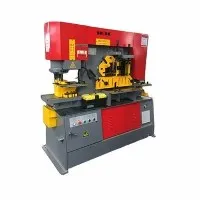
Transporting a press brake machine is no small feat. As a press brake machine supplier, I've seen firsthand the importance of taking the right precautions during transportation. In this blog, I'll share some key points to keep in mind to ensure your press brake machine arrives at its destination safely and in perfect working condition.


Pre - transport Preparations
Before you even think about loading the press brake machine onto a transport vehicle, there are several crucial steps you need to take.
Machine Inspection
First off, give the press brake machine a thorough inspection. Check for any loose parts, signs of damage, or wear and tear. Make sure all the components are properly tightened and secured. For example, the hydraulic hoses on a Hydraulic Press Brake Machine should be firmly attached and free from leaks. Any issues found during this inspection should be addressed immediately. You don't want a loose part flying off during transit and causing damage to the machine or other items on the truck.
Disassembly (if necessary)
Depending on the size and type of the press brake machine, disassembly might be required. Some larger machines may need to have certain components removed to make them more manageable for transportation. For instance, the control panel or some of the tooling attachments can be detached. However, this should be done carefully, and you should keep track of all the parts. Label each part clearly and keep a detailed inventory. This will make reassembly at the destination a whole lot easier.
Cleaning
A clean machine is not only more presentable but also less likely to have debris or dirt that could cause problems during transportation. Clean the press brake machine thoroughly, removing any metal shavings, dust, or oil. This will also help you spot any hidden damage that might have been covered by dirt.
Protection
Once the machine is inspected, disassembled (if needed), and cleaned, it's time to protect it. Use high - quality protective materials such as foam padding, plastic wraps, and wooden crates. Foam padding can be used to cover the more delicate parts of the machine, like the control panel on an NC Press Brake. Plastic wraps can be used to protect the entire machine from dust and moisture during transit. Wooden crates provide an extra layer of protection, especially for long - distance transportation.
Loading the Machine
Loading the press brake machine onto the transport vehicle is a critical step. You need to ensure that the machine is loaded safely and securely.
Use the Right Equipment
Don't try to load a heavy press brake machine with inadequate equipment. Use a forklift or a crane that has the appropriate lifting capacity. The forklift forks should be properly sized and positioned to lift the machine evenly. If using a crane, make sure the slings or chains are strong enough to hold the weight of the machine.
Proper Positioning
Position the press brake machine on the transport vehicle carefully. It should be centered and balanced to prevent it from shifting during transit. For larger machines, use blocking and bracing to keep them in place. Wooden blocks can be used to support the machine at its base, and straps can be used to secure it to the truck.
Securing the Machine
Once the machine is in position, secure it tightly. Use heavy - duty straps or chains to fasten the machine to the truck. Make sure the straps are not too loose or too tight. Too loose, and the machine can move around; too tight, and you could damage the machine. Check the tension of the straps regularly during the loading process.
During Transportation
The journey of the press brake machine is not over once it's loaded onto the truck. There are still several things to consider during transportation.
Route Planning
Plan the route carefully. Avoid roads with rough surfaces, potholes, or low - clearance bridges. A bumpy road can cause the machine to vibrate excessively, which could lead to damage. Also, consider the traffic conditions. Try to choose a route with less traffic to minimize the number of stops and starts, as sudden movements can also affect the machine.
Monitoring
If possible, use a tracking device to monitor the movement of the machine during transit. This can help you keep an eye on its location and any sudden jolts or vibrations. You can also ask the driver to report any issues or unusual events during the journey.
Weather Conditions
Weather can have a significant impact on the transportation of the press brake machine. If there's a chance of rain, snow, or extreme heat, take extra precautions. Make sure the truck has a proper cover to protect the machine from the elements. In hot weather, the machine's components could expand, and in cold weather, they could contract, which might affect its performance.
Unloading and Reassembly
Once the press brake machine arrives at its destination, the unloading and reassembly process is just as important.
Unloading
Use the same caution when unloading the machine as you did when loading it. Make sure the unloading area is flat and stable. Use the appropriate equipment to lower the machine gently to the ground.
Reassembly
If the machine was disassembled for transportation, follow the detailed inventory and labels to reassemble it correctly. Check all the connections and make sure everything is properly tightened. After reassembly, perform a final inspection to ensure the machine is in good working condition.
Why Choose Us as Your Press Brake Machine Supplier
As a press brake machine supplier, we understand all these transportation precautions inside out. We've been in the business for years, and we know how to handle the transportation of different types of press brake machines, whether it's an NC Press Brake, a Servo Electric Press Brake Machine, or a Hydraulic Press Brake Machine.
We take every possible step to ensure that your machine is transported safely and arrives at your doorstep in perfect condition. Our team of experts will oversee the entire transportation process, from pre - transport preparations to post - delivery reassembly.
If you're in the market for a press brake machine, don't hesitate to reach out to us. We're here to answer all your questions and help you with your purchase. Whether you need advice on the right type of machine for your needs or want to know more about our transportation services, we're just a message away. Contact us today to start the conversation about your press brake machine requirements.
References
- Industry best practices for heavy machinery transportation
- Manufacturer's guidelines for press brake machine transportation