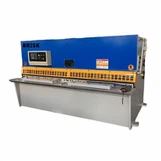
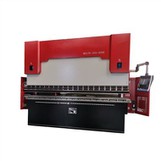
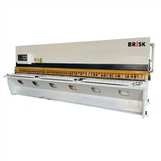
Hey there! As a supplier of hydraulic press brakes, I'm super stoked to dive into how these bad boys work. You know, hydraulic press brakes are a big deal in the metalworking industry. They're used to bend and shape metal sheets and plates, making them an essential tool for all sorts of manufacturing processes.
Let's start with the basics. A hydraulic press brake consists of a few key components: the frame, the ram, the die, and the hydraulic system. The frame is like the backbone of the machine. It provides the structure and support for all the other parts. It's usually made of heavy-duty steel to handle the high forces involved in the bending process.
The ram is the part that moves up and down. It's connected to the hydraulic cylinders, which we'll talk about in a bit. When the ram moves down, it applies force to the metal sheet that's placed between the ram and the die. The die is the stationary part that has a specific shape. The shape of the die determines the shape of the bend in the metal.
Now, let's get into the nitty - gritty of the hydraulic system. This is where the magic happens. The hydraulic system is responsible for generating the force needed to bend the metal. It consists of a hydraulic pump, hydraulic cylinders, valves, and a reservoir.
The hydraulic pump is like the heart of the system. It takes in hydraulic fluid from the reservoir and pressurizes it. This pressurized fluid is then sent to the hydraulic cylinders. The hydraulic cylinders are what actually move the ram. When the pressurized fluid enters the cylinders, it pushes a piston inside the cylinder. This piston movement is transferred to the ram, causing it to move down.
The valves in the hydraulic system are used to control the flow of the hydraulic fluid. They can direct the fluid to different cylinders, control the speed of the ram movement, and even stop the ram at a specific position. This level of control is crucial for achieving accurate bends in the metal.
One of the great things about hydraulic press brakes is their ability to handle different thicknesses and types of metal. Whether you're working with thin aluminum sheets or thick steel plates, a hydraulic press brake can get the job done. You just need to adjust the pressure settings and the die according to the material you're using.
For example, if you're working with a thicker metal, you'll need to increase the pressure in the hydraulic system. This can usually be done by adjusting the pump settings or the valves. On the other hand, if you're working with a thinner metal, you'll want to reduce the pressure to avoid over - bending or damaging the material.
There are different types of hydraulic press brakes available in the market. One popular type is the Hydraulic Press Brake Machine. These machines are known for their reliability and versatility. They can be used for a wide range of bending applications, from simple straight bends to more complex shapes.
Another type is the Hydraulic Sheet Metal Press Brake. As the name suggests, these are specifically designed for working with sheet metal. They offer high precision and are often used in industries like automotive, aerospace, and electronics.
If you're looking for even more advanced features and greater precision, then the CNC Hydraulic Metal Sheet Bending Machine might be the right choice for you. CNC stands for Computer Numerical Control. These machines are controlled by a computer program, which allows for highly accurate and repeatable bends. You can input the dimensions and the bend angles into the computer, and the machine will do the rest.
Now, let's talk about how to operate a hydraulic press brake. First of all, safety is of utmost importance. You need to wear appropriate safety gear, such as safety glasses and gloves. Make sure the machine is properly grounded and all the safety guards are in place.
Before starting the machine, you need to set up the die and the backgauge. The backgauge is used to position the metal sheet accurately. You can adjust it according to the length and the position of the bend you want to make.
Once the setup is done, you need to turn on the hydraulic pump and let it build up pressure. Then, you can place the metal sheet between the ram and the die. When you're ready, you can activate the ram movement using the control panel. The ram will move down and bend the metal according to the settings.
After the bend is made, you need to release the pressure and lift the ram. Then, you can remove the bent metal sheet from the machine. It's a relatively simple process, but it does require some practice to get the hang of it.
As a supplier of hydraulic press brakes, I can tell you that these machines are a great investment for any metalworking business. They can increase your productivity, improve the quality of your products, and save you time and money in the long run.
If you're in the market for a hydraulic press brake, or if you have any questions about how they work or which one is right for your business, don't hesitate to reach out. We're here to help you make the best decision for your needs. Whether you're a small - scale workshop or a large - scale manufacturing plant, we have a hydraulic press brake solution for you. So, let's start a conversation and see how we can take your metalworking to the next level.
References


- Metalworking Machinery Handbook
- Hydraulic Systems and Components Guide