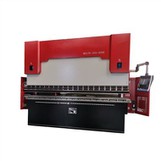
Hey there! As a supplier of Sheet Metal Press Brakes, I often get asked about how often the wear - prone parts of these machines should be replaced. It's a crucial question, and in this blog, I'm gonna break it all down for you.
Let's first understand what we mean by wear - prone parts in a sheet metal press brake. Some of the most common ones include punching heads, die sets, hydraulic seals, and guide rails. These parts are constantly under stress during the bending process, so they're bound to wear out over time.
Punching Heads and Die Sets
Punching heads and die sets are probably the most important (and most exposed) parts in a press brake. They are directly involved in the bending operation, coming into contact with the sheet metal repeatedly.
The frequency of replacement for punching heads and die sets depends on several factors. First off, the type of material you're working with matters a lot. If you're bending soft metals like aluminum, the wear on these parts will be relatively less compared to when you're working with harder metals like stainless steel. For regular mild steel applications, you can expect to replace the punching heads and die sets every 100,000 - 200,000 bends. However, if you're dealing with tougher materials, this number can drop to 50,000 - 100,000 bends.
Another factor is the thickness of the sheet metal. Thicker sheets require more force to bend, which puts more stress on the punching heads and die sets. So, if you're frequently working with thick materials, you'll need to replace these parts more often.
Hydraulic Seals
Hydraulic seals play a vital role in the operation of a CNC Hydraulic Press Brake. They prevent hydraulic fluid from leaking out and ensure that the hydraulic system functions smoothly.
The lifespan of hydraulic seals depends on the quality of the seals and the operating conditions. In a well - maintained press brake with good - quality seals, you can expect to replace them every 2 - 3 years. However, if the press brake is used in a harsh environment, with extreme temperatures or a lot of dust and debris, the seals may need to be replaced more frequently, maybe every 1 - 2 years.
Leaking hydraulic fluid is a clear sign that the seals need to be replaced. If you notice any signs of fluid leakage around the hydraulic cylinders or pipes, it's time to take action. Ignoring this issue can lead to a decrease in the performance of the press brake and potentially cause more serious damage to the hydraulic system.
Guide Rails
Guide rails are responsible for guiding the movement of the ram and ensuring accurate bending. They are subject to friction and wear as the ram moves up and down during the bending process.
The replacement frequency of guide rails also depends on the working conditions. In a normal working environment, guide rails can last for about 5 - 7 years. But if the press brake is used intensively, with a high volume of bending operations, or if the alignment is not properly maintained, the wear on the guide rails will be accelerated, and they may need to be replaced within 3 - 5 years.
Signs that the guide rails need replacement include increased play in the ram movement, inaccurate bending angles, or unusual noises during the operation. If you experience any of these issues, it's a good idea to inspect the guide rails and consider replacing them if necessary.


Other Factors Affecting Replacement Frequency
Apart from the type of parts and working conditions, the maintenance of the press brake also has a significant impact on the replacement frequency of wear - prone parts. Regular maintenance, such as lubrication, cleaning, and alignment checks, can extend the lifespan of these parts.
For example, proper lubrication of the punching heads and die sets can reduce friction and wear. Cleaning the hydraulic system regularly can prevent the accumulation of dirt and debris, which can damage the hydraulic seals. And aligning the guide rails correctly can ensure smooth movement and reduce unnecessary stress on the parts.
If you're not sure about the condition of the wear - prone parts in your press brake, it's a good idea to have a professional inspection. A trained technician can evaluate the parts, identify any signs of wear or damage, and recommend the appropriate time for replacement.
Making the Right Replacement Decisions
When it comes to replacing the wear - prone parts, it's important to use high - quality replacement parts. Using cheap, low - quality parts may save you some money in the short term, but they are likely to wear out more quickly and may even cause damage to other parts of the press brake.
As a supplier of Sheet Metal Press Brake, I can offer you a wide range of high - quality replacement parts. We understand the importance of reliable and durable parts for the smooth operation of your press brake.
Wrapping Up and Reaching Out
In conclusion, there's no one - size - fits - all answer to how often the wear - prone parts in a sheet metal press brake should be replaced. It depends on various factors such as the type of parts, the material and thickness of the sheet metal being worked on, the operating conditions, and the level of maintenance.
If you're in the market for a new CNC Steel Sheet Press Brake Machine or need advice on the replacement of wear - prone parts, feel free to reach out. We're here to help you make the best decisions for your metal - bending needs.
References
- Metalworking Handbook: Covers general information about press brake operation and maintenance.
- Industry reports on the lifespan of press brake components.