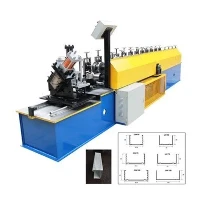
As a seasoned supplier of roll forming machines, I understand the importance of proper alignment in the roll forming process. Misalignment can lead to a host of issues, including poor product quality, increased wear and tear on the machine, and even production downtime. In this article, I'll share some practical tips on how to adjust the alignment of a roll forming machine, ensuring optimal performance and high-quality output.
Understanding the Basics of Roll Forming Machine Alignment
Before diving into the adjustment process, it's crucial to have a basic understanding of what alignment means in the context of a roll forming machine. Alignment refers to the precise positioning of the rolls in relation to each other and the incoming material. Proper alignment ensures that the material is formed into the desired shape accurately and consistently.
There are two main types of alignment in a roll forming machine: horizontal alignment and vertical alignment. Horizontal alignment ensures that the rolls are parallel to each other in the horizontal plane, while vertical alignment ensures that the rolls are at the correct height relative to each other.
Tools Required for Alignment Adjustment
To adjust the alignment of a roll forming machine, you'll need a few essential tools:
- Straightedge: A straightedge is used to check the horizontal alignment of the rolls. It's typically made of metal or plastic and should be long enough to span the width of the rolls.
- Feeler Gauges: Feeler gauges are used to measure the gap between the rolls and the material. They come in a variety of thicknesses and are essential for ensuring proper vertical alignment.
- Wrenches and Screwdrivers: You'll need a set of wrenches and screwdrivers to make the necessary adjustments to the roll positions.
- Level: A level is used to check the overall levelness of the machine. This is important because an uneven machine can cause misalignment issues.
Step-by-Step Guide to Adjusting Roll Forming Machine Alignment
Step 1: Prepare the Machine
Before making any adjustments, it's important to ensure that the machine is turned off and unplugged to prevent any accidents. Clean the rolls and the surrounding area to remove any debris or contaminants that could affect the alignment process.
Step 2: Check the Overall Levelness of the Machine
Use a level to check the levelness of the machine base. If the machine is not level, adjust the leveling feet until the machine is perfectly horizontal. This will ensure that the rolls are in the correct position relative to the ground and will help prevent misalignment.
Step 3: Check the Horizontal Alignment of the Rolls
Place a straightedge across the top of the rolls and check for any gaps. If there are gaps, the rolls are not horizontally aligned. To adjust the horizontal alignment, use the wrenches and screwdrivers to loosen the bolts that hold the rolls in place. Move the rolls until the straightedge sits flush across the top of all the rolls, indicating that they are parallel to each other. Once the alignment is correct, tighten the bolts to secure the rolls in place.
Step 4: Check the Vertical Alignment of the Rolls
Use feeler gauges to measure the gap between the rolls and the material. The gap should be consistent across all the rolls. If the gap is too large or too small, the rolls are not vertically aligned. To adjust the vertical alignment, use the wrenches and screwdrivers to adjust the height of the rolls. Raise or lower the rolls until the gap between the rolls and the material is consistent.


Step 5: Test the Machine
Once you have adjusted the alignment of the rolls, it's important to test the machine to ensure that it's working properly. Turn on the machine and feed a piece of material through the rolls. Check the formed product for any signs of misalignment, such as uneven edges or incorrect dimensions. If you notice any issues, make further adjustments to the roll alignment until the product is formed correctly.
Common Alignment Issues and Solutions
Uneven Roll Wear
Over time, the rolls in a roll forming machine can wear unevenly, causing misalignment issues. To address this problem, you can either replace the worn rolls or use a roll grinding machine to resurface the rolls. Regular maintenance and inspection of the rolls can help prevent uneven wear.
Material Thickness Variations
If the material being fed into the roll forming machine has variations in thickness, it can cause misalignment issues. To solve this problem, you can adjust the roll pressure to compensate for the thickness variations. You can also use a thickness gauge to measure the material thickness and adjust the roll positions accordingly.
Machine Vibration
Excessive machine vibration can cause the rolls to move out of alignment. To reduce machine vibration, you can check the machine's mounting bolts to ensure they are tight. You can also use vibration dampeners to absorb the vibration and prevent it from affecting the roll alignment.
Importance of Regular Maintenance and Alignment Checks
Regular maintenance and alignment checks are essential for ensuring the long-term performance and reliability of a roll forming machine. By performing regular maintenance, you can identify and address any alignment issues before they become major problems. This can help prevent production downtime, reduce maintenance costs, and improve the quality of the formed products.
In addition to regular maintenance, it's also important to train your operators on the proper use and maintenance of the roll forming machine. Operators should be aware of the importance of alignment and should be trained to perform basic alignment checks and adjustments.
Conclusion
Proper alignment is crucial for the optimal performance of a roll forming machine. By following the steps outlined in this article, you can adjust the alignment of your roll forming machine and ensure that it produces high-quality products consistently. Remember to perform regular maintenance and alignment checks to keep your machine in top condition.
If you're in the market for a roll forming machine, we offer a wide range of high-quality machines, including the C Channel Roll Forming Machine, Metal Roof Panel Machine, and Roof Sheet Roll Forming Machine. Our machines are designed to meet the highest standards of quality and performance, and we provide excellent customer support to ensure your satisfaction.
If you have any questions or would like to discuss your roll forming machine needs, please don't hesitate to contact us. We look forward to working with you to find the perfect solution for your business.
References
- Roll Forming Handbook, by the Roll Forming Association
- Industrial Machinery Maintenance Guide, by the American Society of Mechanical Engineers