

As a trusted supplier of sheet metal guillotines, I understand the critical role that blade parallelism plays in the performance and precision of these machines. In this blog post, I'll share some valuable insights on how to adjust the parallelism of the blades on a sheet metal guillotine, ensuring optimal cutting results and extending the lifespan of your equipment.
Understanding the Importance of Blade Parallelism
Before delving into the adjustment process, it's essential to grasp why blade parallelism is so crucial. When the blades of a sheet metal guillotine are properly aligned, they create a consistent cutting force across the entire length of the cut. This results in clean, straight cuts with minimal burrs and deformation, ensuring the quality of your finished products.
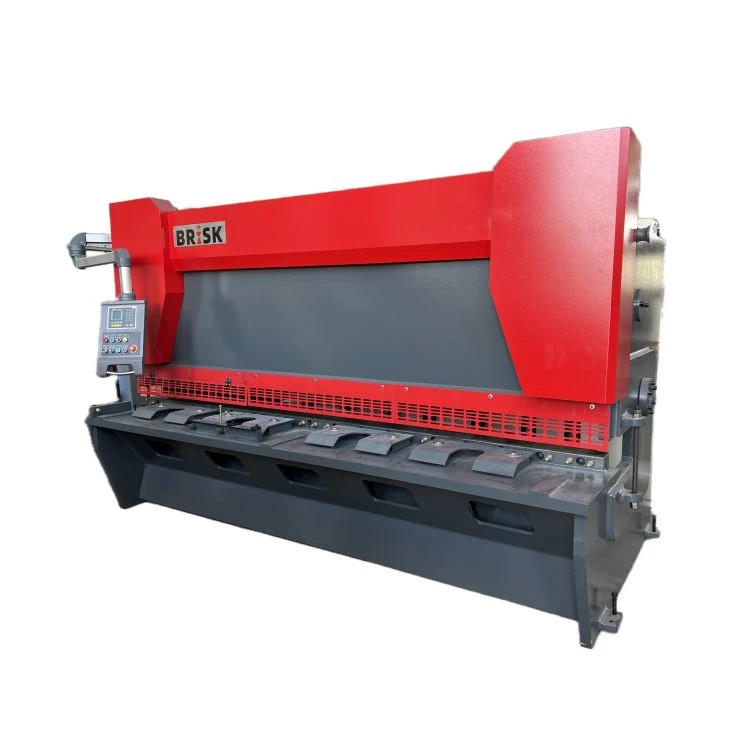

On the other hand, misaligned blades can lead to a host of problems. Uneven cutting forces can cause the material to shift during the cutting process, resulting in inaccurate cuts and wasted material. Additionally, excessive stress on one side of the blade can lead to premature wear and tear, reducing the lifespan of the blades and increasing maintenance costs.
Tools and Materials You'll Need
Before you begin adjusting the blade parallelism, gather the following tools and materials:
- Feeler gauges: These are used to measure the gap between the blades at various points along their length.
- Wrenches and sockets: You'll need these to loosen and tighten the bolts that hold the blades in place.
- Straightedge: A straightedge can be used to check the alignment of the blades visually.
- Cleaning supplies: It's a good idea to clean the blades and the machine before making any adjustments to ensure accurate measurements.
Step-by-Step Guide to Adjusting Blade Parallelism
Step 1: Prepare the Machine
- Turn off the power: Before you start working on the machine, make sure it is turned off and unplugged to prevent any accidental starts.
- Clean the blades: Use a clean cloth and a mild cleaning solution to remove any dirt, debris, or lubricant from the blades. This will ensure accurate measurements and prevent any contaminants from interfering with the adjustment process.
- Inspect the blades: Check the blades for any signs of damage or wear, such as chips, cracks, or dull edges. If the blades are damaged, they should be replaced before proceeding with the adjustment.
Step 2: Measure the Blade Gap
- Insert the feeler gauges: Place the feeler gauges between the blades at several points along their length, evenly spaced from one end to the other. Make sure the feeler gauges are inserted smoothly and without any resistance.
- Record the measurements: Use a pen and paper to record the thickness of the feeler gauges at each measurement point. This will give you a baseline for the current blade gap.
Step 3: Identify the Misalignment
- Compare the measurements: Compare the measurements taken at each point to identify any variations in the blade gap. If the measurements are consistent across the entire length of the blades, the blades are likely parallel. However, if there are significant differences in the measurements, the blades are misaligned.
- Determine the direction of the misalignment: Based on the measurements, determine whether the blades are closer together at one end or the other. This will help you determine which bolts need to be adjusted to correct the misalignment.
Step 4: Adjust the Blades
- Loosen the bolts: Use the appropriate wrenches or sockets to loosen the bolts that hold the blades in place. Be careful not to loosen the bolts too much, as this can cause the blades to shift out of position.
- Make the adjustments: Based on the direction of the misalignment, use a small amount of force to gently move the blades into the correct position. You can use a straightedge to check the alignment visually as you make the adjustments.
- Tighten the bolts: Once the blades are in the correct position, tighten the bolts securely to hold them in place. Make sure the bolts are tightened evenly to prevent any further misalignment.
Step 5: Recheck the Blade Gap
- Repeat the measurement process: After making the adjustments, repeat the process of inserting the feeler gauges and recording the measurements at several points along the length of the blades.
- Verify the parallelism: Compare the new measurements to ensure that the blade gap is consistent across the entire length of the blades. If the measurements are still not within the acceptable range, repeat the adjustment process until the desired parallelism is achieved.
Tips for Maintaining Blade Parallelism
- Regular maintenance: Perform regular maintenance on your sheet metal guillotine, including cleaning the blades, lubricating the moving parts, and checking the alignment of the blades. This will help prevent misalignment and ensure optimal performance.
- Proper operation: Follow the manufacturer's instructions for operating the sheet metal guillotine, including using the correct cutting speed, feed rate, and pressure. Improper operation can cause excessive stress on the blades and lead to misalignment.
- Quality blades: Use high-quality blades that are designed for your specific sheet metal guillotine. Inferior blades may not be as durable or accurate, which can affect the parallelism and performance of the machine.
Conclusion
Adjusting the parallelism of the blades on a sheet metal guillotine is a critical maintenance task that can significantly improve the performance and precision of your machine. By following the steps outlined in this blog post and implementing the tips for maintaining blade parallelism, you can ensure clean, straight cuts and extend the lifespan of your equipment.
If you're in the market for a new sheet metal guillotine or need assistance with blade adjustment or maintenance, we're here to help. We offer a wide range of Hydraulic Metal Guillotine Cutter, Metal Punching and Shearing Machine, and Industrial CNC Hydraulic Shearing Machine to meet your specific needs. Contact us today to learn more about our products and services and to discuss your requirements with our team of experts.
References
- Manufacturer's manual for the sheet metal guillotine
- Industry best practices for blade adjustment and maintenance


