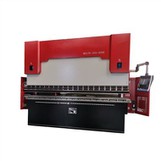
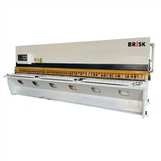
When it comes to metalworking machinery, the plate roller is an indispensable tool for shaping metal plates into cylindrical or conical forms. As a leading supplier of Metal Plate Rolling Bending Machine, I am often asked about various aspects of our equipment, one of the most common questions being the noise level during operation. In this blog post, I will delve into the details of the noise level of a plate roller, what factors can influence it, and how we address these concerns to provide a better working environment for our customers.
Understanding the Noise Level of a Plate Roller
The noise level of a plate roller during operation is typically measured in decibels (dB). A normal conversation usually occurs at around 60 dB, while a lawnmower can produce noise levels of up to 90 dB. The noise generated by a plate roller can vary significantly depending on several factors, including the machine's design, power, the type of metal being processed, and the operation speed.
On average, a standard plate roller can produce noise levels ranging from 70 dB to 90 dB. Smaller, less powerful plate rollers may operate at the lower end of this range, while larger, heavy-duty machines designed for industrial applications may reach the higher end. At these levels, long - term exposure without proper hearing protection can cause hearing damage. It is crucial for operators and those working in the vicinity of the plate roller to be aware of these noise levels and take appropriate safety measures.

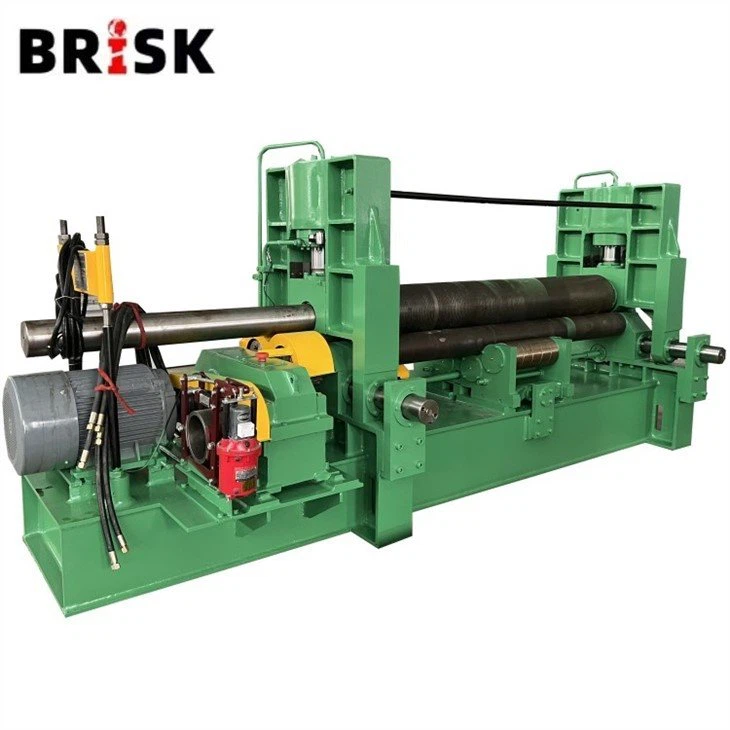
Factors Influencing the Noise Level
1. Machine Design
The design of the plate roller plays a significant role in determining its noise level. Well - designed machines with precision - engineered components tend to produce less noise. For example, if the rolls are accurately machined and balanced, there will be less vibration and thus less noise during operation. Additionally, the use of high - quality bearings and gears can also reduce noise. Our Metal Plate Rolling Bending Machine is engineered with advanced design principles, using state - of - the - art manufacturing techniques to minimize noise generation.
2. Power and Capacity
Generally, more powerful plate rollers with higher capacities generate more noise. This is because they require larger motors and stronger mechanical components to handle thicker and wider metal plates. The increased power output leads to more intense mechanical vibrations, which are then translated into higher noise levels. However, we have developed innovative technologies to mitigate this issue in our high - capacity plate rollers, ensuring that the noise levels are still within acceptable limits.
3. Type of Metal
Different types of metals have different physical properties, which can affect the noise level during the rolling process. Harder metals, such as stainless steel, require more force to bend, resulting in higher noise levels compared to softer metals like aluminum. The surface finish of the metal can also play a role. Rough - surfaced metals may cause more friction between the rolls and the metal, leading to increased noise.
4. Operation Speed
The speed at which the plate roller operates is another important factor. Faster operation speeds generally result in higher noise levels. This is because the mechanical components of the machine are moving more rapidly, creating greater vibrations and impact forces. Operators should choose an appropriate operation speed based on the requirements of the job to balance productivity and noise levels.
Measuring and Monitoring the Noise Level
Accurately measuring the noise level of a plate roller is essential for ensuring a safe working environment. A sound level meter can be used to measure the noise at different points around the machine. The measurements should be taken during normal operation conditions, with the machine processing the type of metal and at the speed that is typically used.
Regular monitoring of the noise level is also important. Over time, the components of the plate roller may wear out, which can lead to an increase in noise levels. By monitoring the noise regularly, operators can detect any abnormal changes and take appropriate maintenance actions, such as replacing worn - out bearings or adjusting the alignment of the rolls.
Reducing the Noise Level
As a responsible supplier, we are committed to providing plate rollers with low noise levels. Here are some of the measures we take to reduce noise:
1. Sound - Absorbing Materials
We use sound - absorbing materials in the construction of our plate rollers. These materials can absorb and dampen the vibrations generated during operation, reducing the amount of noise that is transmitted into the surrounding environment. For example, we may line the interior of the machine housing with acoustic insulation materials.
2. Vibration Isolation
Proper vibration isolation is crucial for reducing noise. We design our plate rollers with vibration - isolation mounts that can effectively isolate the machine from the floor and other structures. This helps to prevent the transmission of vibrations, which are a major source of noise.
3. Maintenance and Lubrication
Regular maintenance and proper lubrication of the plate roller can also help to reduce noise. Worn - out components can cause increased friction and vibration, leading to higher noise levels. By keeping the machine well - maintained and properly lubricated, we can ensure smooth operation and minimize noise.
Importance of Low Noise Levels in the Workplace
Low noise levels in the workplace are not only beneficial for the health and well - being of the operators but also for the overall productivity of the business. High noise levels can cause stress, fatigue, and hearing damage to the workers, which can lead to decreased work efficiency and an increased risk of accidents.
In addition, many countries and regions have strict regulations regarding workplace noise levels. By providing plate rollers with low noise levels, we help our customers comply with these regulations and avoid potential fines and legal issues.
Conclusion
The noise level of a plate roller during operation is influenced by multiple factors, including machine design, power, the type of metal, and operation speed. As a leading supplier of Metal Plate Rolling Bending Machine, we take proactive measures to reduce the noise levels of our equipment through the use of sound - absorbing materials, vibration isolation, and proper maintenance.
If you are in the market for a plate roller and are concerned about noise levels, we are here to help. Our team of experts can provide you with detailed information about the noise characteristics of our products and guide you in choosing the most suitable plate roller for your specific needs. Contact us today to start a conversation about your metal - rolling requirements, and let us work together to find the perfect solution for your business.
References
- American Society of Mechanical Engineers (ASME). Standards for Metalworking Machinery.
- International Organization for Standardization (ISO). Noise Emission Standards for Industrial Machinery.