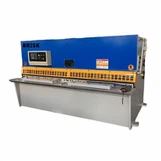
As a seasoned supplier in the sheet metal roll forming industry, I've witnessed firsthand the transformative power of well-programmed control systems in roll forming machines. These systems are the backbone of efficient and precise sheet metal processing, enabling manufacturers to produce high-quality products with remarkable consistency. In this blog post, I'll share my insights on how to program the control system in a sheet metal roll forming machine, drawing on my years of experience and expertise.
Understanding the Basics of Roll Forming
Before delving into the programming aspects, it's essential to have a solid understanding of the roll forming process. Roll forming is a continuous bending operation in which a long strip of metal is passed through a series of rolls to gradually shape it into a desired cross-sectional profile. The process is highly efficient and can produce complex shapes with high precision.
The control system in a roll forming machine plays a crucial role in ensuring the accuracy and consistency of the formed parts. It manages various parameters such as speed, length, and profile shape, allowing operators to achieve the desired results.
Selecting the Right Control System
The first step in programming a roll forming machine's control system is to select the appropriate hardware and software. There are several types of control systems available, each with its own features and capabilities. Some of the most common types include:
- PLC (Programmable Logic Controller): PLCs are widely used in industrial automation and are known for their reliability and flexibility. They can be programmed to control various aspects of the roll forming process, including speed, length, and profile shape.
- HMI (Human-Machine Interface): HMIs provide a user-friendly interface for operators to interact with the control system. They allow operators to monitor and adjust the machine's parameters, view production data, and troubleshoot issues.
- Servo Drives: Servo drives are used to control the speed and position of the rolls. They provide precise control and can be programmed to achieve the desired forming speed and accuracy.
When selecting a control system, it's important to consider the specific requirements of your roll forming machine. Factors such as the complexity of the profile, the production volume, and the level of automation required will all influence your choice.
Programming the Control System
Once you've selected the appropriate control system, the next step is to program it to meet the specific requirements of your roll forming machine. The programming process typically involves the following steps:
- Define the Profile: The first step is to define the cross-sectional profile of the formed part. This can be done using a CAD (Computer-Aided Design) software or by manually entering the dimensions into the control system.
- Set the Parameters: Once the profile is defined, you need to set the various parameters of the roll forming process, such as the speed, length, and number of rolls. These parameters will depend on the specific requirements of the formed part and the capabilities of the roll forming machine.
- Program the Sequence: The next step is to program the sequence of operations for the roll forming machine. This includes the order in which the rolls will be activated, the speed at which they will rotate, and the length of the formed part.
- Test and Debug: After programming the control system, it's important to test and debug it to ensure that it is working correctly. This involves running the machine with a test piece and checking the quality of the formed part. If any issues are detected, the control system can be adjusted and retested until the desired results are achieved.
Tips for Programming the Control System
Here are some tips to help you program the control system in your roll forming machine more effectively:
- Understand the Machine: Before programming the control system, it's important to have a thorough understanding of the roll forming machine and its capabilities. This includes understanding the functions of the various components, such as the rolls, motors, and sensors.
- Use a Structured Approach: When programming the control system, it's important to use a structured approach. This involves breaking down the programming task into smaller, more manageable steps and testing each step as you go.
- Document Your Program: It's important to document your program thoroughly, including the purpose of each section, the variables used, and the logic behind the program. This will make it easier to understand and maintain the program in the future.
- Test and Validate: Before implementing the program on the production line, it's important to test and validate it thoroughly. This involves running the program with a test piece and checking the quality of the formed part. If any issues are detected, the program can be adjusted and retested until the desired results are achieved.
Conclusion
Programming the control system in a sheet metal roll forming machine is a complex but rewarding task. By following the steps outlined in this blog post and using the tips provided, you can ensure that your roll forming machine is programmed to produce high-quality products with remarkable consistency.
If you're interested in learning more about sheet metal roll forming machines or have any questions about programming the control system, please don't hesitate to contact us. We're a leading supplier of Roof Sheet Roll Forming Machine, Roofing Sheet Roll Forming Machine, and Metal Roof Panel Machine, and we're always happy to help.


References
- "Roll Forming Handbook" by Thomas G. Schuler
- "Industrial Automation: A Practical Guide" by John Doe
- "PLC Programming: A Beginner's Guide" by Jane Smith