Selecting the right blade for a sheet metal guillotine is a crucial decision that can significantly impact the efficiency, quality, and cost - effectiveness of your metal - working operations. As a trusted sheet metal guillotine supplier, I understand the importance of this choice and am here to guide you through the process.
Understanding the Basics of Sheet Metal Guillotines
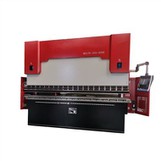
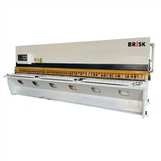
Before delving into blade selection, it's essential to have a basic understanding of sheet metal guillotines. A sheet metal guillotine, also known as a Guillotine Shearing Machine, is a machine used to cut sheet metal to size. It operates by applying a shearing force to the metal, which separates it along a straight line. There are different types of guillotines, including manual, hydraulic, and CNC - controlled ones like the Industrial CNC Hydraulic Shearing Machine. The type of guillotine you use can influence the blade requirements.
Factors to Consider When Selecting a Blade
1. Material of the Blade
The material of the blade is one of the most important factors. Different materials offer different levels of hardness, toughness, and wear resistance.
- High - Speed Steel (HSS): HSS blades are known for their excellent cutting performance and ability to maintain sharpness at high temperatures. They are suitable for cutting a wide range of metals, including stainless steel, aluminum, and mild steel. However, they are relatively more expensive compared to some other blade materials.
- Carbon Steel: Carbon steel blades are cost - effective and are commonly used for cutting softer metals such as mild steel and aluminum. They are easy to sharpen but may not be as durable as HSS blades, especially when cutting harder materials.
- Tungsten Carbide: Tungsten carbide blades are extremely hard and wear - resistant. They are ideal for cutting hard and abrasive metals, such as high - strength steel and titanium. However, they are brittle and can be more prone to chipping if not used correctly.
2. Blade Geometry
The geometry of the blade, including the cutting edge angle, rake angle, and clearance angle, plays a vital role in the cutting process.
- Cutting Edge Angle: A smaller cutting edge angle results in a sharper blade, which is better for cutting thin and soft materials. For thicker and harder materials, a larger cutting edge angle is required to prevent the blade from chipping.
- Rake Angle: The rake angle affects the cutting force and the quality of the cut. A positive rake angle reduces the cutting force but may cause the blade to wear more quickly. A negative rake angle increases the cutting force but provides better blade durability.
- Clearance Angle: The clearance angle prevents the blade from rubbing against the workpiece during the cutting process. A proper clearance angle ensures smooth cutting and reduces blade wear.
3. Blade Size
The size of the blade must match the capacity of your sheet metal guillotine. The length of the blade should be appropriate for the maximum width of the sheet metal you plan to cut. Additionally, the thickness of the blade should be compatible with the guillotine's cutting mechanism. Using a blade that is too long or too thick can put excessive stress on the guillotine and lead to premature wear and damage.


4. Workpiece Material
The type of metal you are cutting is a key consideration. Different metals have different properties, such as hardness, ductility, and thickness, which require different blade characteristics.
- Soft Metals (e.g., Aluminum): For soft metals, a sharp blade with a small cutting edge angle and a positive rake angle is usually sufficient. The blade should be able to cut through the metal cleanly without causing excessive deformation.
- Hard Metals (e.g., Stainless Steel): Hard metals require a more durable blade, such as one made of HSS or tungsten carbide. A larger cutting edge angle and a negative rake angle may be necessary to withstand the higher cutting forces.
5. Cutting Volume and Frequency
If you have a high - volume cutting operation, you need a blade that can withstand continuous use without significant wear. In such cases, a more expensive but durable blade material like tungsten carbide may be a better investment. On the other hand, if your cutting volume is low, a carbon steel blade may be sufficient.
Other Considerations
1. Blade Coating
Some blades come with special coatings, such as titanium nitride (TiN) or diamond - like carbon (DLC). These coatings can improve the blade's wear resistance, reduce friction, and extend its lifespan. However, coated blades are generally more expensive than uncoated ones.
2. Compatibility with the Guillotine
The blade must be compatible with your specific sheet metal guillotine. This includes factors such as the blade mounting system, the cutting speed, and the cutting force requirements of the guillotine. Using an incompatible blade can lead to poor cutting performance, increased wear on the guillotine, and even safety hazards.
Maintenance and Care of Blades
Proper maintenance and care of your blades are essential to ensure their longevity and optimal performance.
- Regular Sharpening: Regularly sharpening the blade can maintain its cutting performance. The frequency of sharpening depends on the cutting volume and the type of material being cut.
- Cleaning: After each use, clean the blade to remove any metal chips, debris, and lubricants. This helps prevent corrosion and reduces the risk of damage to the blade.
- Storage: Store the blades in a dry and clean environment to prevent rust and other forms of damage. Use blade protectors to prevent the cutting edges from being damaged during storage.
Cost - Benefit Analysis
When selecting a blade, it's important to conduct a cost - benefit analysis. While more expensive blades may offer better performance and durability, they may not always be the most cost - effective option for your specific application. Consider the long - term costs, including the cost of blade replacement, sharpening, and the impact on the overall productivity of your operations.
Conclusion
Selecting the right blade for a sheet metal guillotine is a complex process that requires careful consideration of multiple factors. As a sheet metal guillotine supplier, we are committed to helping you make the best choice for your needs. Whether you are looking for a blade for a Guillotine Shearing Machine, a Metal Punching and Shearing Machine, or an Industrial CNC Hydraulic Shearing Machine, we can provide you with the necessary expertise and high - quality blades.
If you are interested in purchasing the right blades for your sheet metal guillotine or have any questions about blade selection, please feel free to contact us for a detailed discussion and procurement negotiation. We look forward to working with you to improve the efficiency and quality of your metal - working operations.
References
- ASM Handbook, Volume 16: Machining, ASM International
- Metals Handbook Desk Edition, 3rd Edition, ASM International
- Machinery's Handbook, 31st Edition, Industrial Press Inc.