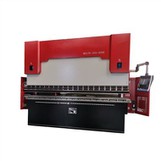
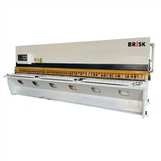
When it comes to the world of sheet metal fabrication, one of the most fundamental and essential tools is the sheet metal guillotine. As a trusted supplier of high - quality sheet metal guillotines, I am often asked about the cutting capacity of these machines. In this blog post, I will delve into the details of what constitutes the cutting capacity of a typical sheet metal guillotine and how it impacts your metalworking operations.
Understanding the Basics of a Sheet Metal Guillotine
A sheet metal guillotine, also known as a shearing machine, is a device used to cut sheet metal into various shapes and sizes. It operates on a simple principle: a sharp blade moves downwards onto a stationary blade, exerting a shearing force that cuts through the metal. These machines come in different types, including manual, mechanical, and hydraulic, each with its own set of advantages and capabilities.
Factors Affecting Cutting Capacity
The cutting capacity of a sheet metal guillotine is determined by several key factors. Understanding these factors is crucial for selecting the right machine for your specific needs.
1. Thickness of the Metal
The most obvious factor influencing cutting capacity is the thickness of the sheet metal. Different guillotines are designed to handle different thicknesses. For instance, a light - duty manual guillotine might be suitable for cutting thin sheets of up to 1 - 2 mm, while a heavy - duty hydraulic guillotine can cut through much thicker materials, sometimes up to 20 mm or more. When choosing a guillotine, it is essential to know the maximum thickness of the metal you will be working with. Our Sheet Metal Guillotine Shearing Machine comes in a variety of models, each with a specific thickness capacity to meet your requirements.
2. Width of the Cut
The width of the cut refers to the maximum width of the sheet metal that the guillotine can handle. This is an important consideration, especially if you are working with large sheets. Some guillotines have a limited cutting width, while others can handle wider sheets. For industrial applications where large - scale production is involved, a guillotine with a wider cutting width is often preferred. Our Industrial CNC Hydraulic Shearing Machine is designed to offer a generous cutting width, allowing for efficient processing of large sheets.
3. Material Type
The type of metal being cut also affects the cutting capacity. Different metals have different levels of hardness and ductility. For example, aluminum is relatively soft and easy to cut compared to stainless steel or hardened steel. A guillotine that can easily cut through a certain thickness of aluminum may struggle with the same thickness of stainless steel. When specifying the cutting capacity of a guillotine, manufacturers usually provide guidelines based on common metals such as mild steel. If you plan to work with other types of metals, it is important to consult with the manufacturer to ensure that the machine can handle the specific material.
4. Blade Quality
The quality of the blades is another critical factor. High - quality blades are sharper, more durable, and can maintain their cutting edge for longer periods. Dull blades can reduce the cutting capacity of a guillotine, as they require more force to cut through the metal and may not produce clean cuts. Regular blade maintenance, including sharpening and replacement when necessary, is essential to ensure optimal cutting performance. Our Hydraulic Metal Guillotine Cutter is equipped with high - quality blades that are designed to provide consistent and efficient cutting.
Measuring Cutting Capacity
Manufacturers typically specify the cutting capacity of a sheet metal guillotine in terms of the maximum thickness and width of the metal it can cut. For example, a guillotine might be rated as having a cutting capacity of 6 mm thickness and 2500 mm width. This means that it can cut sheets of up to 6 mm thick and 2500 mm wide. However, it is important to note that these ratings are often based on ideal conditions, such as using the correct blade, proper lubrication, and cutting mild steel.


Importance of Matching Cutting Capacity to Your Needs
Choosing a sheet metal guillotine with the right cutting capacity is crucial for several reasons. Firstly, if the cutting capacity is too low, the machine will struggle to cut through the metal, resulting in poor - quality cuts, excessive wear on the blades, and potential damage to the machine. On the other hand, if the cutting capacity is much higher than what you actually need, you will end up paying more for a machine that has features and capabilities you don't require.
Applications Based on Cutting Capacity
The cutting capacity of a guillotine determines its suitability for different applications.
Light - Duty Applications
For small - scale workshops, hobbyists, or applications that involve cutting thin sheets of metal, a light - duty guillotine with a lower cutting capacity is sufficient. These machines are often more affordable, compact, and easier to operate. They can be used for tasks such as cutting small parts for electronic devices, jewelry making, or simple metal crafts.
Medium - Duty Applications
Medium - duty guillotines are suitable for general - purpose metalworking in small to medium - sized factories. They can handle a wider range of thicknesses and are often used for cutting parts for machinery, automotive components, and construction materials.
Heavy - Duty Applications
Heavy - duty guillotines are designed for large - scale industrial production. They can cut through thick sheets of metal with high precision and efficiency. These machines are commonly used in industries such as shipbuilding, steel fabrication, and heavy machinery manufacturing.
How Our Sheet Metal Guillotines Stand Out
As a supplier of sheet metal guillotines, we take pride in offering a wide range of machines with different cutting capacities to meet the diverse needs of our customers. Our machines are built with high - quality materials and advanced technology to ensure reliable performance and long - term durability. We also provide comprehensive after - sales support, including blade maintenance, technical assistance, and spare parts availability.
Contact Us for Your Sheet Metal Guillotine Needs
If you are in the market for a sheet metal guillotine, we invite you to contact us. Our team of experts can help you determine the right cutting capacity for your specific applications and recommend the most suitable machine from our product range. Whether you need a light - duty guillotine for a small workshop or a heavy - duty machine for large - scale industrial production, we have the solution for you. Reach out to us to start the procurement process and take your sheet metal fabrication to the next level.
References
- ASM Handbook Committee. (2000). ASM Handbook: Volume 16: Machining. ASM International.
- Kalpakjian, S., & Schmid, S. R. (2009). Manufacturing Engineering and Technology (5th ed.). Pearson Prentice Hall.