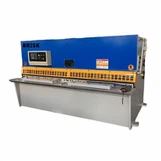
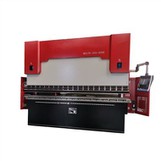
As a seasoned supplier of Plate Bending Machines, I've witnessed firsthand the evolution of these essential industrial tools. Over time, technology has advanced by leaps and bounds, and older plate bending machines can often benefit from strategic upgrades to enhance their performance, efficiency, and overall functionality. In this blog post, I'll explore the available upgrade options for an old plate bending machine, providing valuable insights for businesses looking to extend the lifespan and capabilities of their equipment.
1. Control System Upgrade
One of the most significant advancements in plate bending machine technology is the development of sophisticated control systems. Older machines may have basic or outdated control panels that lack the precision and flexibility required for modern manufacturing processes. Upgrading to a state-of-the-art control system can revolutionize the operation of your plate bending machine.
Modern control systems offer features such as programmable logic controllers (PLCs), touchscreen interfaces, and advanced software algorithms. These systems allow operators to precisely control the bending process, adjust parameters in real-time, and store bending programs for future use. With a PLC-based control system, you can achieve greater accuracy, repeatability, and productivity, reducing scrap rates and improving overall quality.
For example, some advanced control systems can automatically calculate the optimal bending sequence based on the material type, thickness, and desired bend angle. This not only saves time but also ensures consistent results across multiple parts. Additionally, touchscreen interfaces make it easier for operators to interact with the machine, reducing the learning curve and minimizing the risk of errors.


2. Hydraulic System Upgrade
The hydraulic system is the heart of a plate bending machine, responsible for providing the force required to bend the metal plates. Over time, hydraulic components can wear out, leading to decreased performance, increased energy consumption, and potential leaks. Upgrading the hydraulic system can significantly improve the machine's efficiency and reliability.
One option is to replace the old hydraulic pumps with more efficient models. Newer pumps are designed to deliver higher pressure and flow rates while consuming less energy. This can result in faster bending cycles and reduced operating costs. Additionally, upgrading the hydraulic valves and cylinders can improve the precision and responsiveness of the bending process.
Another important aspect of the hydraulic system upgrade is the implementation of a closed-loop control system. This system continuously monitors the pressure, flow, and position of the hydraulic components and adjusts them in real-time to maintain optimal performance. By using a closed-loop control system, you can achieve more accurate bending results and reduce the risk of overloading the machine.
3. Roller Upgrade
The rollers are the key components of a plate bending machine that come into direct contact with the metal plates. Over time, the rollers can wear out, causing uneven bending, surface damage, and reduced accuracy. Upgrading the rollers can improve the quality of the bending process and extend the lifespan of the machine.
One option is to replace the old rollers with high-quality, hardened steel rollers. Hardened steel rollers are more resistant to wear and tear, ensuring a longer service life and better performance. Additionally, the surface finish of the rollers can be improved to reduce friction and prevent scratching of the metal plates.
Another option is to upgrade to a 4 Roller Plate Bending Machine or a Four-roller Plate Bending Machine. These machines offer several advantages over traditional three-roller machines, including better pre-bending capabilities, improved roundness, and the ability to handle thicker and wider plates.
4. Safety System Upgrade
Safety is always a top priority in any industrial environment. Older plate bending machines may lack the latest safety features, putting operators at risk of injury. Upgrading the safety system can help protect your employees and ensure compliance with industry standards.
One option is to install a light curtain or laser safety scanner. These devices create a protective barrier around the machine, detecting any intrusion and immediately stopping the operation. This can prevent accidents caused by operators accidentally entering the danger zone.
Another important safety feature is the emergency stop button. Make sure that the emergency stop button is easily accessible and clearly marked. Additionally, consider installing a safety interlock system that prevents the machine from operating if the safety guards are not properly closed.
5. Automation and Integration
In today's competitive manufacturing landscape, automation and integration are becoming increasingly important. Upgrading your old plate bending machine to include automation features can improve productivity, reduce labor costs, and enhance overall efficiency.
One option is to add a robotic loading and unloading system. This system can automatically load the metal plates onto the machine and unload the finished parts, eliminating the need for manual labor. Additionally, robotic systems can work continuously, reducing downtime and increasing throughput.
Another option is to integrate the plate bending machine with other manufacturing processes, such as cutting, welding, and assembly. This can create a seamless production line, improving the overall efficiency of the manufacturing process. For example, you can use a computer numerical control (CNC) system to coordinate the operation of multiple machines, ensuring that the parts are processed in the correct sequence and with the highest level of accuracy.
Conclusion
Upgrading an old plate bending machine can be a cost-effective way to improve its performance, efficiency, and safety. By investing in the right upgrades, you can extend the lifespan of your machine, increase productivity, and stay competitive in the market. Whether you choose to upgrade the control system, hydraulic system, rollers, safety system, or add automation and integration features, there are many options available to suit your specific needs and budget.
If you're interested in learning more about the available upgrade options for your plate bending machine or would like to discuss a custom upgrade solution, please don't hesitate to contact us. Our team of experts is always ready to help you find the best solution for your business.
References
- "Modern Plate Bending Machine Technology," Industrial Machinery Journal, Vol. XX, Issue XX, 20XX.
- "Hydraulic System Upgrades for Plate Bending Machines," Hydraulics and Pneumatics Magazine, Vol. XX, Issue XX, 20XX.
- "Roller Design and Performance in Plate Bending Machines," Metal Forming Technology Review, Vol. XX, Issue XX, 20XX.
- "Safety Standards and Best Practices for Plate Bending Machines," Occupational Safety and Health Administration (OSHA) Guidelines, 20XX.